Cleaning Guides · 6 min read · 30 March 2026
Carpet Cleaning Methods Explained: Steam, Dry & Shampoo Compared
'Steam' cleaning isn't actually steam, dry cleaning isn't quite dry, and shampooing belongs in a museum. An honest comparison of the four main methods.
By the Nims Casa editorial team — written from professional cleaning experience and checked against our editorial standards.
Carpet cleaning quotes throw around terms like steam, dry, encapsulation and shampoo as if everyone knows the difference. Most people don't, and it matters: "steam cleaning" isn't steam, "dry cleaning" isn't dry, and the wrong method can shrink wool pile, leave a sticky residue that re-soils within weeks, or fail to shift the stain you called someone out for.
This guide covers how each of the four main professional methods works, what they cost versus DIY, how long a room stays out of action, and which suits your situation — a wool stair runner, a rental carpet, or a family room battered daily by kids and pets. We'll also cover the equipment worth hiring, common mistakes, and when it's worth paying a professional.
Hot Water Extraction: How Professional Steam Cleaning Really Works
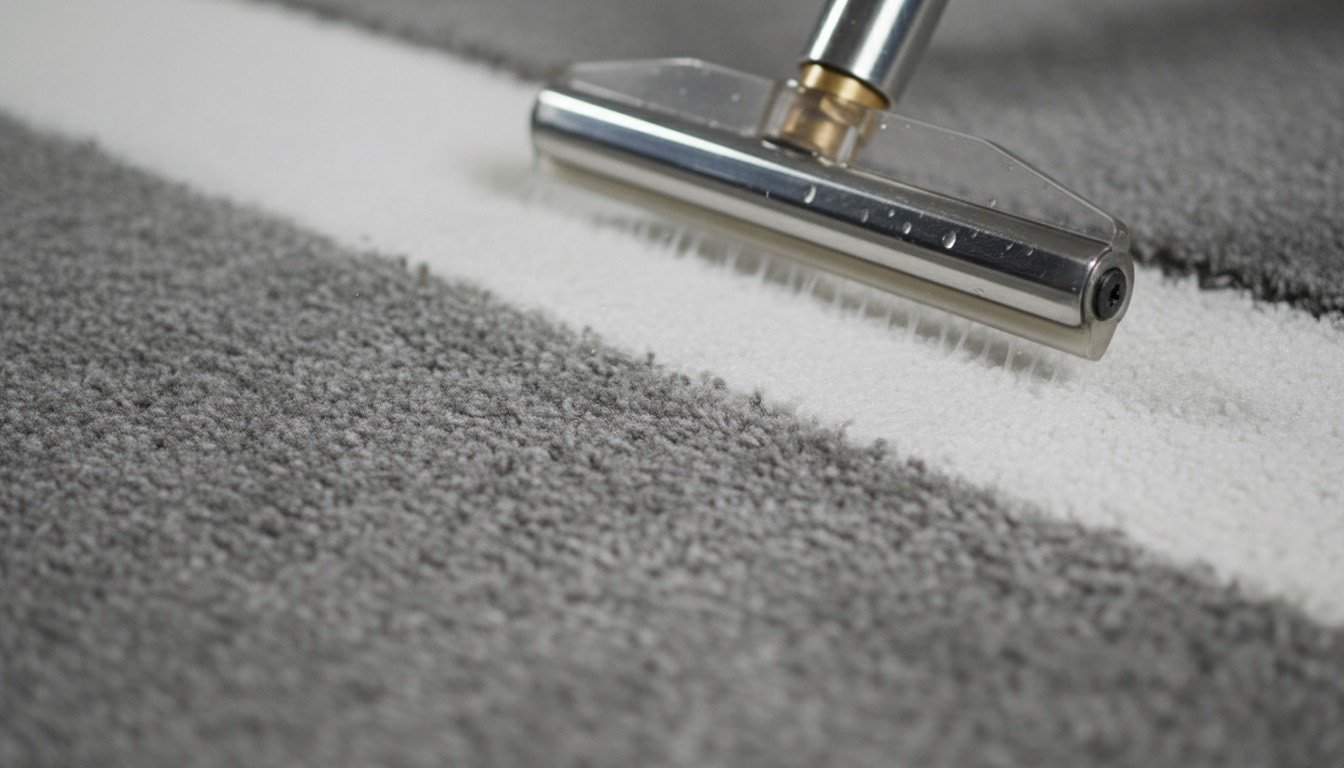
Hot water extraction is the industry gold standard and the method most manufacturers specify to keep a warranty valid. Despite the "steam cleaning" nickname, no actual steam touches the carpet — real steam would scald synthetic fibres and shrink wool. The process runs like this:
- •Pre-vacuum thoroughly to lift loose grit that would otherwise turn to mud once the pile gets wet.
- •Apply a pre-spray to break down grease, protein stains and ingrained soil before the main pass.
- •Inject heated water (60–90°C) and cleaning solution deep into the pile under pressure.
- •Extract the moisture straight back out with a powerful vacuum, pulling dissolved dirt and allergens with it.
- •Groom the pile in one direction afterwards to encourage even drying and avoid watermarking.
Best for deep soiling, ground-in stains, allergy control, and any carpet that hasn't been cleaned in over a year. Professional equipment leaves carpets damp, not soaked, so drying takes 2–6 hours; rental machines push that past 24 hours. Expect £25–£45 per room, or £2–£4 per square metre, in 2026 — see our carpet cleaning cost guide for a full breakdown.
Low-Moisture, Dry and Encapsulation Cleaning Compared
"Low-moisture cleaning" covers two related techniques people often lump together as "dry cleaning", even though nothing is bone dry.
Compound (dry powder) cleaning works an absorbent compound deep into the pile with a counter-rotating brush, leaves it to bind with soil, then vacuums it out. Carpets are walkable within the hour, which is why it's standard for offices that can't close. It's also safer on moisture-sensitive natural fibres like sisal and seagrass, which can shrink or mildew if soaked. Our carpet types guide covers which materials tolerate which treatments.
Encapsulation uses a polymer solution instead: it surrounds soil particles and crystallises as it dries, and the crystals lift away in ordinary vacuuming over the next day or two. It's fast — dry within the hour — and popular for commercial carpets, but lacks the power to shift heavy soiling, so it's usually alternated with a full hot water extraction clean every 12–18 months.
Both cost roughly the same as hot water extraction per room, but neither replaces a deep clean once a carpet has gone a year without one — see how often carpets need professional cleaning for a schedule by household type.
Shampooing: Why It's Mostly Obsolete
The rotary-brush-and-foam method most people still picture is largely a relic. A rotating brush works foamy detergent into the pile, meant to be vacuumed out once dry. The problem is what stays behind: shampoo residue is sticky, and sticky fibres attract dirt faster, so a shampooed carpet can look worse within weeks. Over-wetting the backing is also common, risking browning — a yellow-brown discolouration from the jute backing wicking up as the carpet dries.
If a company quotes for shampooing a domestic carpet in 2026, treat it as a warning sign, not a bargain; the trade largely moved on decades ago. It still has a narrow use as a first pass on heavily soiled commercial carpets before extraction, but never as the only step. For a closer side-by-side, read our comparison of steam cleaning versus carpet shampooing.
DIY Carpet Cleaning: Machines, Tools and What They Cost
Renting or buying equipment can save money for a small flat or top-up cleans between professional deep cleans.
- •Rental hot water extraction machine: £30–£50 a day plus £8–£15 for solution. Weaker extraction means drying stretches to 24–48 hours.
- •Own a compact upright cleaner: £120–£300, worthwhile for households with pets or young children — our best carpet cleaner machines round-up compares current models.
- •Cleaning solution: £6–£12 a litre for a proper extraction detergent. Avoid washing-up liquid, which foams excessively and leaves residue.
- •Stain pre-treatment spray: £4–£8, useful for protein stains and pet accidents before the main clean.
- •Carpet rake: £8–£15, used afterwards to lift flattened pile and speed drying.
- •Dehumidifier or fan hire: £15–£25 a day, useful in winter when drying can stretch past 24 hours.
Budget roughly £40–£70 total for a DIY clean of an average living room, including hire and solution — not far off professional pricing once you count your own time. If pet accidents are the actual problem, our guide to removing pet urine smell from carpet covers steps a standard clean won't fix.
Common Carpet Cleaning Mistakes That Damage Fibres
Most carpet damage blamed on cleaning comes down to a handful of repeated mistakes.
- •Over-wetting: soaking the backing causes browning, mould in the underlay, and delamination in glued carpets.
- •Skipping the pre-vacuum: cleaning over loose grit grinds it into fibres like sandpaper, dulling the pile over time.
- •Wrong solution on wool: wool is alkali-sensitive and can be discoloured or felted by detergents made for synthetics — confirm a solution is wool-safe first.
- •Walking on damp carpet in outdoor shoes: reintroduces the dirt you just paid to remove.
- •Skipping a test patch: check colourfastness on an inconspicuous area first, especially with natural fibres.
- •Rubbing instead of blotting: this spreads the stain — blot from the outside in with a clean cloth instead.
When to Call a Professional vs Clean It Yourself
DIY and low-moisture methods suit routine maintenance and quick refreshes. Call a professional when the carpet hasn't been cleaned in over 12 months, since soil embeds deeper than a rental machine reaches; when a large wine, pet or ink stain has already set; when the carpet is wool, silk or another natural fibre where the wrong solution risks permanent damage; when cleaning ahead of a house sale or end of tenancy; or when anyone in the household has allergies, since professional extraction removes far more allergen than a rental unit manages. For existing damage, our guide to fixing dents, burns, snags and small stains covers what cleaning won't solve, and for wine specifically, our red wine stain removal guide has the method that works.
Frequently asked questions
**How often should carpets be professionally cleaned?** Every 12–18 months for an average UK household, which keeps most manufacturer warranties valid and stops soil working down to the backing. Homes with pets, young children or a smoker typically need it every 6–12 months instead.
**Is hot water extraction safe for wool carpets?** Yes, with a wool-safe, low-pH solution and controlled moisture — most professionals use this method on wool without issue. The real risk comes from rental machines or high-alkaline shampoos, which can cause shrinkage or a felted texture.
**How long does carpet cleaning take to dry?** Professional hot water extraction dries in 2–6 hours with reasonable ventilation; DIY rental machines usually take 24–48 hours. Low-moisture and encapsulation cleaning dry within about an hour.
**Can I walk on a freshly cleaned carpet?** Avoid it until fully dry, and never in outdoor shoes — grit on damp fibres leaves new marks. Clean socks or the paper protectors most cleaners leave down are safer.
**Does carpet cleaning remove pet odours completely?** Surface cleaning lifts odour sitting in the pile, but urine soaked through to the underlay needs a targeted enzyme treatment to break down the source, not just a standard clean.
**What's the difference between "steam cleaning" and hot water extraction?** They're the same process — "steam cleaning" is industry slang, since real steam would damage most carpet fibres. Genuine steam equipment exists but is used mainly on hard floors and grout.
Found this useful?
There's plenty more — hundreds of guides and honestly-tested product reviews for every corner of your home.
Browse All Guides