Electrical · 6 min read · 23 May 2026
Daylight vs Soft White Bulbs: Differences, Costs and What Works in an Old UK Home
Same fitting, same lumens, wildly different rooms. Here is how warm and cool LEDs behave on lime plaster, old dimmers and pre-1970s lighting circuits.
By the Nims Casa editorial team — written from professional cleaning experience and checked against our editorial standards.
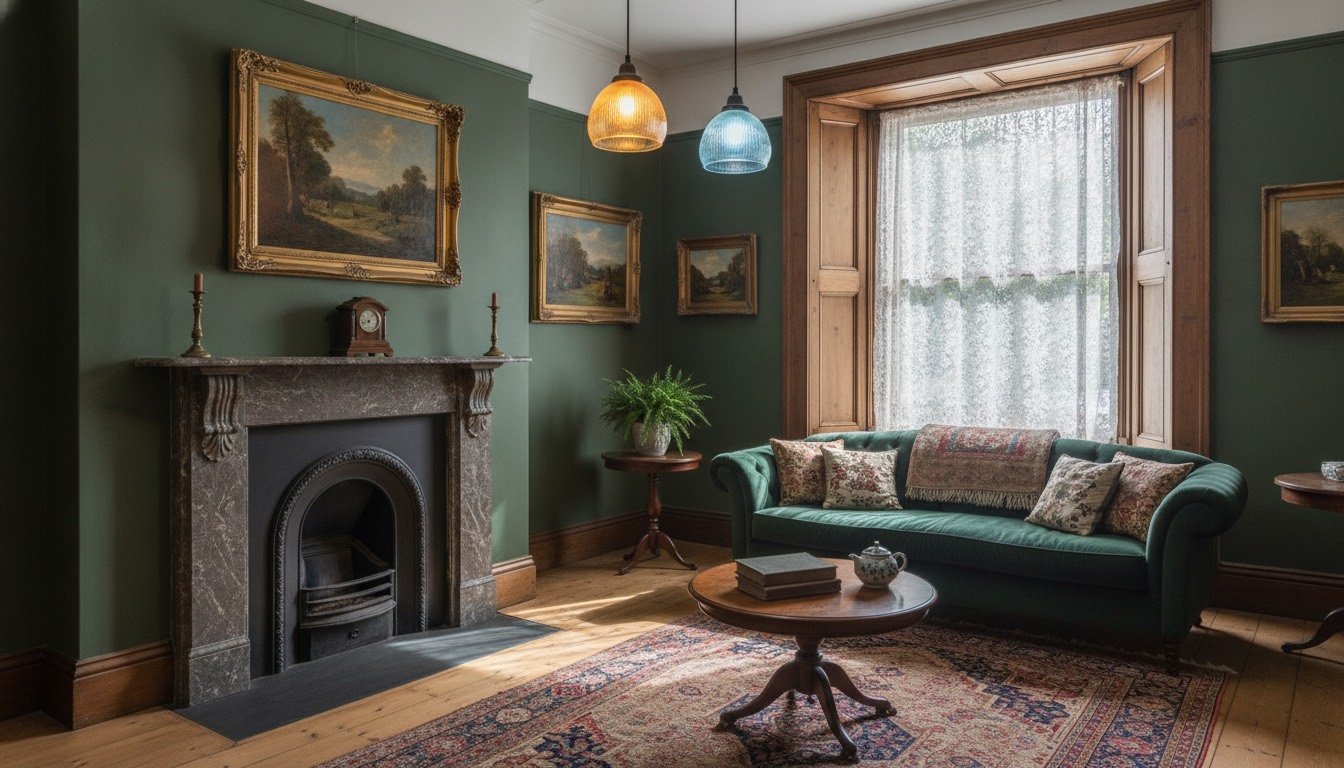
You can spot a 1900s terrace fitted with 6500K bulbs from the pavement: the light through the sash windows is blue-grey, like a corner shop after hours. Put 2700K lamps in the same house and the pitch pine, chalky heritage paint and tiled hearth come back to life. Nothing about the wiring changed. Only the colour temperature did.
The trade says warm white and cool daylight; the packaging says soft white and daylight. The choice matters more in a pre-war house than a new-build, because old rooms are full of surfaces chosen under gaslight or early tungsten, and the circuits behind the ceiling rose impose limits nobody prints on the box.
Side by side: what the numbers on the box mean
Ignore watts: on an LED they tell you running cost, not brightness. Lumens give brightness, kelvin gives colour, CRI (Ra) tells you how honestly colour renders.
- •Colour temperature: soft white is 2700K, sometimes 3000K. Daylight is 5000K to 6500K. Cool white sits at 4000K, the middle ground most people actually want in a kitchen.
- •Brightness: identical if the lumens match. 470 lm replaces a 40W, 806 lm a 60W, 1521 lm a 100W. Daylight only feels brighter because the eye reads cool light as more intense.
- •Efficacy: daylight LEDs run 100 to 120 lm/W, soft white opal 90 to 110, filament 70 to 100. An 806 lm daylight lamp draws 6.5W against 7W to 8.5W warm.
- •Colour rendering: budget daylight bulbs are usually Ra 80. Good filament and dim-to-warm lamps reach Ra 90 to 97. Below Ra 80, deep greens and reds flatten out badly.
- •Price: basic opal LED £2 to £4 either colour, dimmable £5 to £8, high-CRI filament or dim-to-warm £9 to £15, smart bulbs £8 to £20.
- •Feel: soft white is forgiving and low-glare; daylight is clinical, shows every crack in the plaster, and suits close detail work.
Performance in a period room: lime plaster, dark timber and north light
Old houses are colour traps. Bare lime plaster reads faintly pink, original pine reads orange, and pigment-heavy matt paints are formulated to shift with the light. Push 6500K at a chalky dark green and it goes grey; the depth you paid for vanishes after dark. That is kelvin and CRI combined, worth reading with our guide to choosing a paint colour before you blame the decorator.
Glare behaves differently too. Victorian ground-floor ceilings run 2.6m to 3m, so a bare bulb sits high and in view from most of the room, and cool light at that height is unpleasant. Soft white, shaded, split across three or four sources is the fix: an argument for layering the lighting properly more than for any one bulb.
The honest exception is task light. A north-facing kitchen with a deep sash reveal loses daylight to the wall thickness, and what it gets is cool; matching that at 4000K under the units reads as natural. 6500K in a bedroom does not.
What each costs to run over ten years
At roughly 27p per kWh and three hours a day, an 806 lm bulb costs about £1.90 a year in daylight (6.5W) and £2.10 in soft white opal (7W): over a decade, £19 against £21. A decorative filament at 8.5W lands near £25.
Now add bulbs. Three hours a day for ten years is 10,950 hours, so a 15,000-hour lamp survives and a cheap 10,000-hour one needs replacing once. Ten-year totals per lamp: about £24 basic daylight, £26 basic soft white, £40 high-CRI dim-to-warm. Across 25 lamps in a three-bed terrace, colour temperature is worth roughly £35 a decade.
Running cost is not the deciding factor, and anyone claiming daylight bulbs cut your bill is selling something. In a period house the money goes on dimmers, fittings and, if the wiring is original, the electrician. Budget with our electrician cost guide.
Installation: dimmers, ceiling roses and pre-1970s circuits
Dimming is where daylight bulbs quietly fail: colour temperature is fixed, so a dimmed 6500K lamp just gets greyer, never warmer. Dim-to-warm soft white drops from 2700K towards 2000K, which is what people mean when they say they miss the old bulbs. The checks that matter:
- •Old rotary dimmers are leading-edge, rated for filament loads with a 40W minimum. Four 6W LEDs will not meet that, so you get buzz and drop-out. Fit a trailing-edge LED dimmer rated from around 10W, and check why LED lights flicker before blaming the bulbs.
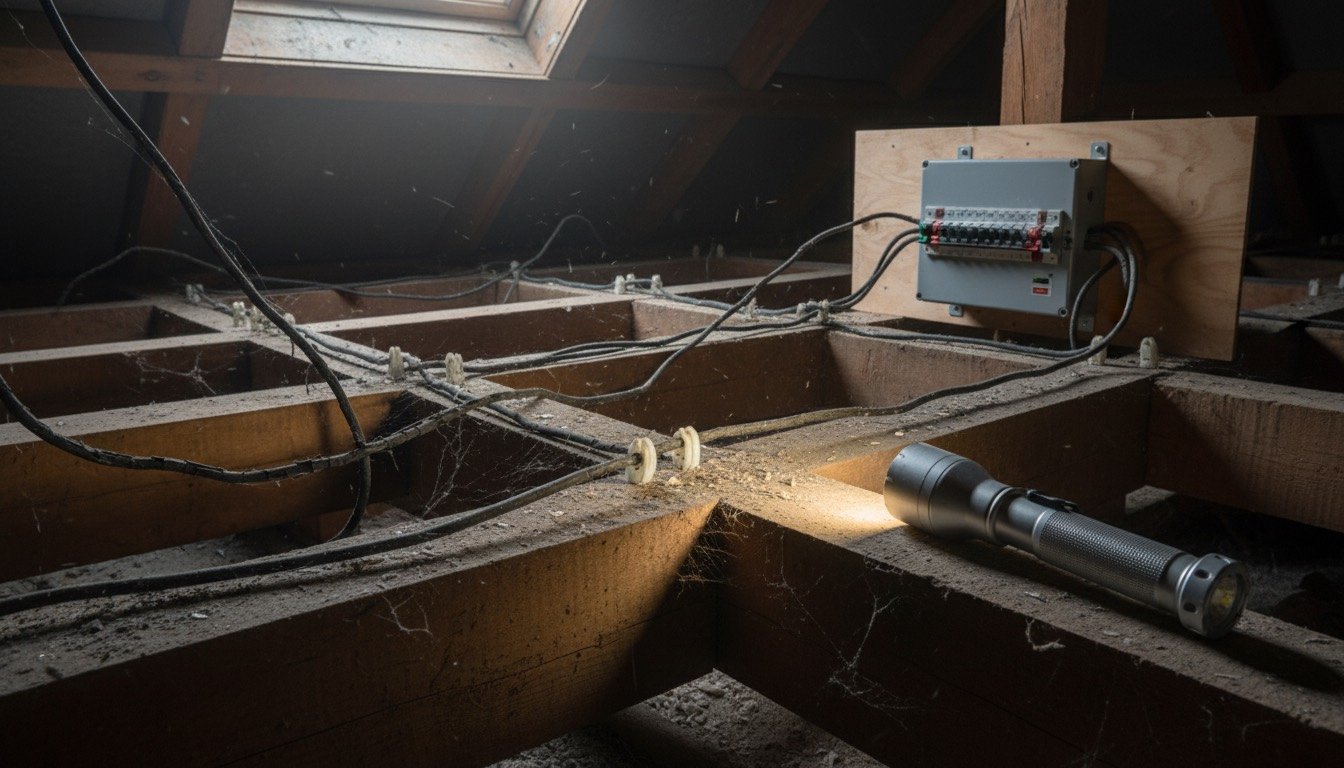
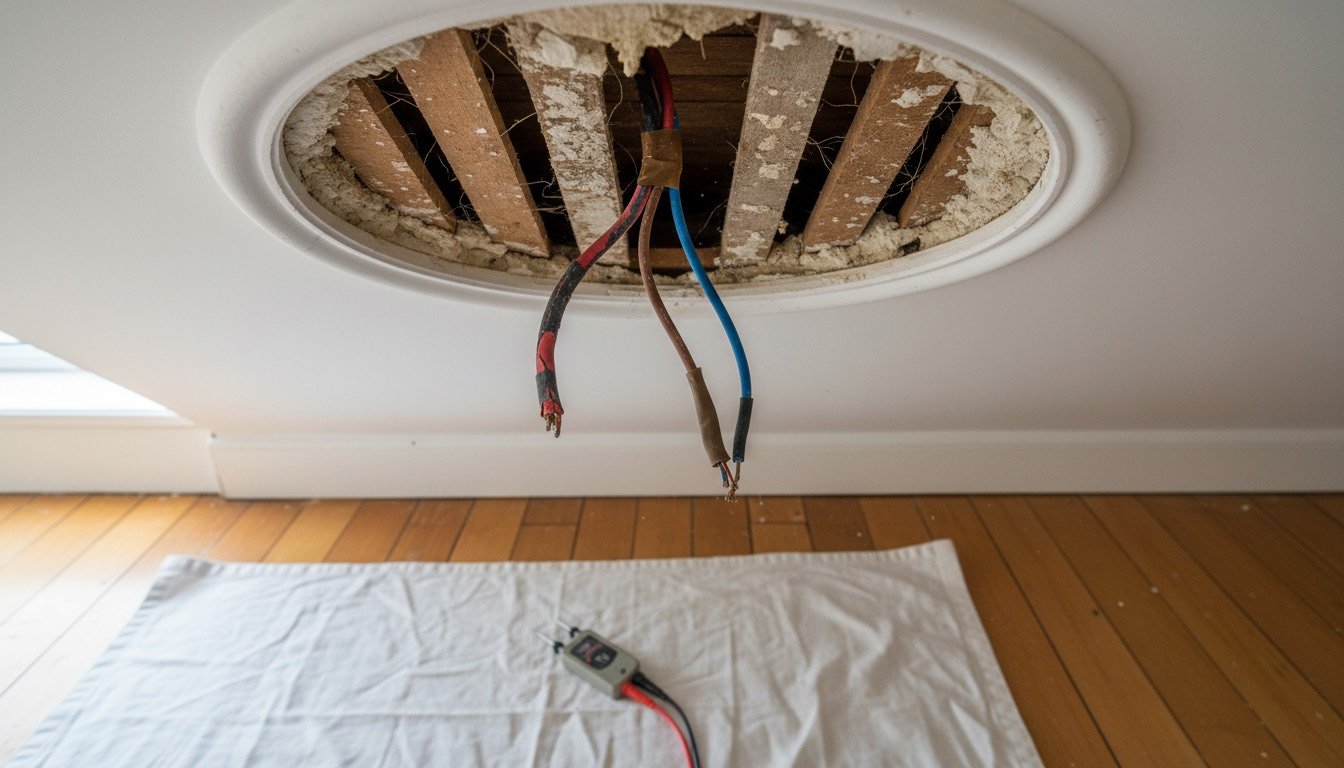
- •Pre-1970s lighting circuits often have no earth at the rose or switch, which rules out metal fittings and metal switch plates until the circuit is rewired. Use double-insulated (Class II) fittings only. Perished rubber or fabric-covered cable means a rewire, not a bulb upgrade.
- •Lath and plaster will not carry a heavy pendant or ceiling fan on the rose alone. Fans need fixing to a joist or noggin, and the ceiling must be sound first: see repairing old plaster walls.
- •Downlights are a poor fit: 70mm holes through lime plaster and lath wreck the ceiling, breach the fire separation between floors and are near-irreversible.
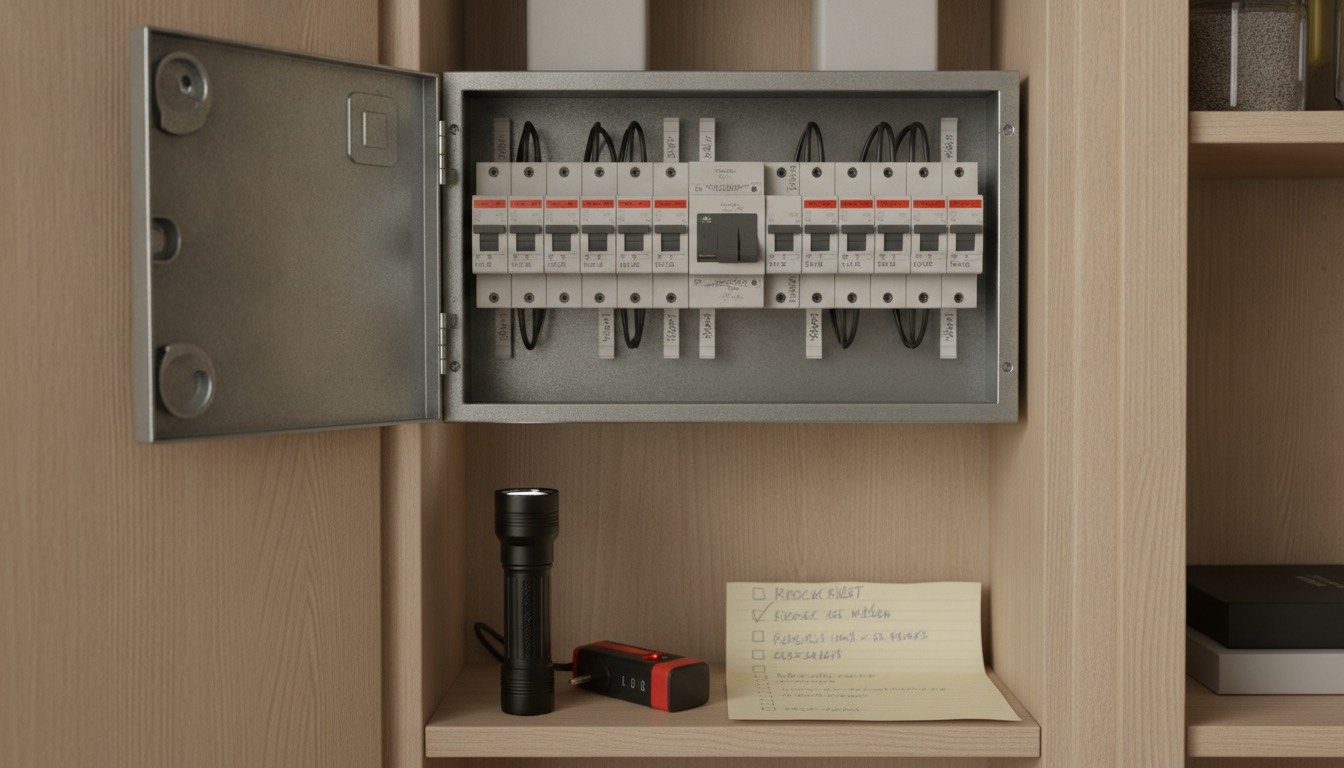
- •Legal boundaries: in England and Wales, swapping a fitting on an existing circuit is not notifiable under Part P, but a new circuit, consumer unit change or rewire is, and needs a registered competent person (NICEIC, NAPIT, ELECSA) or building control. Scotland has its own Building Standards. Listed buildings need consent for chasing.
Maintenance: why bulbs die early in period fittings
LED drivers hate trapped heat, and old glass shades and brass gallery fittings were built to vent tungsten heat that modern lamps no longer produce. An enclosed period fitting can halve the life of a lamp not marked 'suitable for enclosed luminaires'. Pay the extra pound.
Match every lamp on a multi-light fitting to the same kelvin and brand batch, because 2700K next to 3000K is obvious and irritating. And if a rose or switch feels warm, browns at the terminals or smells hot, that is not a bulb problem: it belongs with the electrical repairs you should never DIY.
Who each one suits, room by room
- •Soft white 2700K: living rooms, dining rooms, bedrooms, hallways, stairwells, any exposed bulb or original fitting, anywhere with heritage paint or bare timber. Ra 90+ and dim-to-warm if the budget stretches.
- •Cool white 4000K: kitchen worktops, utility rooms, bathroom mirrors, home offices. Clean without going blue.
- •Daylight 5000K to 6500K: garages, workshops, lofts, craft benches, sheds, and older eyes doing fine detail work. Task lighting, on its own switch.
- •Avoid daylight in bedrooms, rooms used mainly after 8pm, and front rooms visible from the street in a conservation area, where cool light through original glass looks conspicuously wrong.
The verdict
In a period UK house, soft white wins the house and daylight wins the workbench. Fit 2700K everywhere people relax, 4000K over worktops and mirrors, and 5000K to 6500K only for task areas on their own switch. Spend the extra on colour rendering and a trailing-edge dimmer, not on an efficiency gap worth £2 a decade.
One caveat overrides all of it. If the circuit is original, unearthed or shows cloth or rubber insulation, bulb choice is the least of your problems. Get it tested before spending anything on lamps: see common problems in 100-year-old houses.
Found this useful?
There's plenty more — hundreds of guides and honestly-tested product reviews for every corner of your home.
Browse All Guides