DIY & Maintenance · 6 min read · 23 April 2026
Double Pane vs Triple Pane Windows: Double or Triple Glazing for UK Homes?
Triple glazing is sold hard in the UK and only earns its money in certain houses. Here is what the specs, the sums and the building regulations actually say.
By the Nims Casa editorial team — written from professional cleaning experience and checked against our editorial standards.
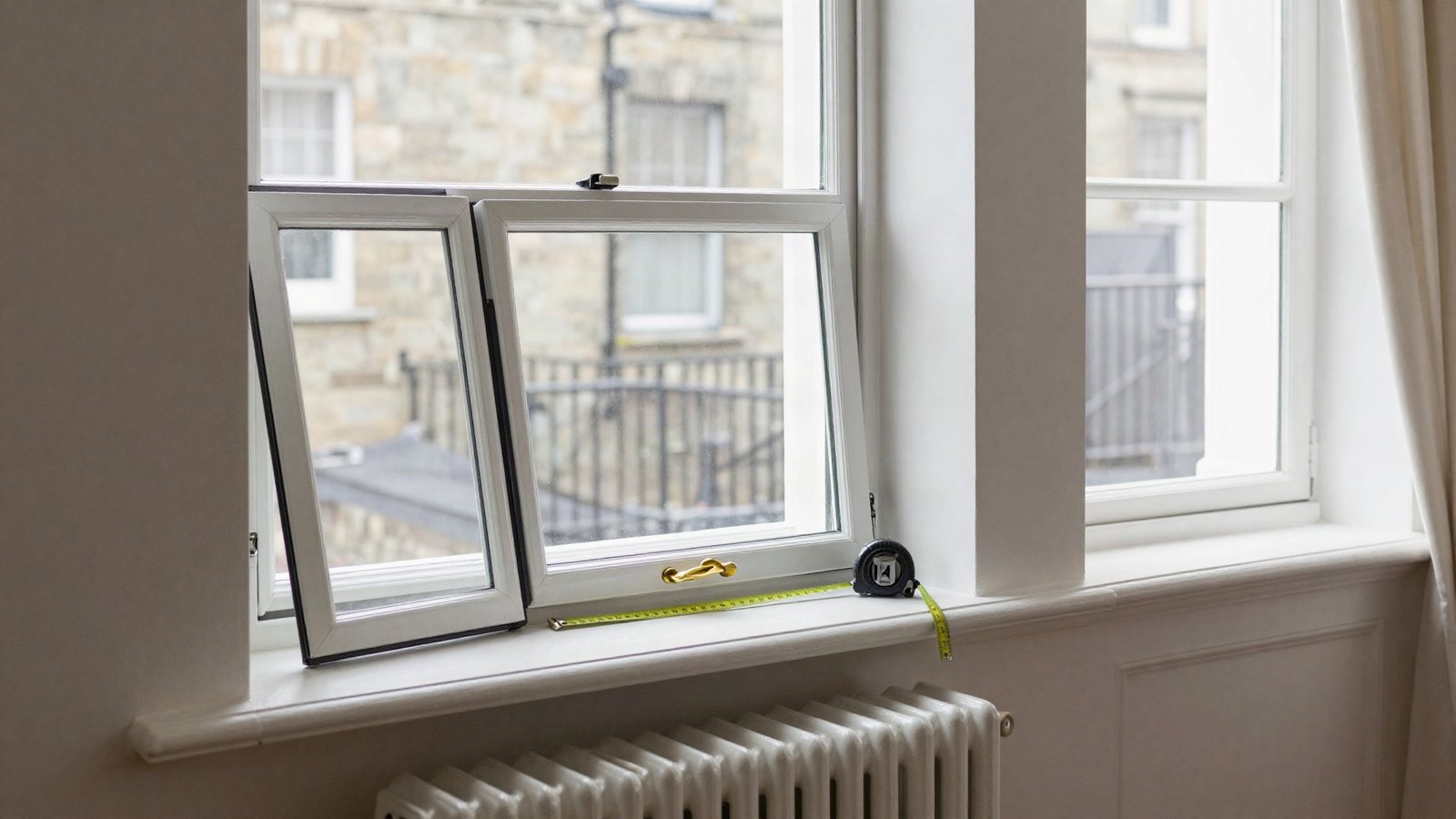
Ask ten installers whether to go triple and you get ten answers, most shaped by what is in the warehouse. The honest version is duller: single to double glazing is transformative; double to triple is a refinement — worthwhile in some houses, money burnt in others.
The UK trade says double and triple glazing rather than double pane and triple pane, but the question is identical: two sheets of glass with one insulating gap, or three sheets with two? Here is the specification, the arithmetic and the regulations.
The specification difference, side by side
Both are sealed units: panes bonded to a spacer bar, argon-filled cavity, sealed edge. Every difference below follows from the third pane.
- •Build-up: a good double is 4mm glass / 16mm argon cavity / 4mm low-emissivity glass, about 24mm overall. A triple is typically 4-12-4-12-4 with two low-E coatings, 36 to 44mm.
- •Centre-pane U-value: 1.1 to 1.2 W/m²K for a quality double, 0.5 to 0.7 for a triple. Lower is better.
- •Whole-window U-value, the figure Building Control cares about: 1.2 to 1.4 for uPVC double, 0.8 to 1.0 for uPVC triple. Frames drag the number up, which is why glass-only figures flatter triple.
- •Weight: 20 to 25 kg per m² of glass for double, 30 to 37 kg for triple. A 1.5m x 1.5m triple sash hangs close to 80kg on its hinges.
- •Solar gain (g-value): around 0.60 for double, 0.45 to 0.52 for triple — triple keeps winter sunshine out as well as heat in.
- •Frame depth: 60 to 70mm systems take a double happily; most triples want 70mm or more, which matters in the shallow reveals of a Victorian terrace.
Performance: heat, noise and condensation
On heat loss triple wins outright, by about 0.4 W/m²K across the whole window. That is real but modest, and it only shows on the bill once walls, loft and floor have stopped being the dominant leaks. In an uninsulated solid-wall terrace, a third pane patches the smallest hole in the bucket. Work through a home energy efficiency checklist first.
Noise is where triple is oversold. Acoustic performance comes from asymmetric pane thicknesses and a wide cavity, not pane count. A triple with three matched 4mm panes manages 33 to 35 dB Rw; an acoustic double using 6.8mm laminated glass, a 16mm cavity and a 4mm inner pane hits 36 to 39 dB for less.
Condensation cuts both ways. A triple's inner pane sits two or three degrees warmer, so internal misting is far less likely — useful if you are fighting damp and mould. The outer pane stays cold, though, and external condensation on clear autumn mornings is a routine triple-glazing complaint that installers rarely warn you about.
What each costs, and the ten-year sums
Take a three-bedroom semi with nine windows and a back door. uPVC double lands around £4,800 to £6,500 supplied and fitted; triple runs £5,900 to £8,200. The premium is £1,200 to £1,600, most of it glass rather than labour — our breakdown of window replacement costs splits that out.
Example one, replacing tired 1990s units in that semi: triple saves about 0.4 W/m²K across 14m² of glass, worth £20 to £40 a year at 2026 gas prices. Against a £1,400 premium that is 35 years to break even, on units with a 20 to 25 year life. On energy alone it does not pay.
Example two, the same house after cavity and loft insulation, heated by an air source heat pump at 40°C flow: the windows are now the weakest element, the pump can be sized smaller, and rooms stop feeling cold at the glass.
Example three, a new build or extension: frames, fitting and scaffolding are paid for anyway, so triple often adds only £80 to £150 per opening — an easy yes.
Installation and the UK rules you cannot skip
Replacement windows are controlled work. In England and Wales, Approved Document L requires a whole-window U-value of 1.4 W/m²K or better, or Window Energy Rating band B — a competent double-glazed unit clears that comfortably, so triple is never needed simply to comply. Since June 2022 Approved Document F has also required that replacing windows must not worsen ventilation, meaning trickle vents of around 8,000mm² equivalent area in habitable rooms and 4,000mm² in kitchens, utilities and bathrooms, even where the old windows had none.
Sign-off matters as much as the glass. A FENSA or CERTASS registered installer self-certifies under the Competent Person Scheme and issues the certificate your solicitor wants at sale; use an unregistered fitter and you must apply to local authority Building Control, usually £200 to £400. Add Approved Document K safety glazing below 800mm in windows and 1500mm in doors and side panels, plus Approved Document B escape openings of at least 0.33m² in first-floor bedrooms and loft conversions.
Two more traps. Listed buildings need consent, and conservation areas often carry an Article 4 direction removing permitted development rights on the principal elevation; uPVC triple is then a non-starter and restoring the original timber windows is the realistic route. Landlords must also meet a minimum EPC E under MEES, with tighter ratings coming.
Maintenance and repair over twenty years
Sealed units fail the same way whatever the pane count: the perimeter seal degrades, argon escapes at roughly one per cent a year, and the unit mists internally. Expect 20 to 25 years, less on south-facing elevations. The difference is repair cost — a misted double unit is typically £70 to £120 supplied and fitted, the triple equivalent £120 to £220.
Heavy triple sashes work their hardware harder, so insist on friction stays rated for the sash weight and a guarantee covering hinges, not just glass. Neither type escapes the annual jobs: rod the frame drainage slots each autumn, grease the hinges, check the external mastic. Most faults blamed on glazing are perimeter sealing — the same failure behind a draughty window.
Who each option genuinely suits
- •Double glazing: replacing single glazing or failed 1990s units, walls and loft still poorly insulated, shallow reveals, finite budget, or noise as the main complaint — spend the difference on laminated acoustic glass.
- •Triple glazing: new build or extension, deep retrofit, heat pumps at low flow temperatures, large north-facing glazing that always feels cold, rooms where internal condensation persists.
- •Neither yet: units still sound, the real problem being perimeter draughts, failed mastic or worn hardware. Sensible draught-proofing costs a fraction of new windows.
The verdict
For the average UK retrofit — solid or partially filled walls, existing double glazing, gas boiler — double glazing at 1.2 W/m²K is the right buy, and the triple premium returns far more spent on loft insulation, cavity fill or draught-proofing. For new build, extensions and heat-pump homes whose fabric is already good, triple is a sound investment and often barely dearer.
Installation decides performance either way: a triple fitted with foam-filled gaps and a squirt of mastic will underperform a well-installed double, so read the window installation mistakes that undo good glass. Get three itemised quotes stating whole-window U-value, WER band, trickle vent area and FENSA or CERTASS number, then compare those rather than the discount.
Found this useful?
There's plenty more — hundreds of guides and honestly-tested product reviews for every corner of your home.
Browse All Guides