Plumbing · 6 min read · 24 June 2026
Drain Snake vs Hydro Jetting: Differences, Costs and Which Suits a UK Home
Two drainage firms can look at the same blocked pipe and quote you ninety pounds or three hundred. The difference is usually rods versus jetting, and in an older house, picking wrong can cost you a drain.
By the Nims Casa editorial team — written from professional cleaning experience and checked against our editorial standards.
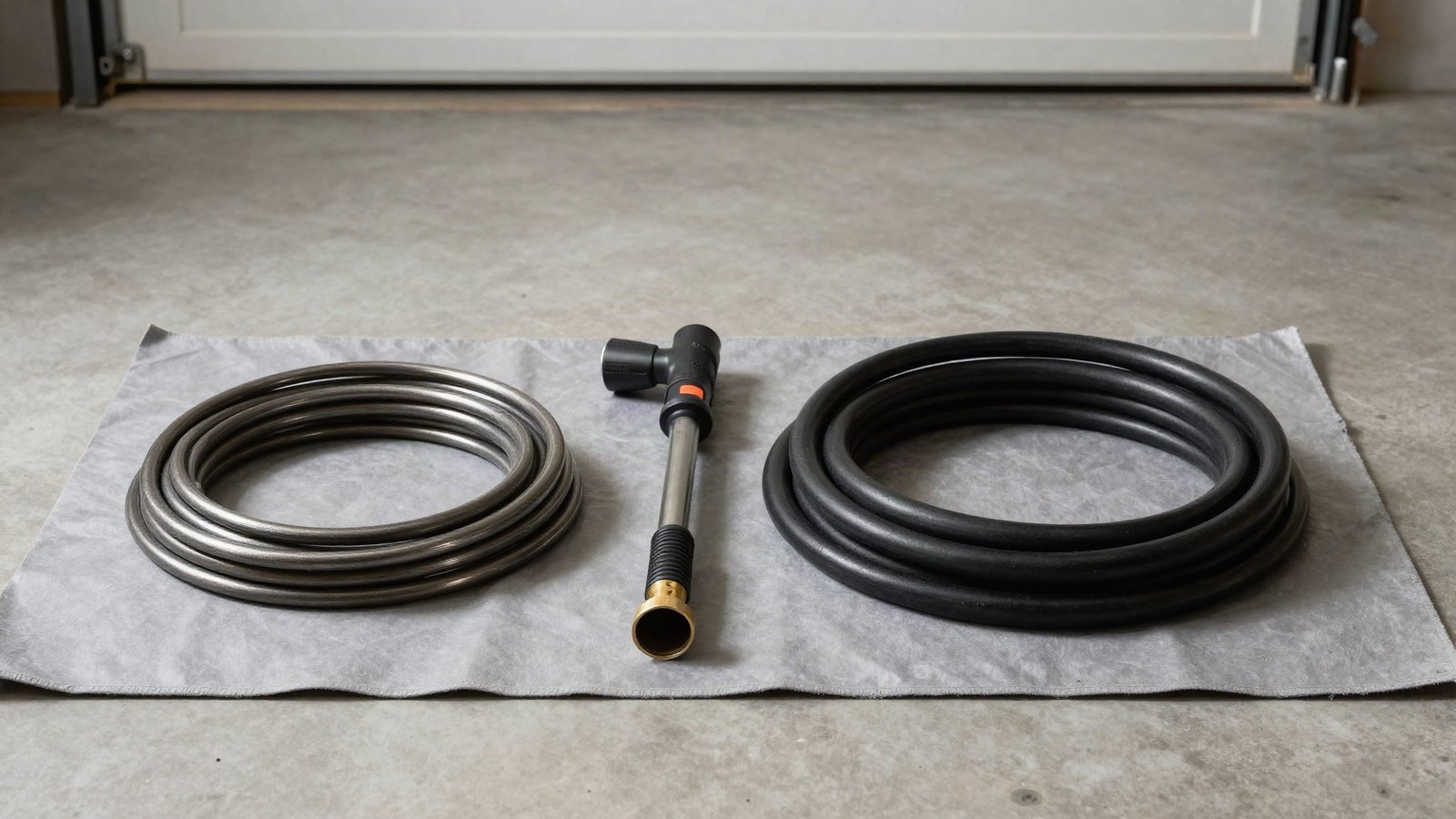
Both clear blockages. Neither does the same job, costs the same, or carries the same risk on a pre-war property. A cable machine works the obstruction mechanically; a jetter scours the pipe wall with water at pressures that would strip paint off a gatepost. One is a repair, the other a bore-hole through the problem.
The complication in Britain is our housing stock: salt-glazed clay in three-foot lengths, pitch fibre from the post-war estates, lead traps under Victorian basins, an interceptor chamber at the boundary. None of it behaves like the plastic pipework a jetting nozzle was designed around.
The two methods, side by side
Strip away the sales talk and it is mechanical force versus hydraulic force.
- •How it works - rods and snakes push a corkscrew, plunger or cutting head through the obstruction. Jetting fires water at 200-275 bar (3,000-4,000 psi) at 15-25 litres a minute through rear-facing jets that drag the hose up the pipe and scour the bore.
- •Kit and cost - a universal rod set is £25-£40 at Screwfix, a 7.5m hand auger £12-£25, an electric drum machine £150-£350 to buy or £45-£70 a day from HSS. A van-mounted jetter costs £8,000-£25,000, which is why nobody jets their own drain.
- •What it removes - cables punch through soft blockages and hook out rag, wipes and hair. Jetting takes the pipe back to bare bore: fat, soap scale, silt, cement slurry, fine root hair.
- •Sizes and timings - hand augers suit 32-40mm sink waste, rods and 10-13mm cables 110mm soil runs, jetting nozzles 40mm to 225mm. Rodding a gully takes 20-45 minutes; a jetting visit 60-120.
- •Risk to old pipework - with rods, a snapped joint or a rod head lost in the trap. With jetting, a blown-out clay joint or delaminated pitch fibre, which is far more expensive.
Performance: what each actually shifts
Grease is where the two part company. A cable bores a 25-30mm channel through a 100mm pipe lined with cold fat. The water runs, you feel you have won, and it re-blocks in six to ten weeks. Jetting emulsifies the fat and flushes it away, which is why commercial kitchens are jetted on contract. If your kitchen keeps failing at the same point despite our guide to unblocking a sink before you call anyone, the fat is still in there.
Roots go the other way more often than people expect: a jetter shears off the hair, but a cable with a root blade cuts the woody stems jetting washes past. Silt and detergent scale are jetting territory; solid objects are cable territory, because you can hook and retrieve rather than push further downstream. When a pipe is displaced or collapsed neither works, and any firm that keeps jetting it is billing you for nothing.
The old-house problem: clay, pitch fibre and interceptor traps
Victorian and Edwardian drains are salt-glazed clay in short lengths with mortar or tarred hemp joints, so there is a joint every 900mm or so and a century of ground movement has opened a fair proportion of them. Full-pressure jetting at a perished joint washes the remaining mortar out and can push the spigot clean out of the socket.
Pitch fibre is worse. Laid on estates from the early 1950s to the mid-1970s, it is compressed wood fibre bound in coal tar pitch, and it blisters, delaminates and goes oval with age. Jetting it at 250 bar can strip the bore off the wall and turn a partial blockage into a collapse: £3,000-£6,000 to replace a 12-metre run. If your house is that vintage, insist on a CCTV survey first.
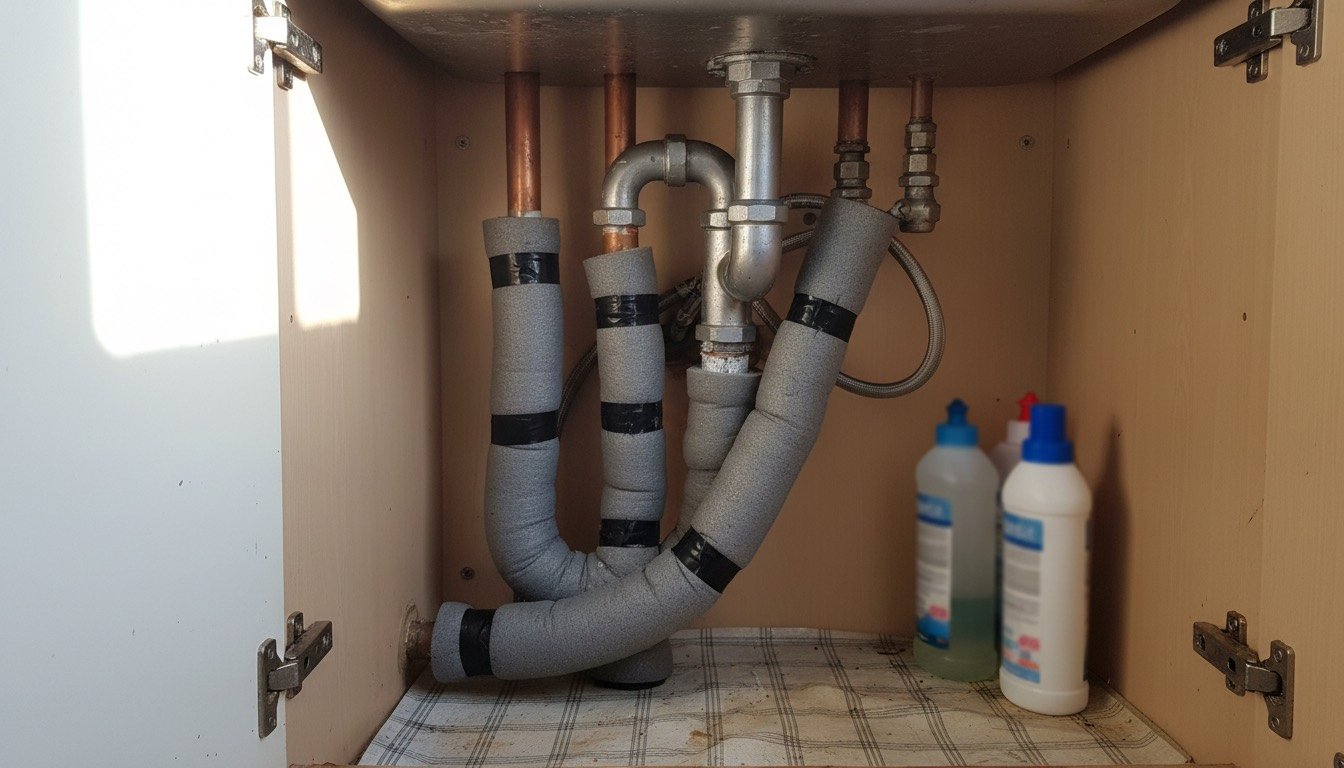
Then there is the interceptor trap, the Buchan trap, in the boundary chamber of most pre-1930s properties: rods driven towards the sewer jam in its U-bend. Indoors, pre-1970s houses hide lead traps and corroded cast iron stacks, both of which an aggressive auger head will punch straight through. Check the signs of a blocked main sewer line before assuming the fault is under your sink.
What each job looks like on the day
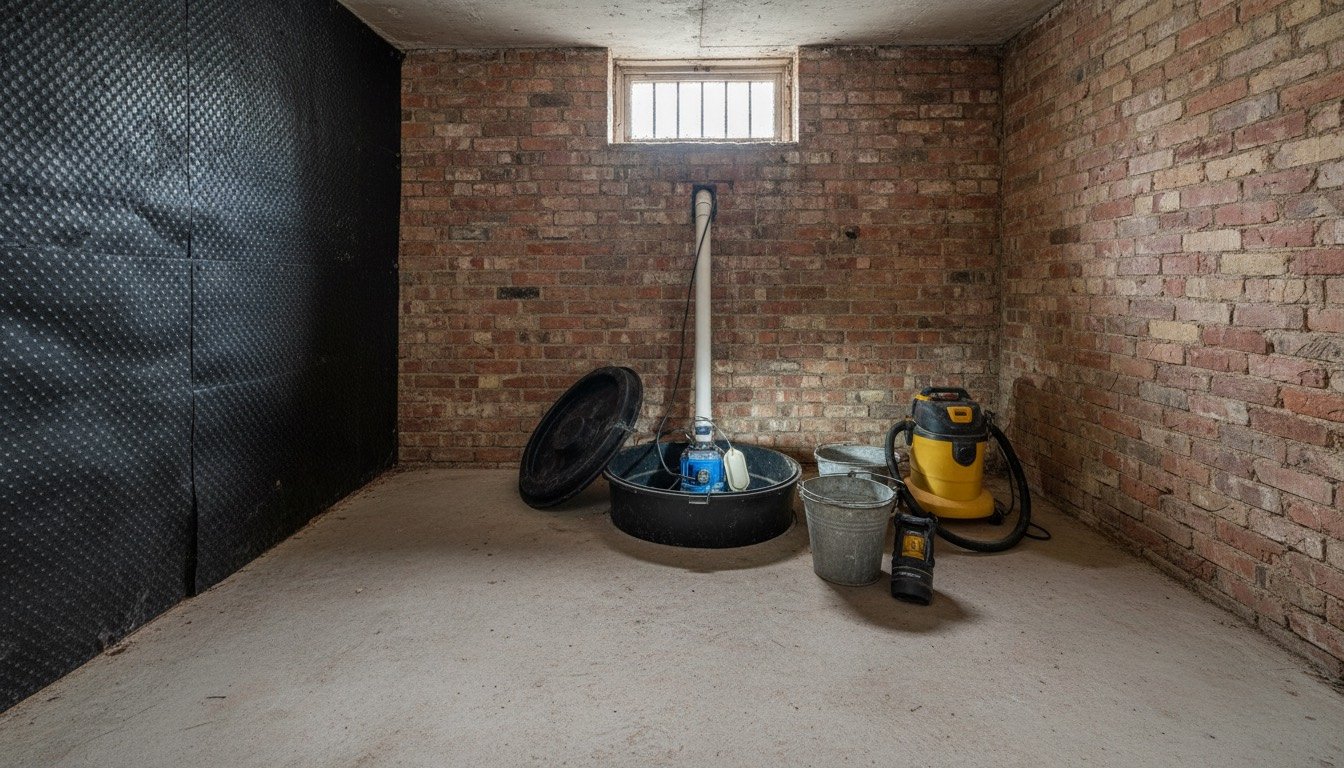
Access decides more than technique. Rodding needs an open chamber, rodding eye or gully and two metres of clear ground. Jetting needs that plus a van within hose reach, typically 60-100 metres, and a water source or on-board tank. In a terrace with no rear access, that alone rules jetting out.
- •Lift every chamber lid on the run first. A full chamber nearest the boundary means the problem is downstream of you.
- •Check ownership. Since 1 October 2011 in England and Wales, lateral drains beyond your boundary and drains shared with neighbours belong to the water company, which will attend free.
- •Rodding: always turn the rods clockwise, or they unscrew underground and leave three feet of rod in the blockage.
- •Ask for the camera footage. A jetting visit on an old drain with no post-clean survey is a guess with a receipt.
The ten-year cost, honestly
Current UK prices: a rodding visit is £80-£150 in hours and £150-£250 out of hours; a domestic jetting visit £150-£300; a CCTV survey £120-£250; planned annual jetting on a root-affected line £140-£200. Our breakdown of what drain cleaning costs has the regional spread.
Over a decade the answer depends on the house. A 1990s semi on plastic drains that blocks at the kitchen every couple of years: a £35 rod set, a £15 auger and one plumber visit, roughly £160 in ten years, and jetting it would be money burned. An 1890s terrace on shared clay with root ingress: rodding twice a year is £200 annually, £2,000 by year ten, and it still floods, whereas one jet, one survey and a patch liner at £400-£900 totals about £1,300 and largely ends it. A 1965 semi on pitch fibre: the £180 saved by skipping the survey is the cheapest way to buy a £4,000 excavation.
Keeping it clear between visits
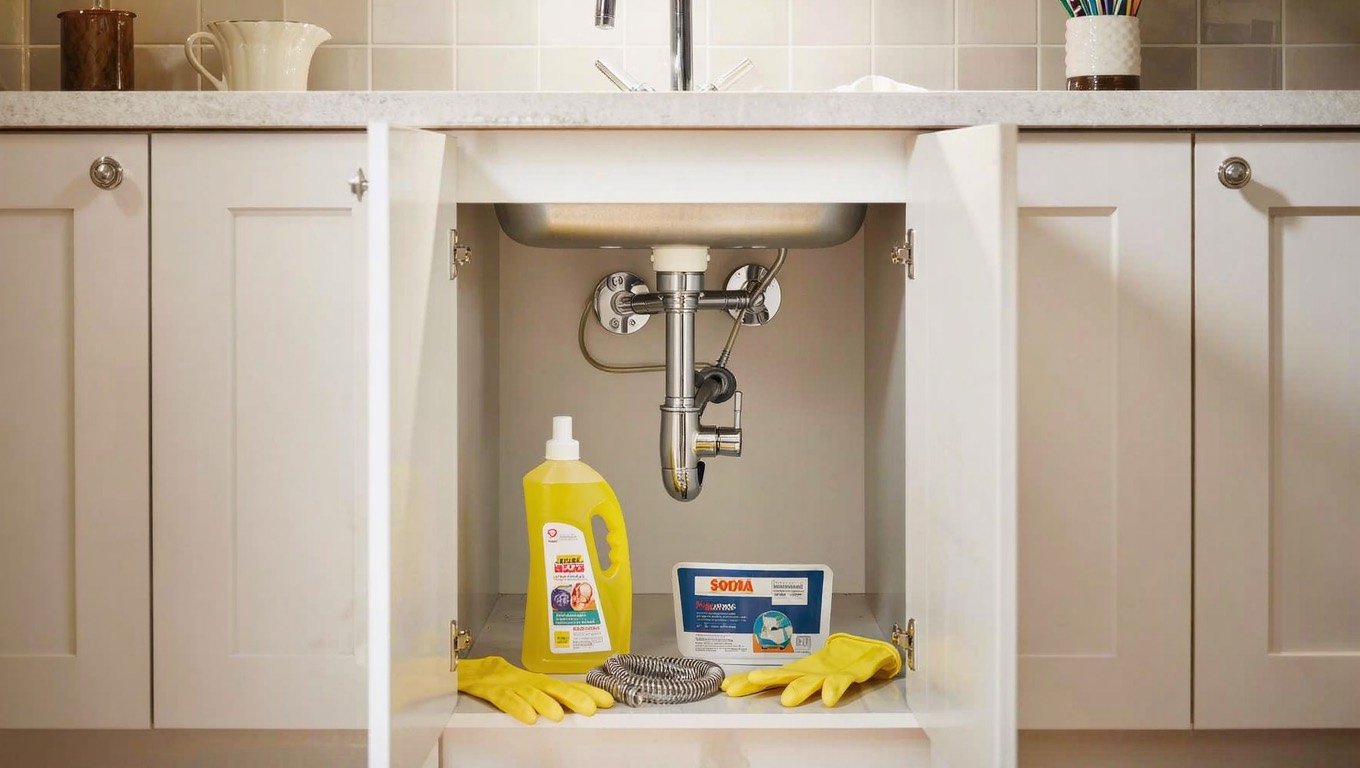
Neither method is maintenance. Fat goes in a jar and then the food caddy; a £3 hair trap stops the commonest bathroom blockage; wet wipes go in the bin whatever the packet claims. Weekly, a kettle of hot rather than boiling water with a squeeze of washing-up liquid keeps kitchen grease mobile - boiling water softens plastic traps and old solvent-weld joints.
Twice a year, lift the chamber lids and look. Standing water means book the work before December, when every drainage firm is flat out. Clear gullies of leaves each autumn, and go easy on caustics, which do real damage to lead and cast iron, as we set out on chemical drain cleaners and old pipework. The habits in our guide to preventing clogged drains beat either machine.
Who each suits, and the verdict
For a one-off blockage in a modern house, rods win on cost and there is no argument. For a drain that fails repeatedly on fat or silt, jetting removes the cause, and £250 once beats £110 four times. In an older property the deciding factor is not the blockage but what the pipe is made of. Survey first, jet second, and treat any firm that jets a Victorian or pitch fibre drain without looking at it as one you do not use again. Working back from a symptom instead? Start at the plumbing guides hub.
- •Rods or a snake: blockages inside the house, in a basin, sink waste or single trap, anything involving a solid object, and any clay, lead, cast iron or pitch fibre run not yet surveyed.
- •Jetting: plastic or surveyed-sound runs, blockages of fat, silt, scale or fine roots, the same section failing twice in a year, or a long external run under a drive.
- •Neither, get a survey: several gullies backing up at once, water rising when a neighbour flushes, a house predating 1930, or sunken ground above the run.
Found this useful?
There's plenty more — hundreds of guides and honestly-tested product reviews for every corner of your home.
Browse All Guides