Plumbing · 6 min read · 25 June 2026
How Much Does Drain Cleaning Cost in the UK? 2026 Price Guide
A blocked kitchen waste cleared for £95. The same symptom in a 1960s estate house that ended at £1,100. Here are the real 2026 UK numbers, and the free clearance most people never ask about.
By the Nims Casa editorial team — written from professional cleaning experience and checked against our editorial standards.
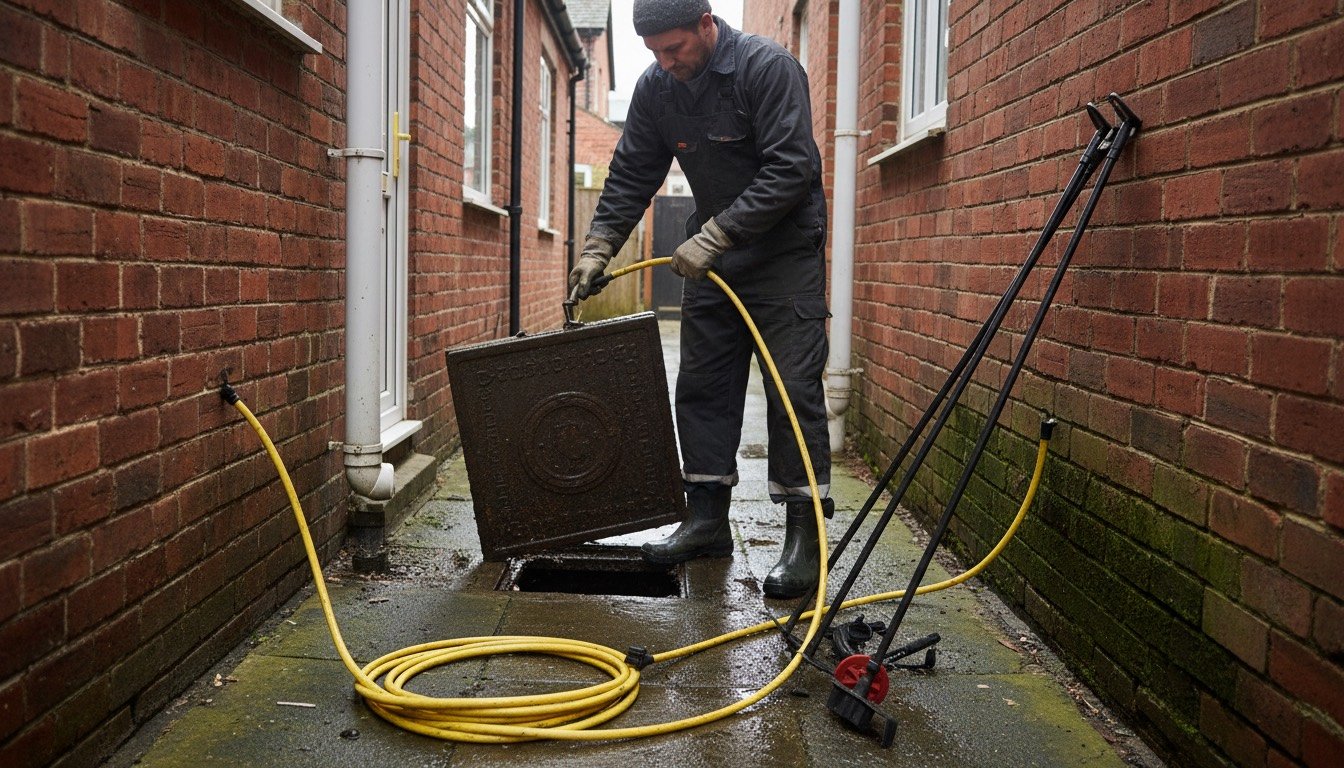
A blocked kitchen waste in Wakefield, cleared in thirty-five minutes for £95. The same reported symptom in a 1960s estate house in Nottingham that finished at £1,100. Both started with an identical phone call, and neither household could have said which one they had until somebody put a camera down there.
Drain work is priced almost entirely on labour and equipment time — consumables on a standard clearance cost the firm under £5. That is why quotes for the same job swing by a factor of three depending on the hour you ring, and why the biggest saving open to most UK households is not haggling. It is working out whose drain it actually is before you pay anybody. There is a renter's version further down, and it starts with not touching anything.
What Drain Cleaning Costs in the UK Right Now
Most domestic drain jobs settle between £80 and £250. Above that bracket you have stopped paying for cleaning and started paying for diagnosis and repair — two things that get bundled onto one invoice more often than they should be.
- •Weekday clearance, local plumber or independent drainage firm: £80–£150
- •The same job through a national drainage brand: £120–£250
- •Out-of-hours, weekend or bank holiday: £150–£300, often with a two-hour minimum
- •High-pressure water jetting on an external run: £150–£300
- •CCTV drain survey with a written report and plan: £150–£350
- •London and the South East: add roughly 25–40% to every figure above
Unit Costs, Job by Job
Priced individually — weekday, VAT included, national mid-range — the work looks like this.
- •Basin, sink or bath with an accessible P-trap: £70–£120, frequently twenty minutes' actual work
- •Toilet blockage cleared with a closet auger: £90–£160
- •External gully or inspection chamber rodded clear: £100–£180
- •Jetting plus CCTV survey in the same visit: £250–£450
- •Descaling a heavily scaled cast iron soil pipe: £300–£600
- •Root cutting in a Victorian clay drain: £200–£400
- •Patch liner over a single cracked joint: £400–£900
- •Full cured-in-place lining, 10m run: £1,500–£3,000
- •Excavate and re-lay a collapsed section: £2,500–£6,000, more under a driveway or extension
Labour Versus Materials
On a straightforward clearance the split is roughly 90% labour and 10% everything else — gloves, a bin bag, a splash of sanitiser. You are paying for a van carrying £4,000 to £12,000 of jetting and camera kit, public liability cover, and somebody willing to put an arm into an inspection chamber in February. The split only shifts once repair enters the picture: resin and materials run 35–45% of a cured-in-place liner, and 15–25% of an excavation. That is why a repair quote broken into labour and materials tells you something useful and a clearance quote broken down the same way tells you nothing. If a firm is choosing the method for you, drain snake versus hydro jetting sets out what each is good at.
Against those rates the DIY kit is trivial: a cup plunger £6–£12, a 5m hand auger £12–£25, a 10m drum auger £30–£55, four external drain rods £25–£45. Our guide to unblocking a drain or sink before you call anyone clears a fair share of domestic blockages for the price of a coffee.
What Moves the Price
- •Whose drain it is. Since October 2011 in England and Wales, lateral drains and shared sewers beyond your boundary belong to the water company. If the blockage sits past the boundary, or the run serves more than one property, Thames Water, Severn Trent, United Utilities and the rest clear it free. Scottish Water and NI Water work on similar lines. This check saves more than any negotiation.
- •The hour you ring. Out-of-hours multipliers of 1.5x to 2x are standard, and 'emergency' is the most profitable word in the trade. A slow sink is not an emergency. Foul water rising into a downstairs bath is.
- •Where it sits. Internal waste pipework behind kitchen units or under a bath is slow work. An external chamber with the cover already off is fast.
- •Property age and pipe material. Estates built between 1950 and 1975 often have pitch fibre drains that deform into an oval and snag everything. Victorian clay joints let tree roots in. Both push you from clearance into repair.
- •Flats and shared stacks. In a converted terrace the soil stack is usually the freeholder's or management company's problem, not yours.
- •Region and pricing model. A London postcode adds 25–40%. Hourly work runs £50–£90 outside London and £70–£120 inside it, plus a call-out fee — the structure covered in our breakdown of what a plumber charges by job.
Three Worked Examples
- •Kitchen sink, mid-terrace, Leeds. Fat and coffee grounds compacted in the waste run under the floor. Weekday, one-man local firm, fixed price £95 plus VAT, cleared with a 10m electric eel in forty minutes. Total £114, of which about £3 was materials.
- •Gurgling toilet and slow bath, 1930s semi, Croydon. The householder rang a national brand at 8pm on a Sunday and paid £240. The blockage was 400mm past the boundary in the shared lateral — the water company's to clear, free, inside four hours. Those two symptoms together are textbook, which is why the signs of a blocked main sewer are worth two minutes before you dial.
- •Repeat backups, 1968 estate house, Nottingham. Jetting plus CCTV survey £320. Footage showed deformed pitch fibre at 6m with root ingress at the joint. Root cutting and a patch liner came to £780 the following week. Total £1,100 with an insurance-backed guarantee. A straight £120 clearance would have bought roughly three months.
The Renter's Version: What You Can Do Without Risking the Deposit
Landlords, not tenants, must keep drains and sanitary fittings in repair. That sits in section 11 of the Landlord and Tenant Act 1985 and cannot be contracted out of by a clause in your agreement. The exception is misuse — wet wipes, cooking fat down the sink, a nappy in the toilet — which does get charged back. Report the fault in writing with a dated photograph before you touch anything. That email is what stops a £110 clearance becoming a deposit deduction argument eight months later. Everything below is reversible and leaves no trace.
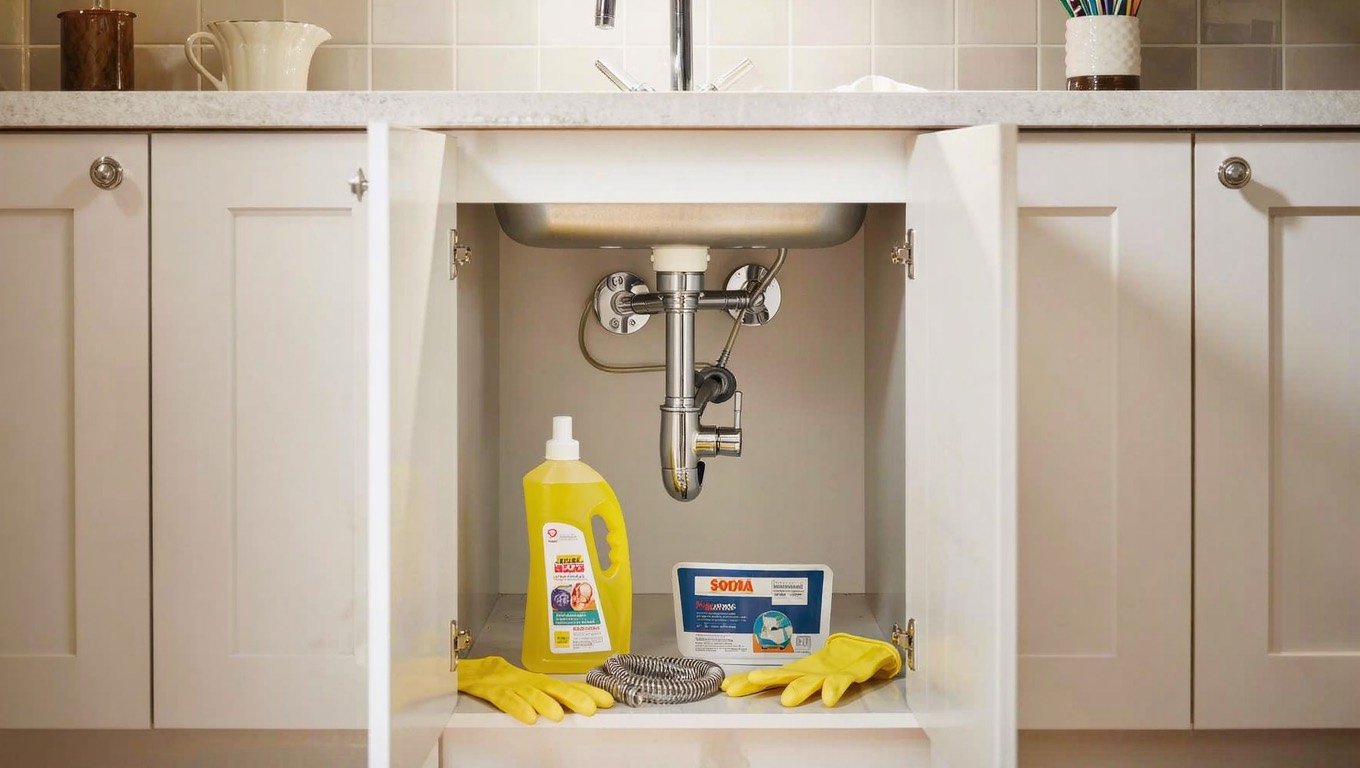
- •Fine: a cup plunger on a sink, a flanged plunger on a toilet, a plastic hair-grabber strip down a shower waste, hot rather than boiling water with washing-up liquid, or 200g of soda crystals flushed through.
- •Fine: unscrewing a plastic P-trap under a basin over a bucket, cleaning it and hand-tightening it back. Hands only — grips crack the nuts, and that is chargeable.
- •Avoid: caustic soda and thick chemical unblockers. They damage older pipework and waste seals, and the landlord can bill you. The reasoning is in whether chemical drain cleaners are safe for pipes.
- •Avoid: dismantling push-fit waste pipework behind a bath panel, lifting a manhole cover on a shared drain, or hiring a powered eel. If that goes wrong, you own the damage.
- •Avoid: paying a plumber yourself and assuming reimbursement. Get written authorisation, or use the landlord's contractor.
- •Keep receipts and before-and-after photographs in one email thread with the agent. Chronology wins deposit disputes.
How to Sanity-Check a Drainage Quote
Drainage attracts more upselling than any other domestic trade, because the evidence is underground and the customer is usually standing in something unpleasant.
- •Is the price fixed for the clearance or hourly, and what do I pay if you cannot clear it? Get that in a message before the van leaves.
- •Is the call-out fee absorbed into the job price, or is it £60–£90 on arrival regardless of outcome?
- •Does the figure include VAT? A sole trader under the £90,000 threshold is not registered, so their number is final; a national firm's may not be.
- •Never accept a verbal 'your drain's collapsed'. Ask for the CCTV footage and a written report with distances measured from the chamber.
- •Treat a jump from a £120 clearance to a four-figure lining quote in the same visit as grounds for a second opinion, not a decision made while the engineer waits.
- •Check buildings insurance and home emergency cover first. Drainage is included more often than people assume.
- •For excavation, get three quotes and confirm the guarantee is insurance-backed rather than a promise from a firm that may not exist in five years.
Methodology, and the Cheapest Number Here
These figures come from 2026 domestic invoices and quotes across England, Wales and Scotland, weighted towards independent firms and regional contractors rather than national brands, whose published rates sit at the top of every band. Ranges include VAT except where the trader is not registered. London and the South East run 25–40% above the mid-point; the North East, Wales and the Scottish Central Belt sit 10–15% below. Revisit annually, as jetting and lining rates track fuel and resin prices rather than general inflation.
The cheapest figure in this guide is zero, and it comes from preventing blocked drains rather than clearing them: a £4 sink strainer, fat scraped into the bin, hair pulled from the shower waste monthly, and nothing but the three Ps down the toilet.
Found this useful?
There's plenty more — hundreds of guides and honestly-tested product reviews for every corner of your home.
Browse All Guides