DIY & Maintenance · 6 min read · 22 May 2026
How to Unblock a Drain or Sink (Before You Call Anyone)
Most blockages are ten minutes of unglamorous DIY away from fixed. The escalation ladder that solves sinks, showers and gullies — cheapest step first.
By the Nims Casa editorial team — written from professional cleaning experience and checked against our editorial standards.
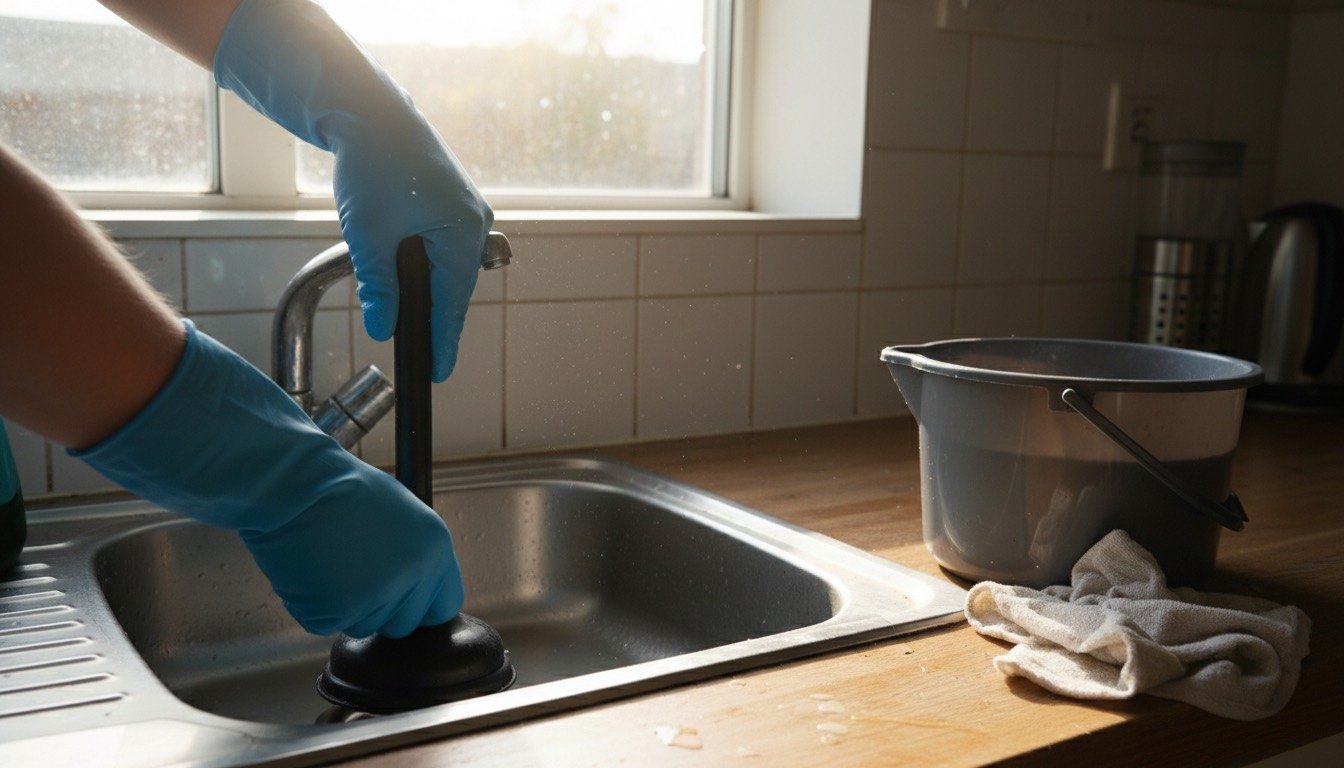
A blocked sink or shower doesn't need an emergency call-out — it needs about ten minutes and the right order of attack. Most UK households reach straight for a bottle of chemical drain cleaner, when the truth is that a properly executed plunge, followed by five minutes at the trap under the sink, clears most household blockages for free.
This guide runs through that escalation ladder in full: kitchen sinks clogged with fat and food, bathroom drains clogged with hair and soap scum, and the outside gully where it should all be flowing to. It covers the tools worth owning, the mistakes that turn a five-minute fix into a bigger job, and the point at which a blockage stops being yours to solve at all.
Kitchen Sink Blockages: Clearing Fat and Food Build-Up
Kitchen blockages are almost always fat, food residue and washing-up liquid scum solidifying inside the pipe. Work through these steps in order, cheapest first, before reaching for anything stronger.
- •Boil a full kettle and add a squirt of washing-up liquid to a heatproof jug. Pour it slowly down the plughole in two rounds, a minute apart — this softens the greasy build-up narrowing the pipe.
- •Block the sink's overflow hole with a wet cloth so a plunger can build proper pressure, then run enough water to cover the plunger cup completely.
- •Plunge with a dozen firm, rhythmic strokes rather than one hard shove. This clears the majority of kitchen blockages without going near the pipework itself.
- •Still slow? Put a bucket under the U-bend, unscrew it by hand, tip out the contents, rinse and refit — five minutes, no tools, no chemicals. Our full walkthrough on cleaning a P-trap covers awkward or seized fittings.
- •Beyond the trap, a cheap hand auger fed through the pipe run will usually hook out the obstruction. For the complete order plumbers actually work through, see how to unclog a sink drain.
Bathroom Drains: Clearing Hair and Soap Scum
Showers and basins block for one reason: hair binds with soap scum and body oils just below the plughole, almost always within easy reach.
- •Lever the waste cover off with a flat screwdriver and pull the hair plug free with a bent length of wire or a £2 plastic barbed removal strip — unpleasant for a few seconds, satisfying forever after.
- •Flush a jug of hot water through afterwards to carry any loosened scum on to the trap rather than leaving it to re-catch.
- •Use an enzyme (bio) drain treatment once a month to digest the soap film before it rebuilds. It's gentler on pipework than reaching for a bottle every time — our chemical vs enzyme drain cleaners comparison explains why.
- •Fit a £3–£5 silicone hair catcher over the plughole. It's the single most effective prevention step in this entire guide.
Outside Gullies and Shared Drains: Where to Stop
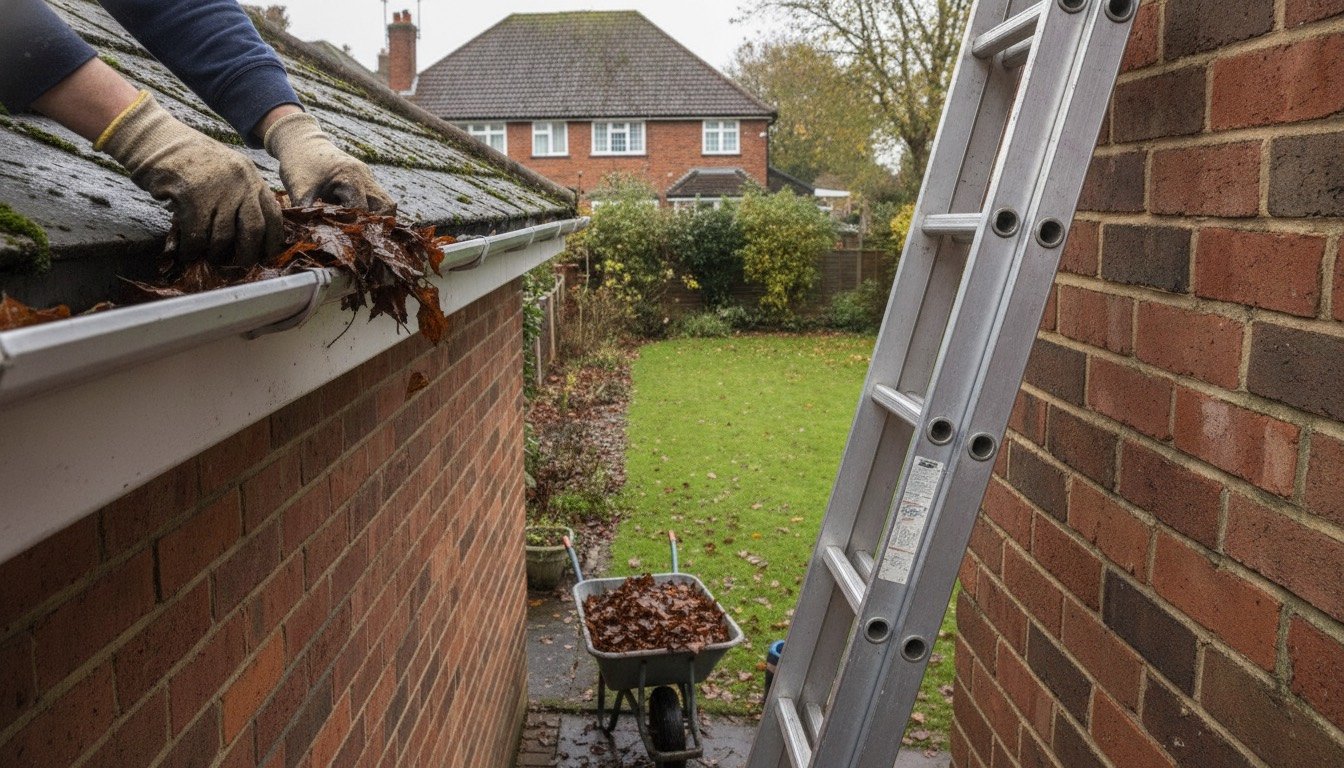
The outside gully — the grated drain where kitchen waste water surfaces at ground level — blocks with leaves, silt and garden debris rather than fat or hair. Gloves on, scoop out anything solid, then flush the gully clear with a full bucket of water. Do this every autumn and it rarely gets the chance to block properly; our weekly routine for preventing clogged drains covers the habits that keep every drain in the house moving.
Multiple fixtures backing up together, waste water appearing where it shouldn't, or a sewage smell in the garden are signs the blockage sits further down, in the shared or main run rather than your own pipework — see our guide to the warning signs of a clogged main sewer line. In much of the UK, the shared drain beyond your boundary is the water company's responsibility to clear, not yours, so it's worth phoning them before paying anyone privately.
Tools and Materials Worth Keeping In (UK Prices)
None of this needs a toolbox. A basic kit costs less than a single call-out fee and handles most blockages a UK home ever produces.
- •Sink plunger, cup or accordion type: £4–£10 — the single most useful tool in this guide.
- •Hand auger / drain snake, 3–5 metres: £8–£20, for blockages beyond the trap a plunger can't reach. If a hand auger still doesn't shift it, our drain snake vs hydro jetting guide explains when it's worth hiring the bigger equipment instead.
- •Adjustable spanner or slip-joint pliers for stubborn trap nuts: £6–£15.
- •Enzyme (bio) drain treatment: £3–£6 a bottle, lasting several months of monthly dosing.
- •Silicone hair catcher and plughole strainer: £2–£5 each.
- •Rubber gloves and an old towel for the inevitable mess: under £5 combined.
Common Mistakes That Make a Blockage Worse
- •Reaching for chemical drain cleaner first. It's a last resort, not an opening move — check whether chemical drain cleaners are actually safe for your pipes before pouring anything down an older pipe run.
- •Assuming hot water alone dissolves fat. It softens it just long enough to wash it further down the pipe, where it re-sets somewhere harder to reach.
- •Plunging straight after using a chemical cleaner. Trapped caustic liquid can splash back and cause genuine skin and eye burns — flush thoroughly with cold water first and never combine the two methods.
- •Over-tightening trap nuts on the way back together. Hand-tight plus a quarter turn with a spanner is enough; force cracks plastic fittings and starts a slow leak instead.
- •Ignoring a slow drain for weeks. A partial blockage is a five-minute fix; left long enough, it becomes a fully solid one that needs a complete strip-down.
When to Call a Professional Plumber
If boiling water, plunging, the trap and a hand auger haven't shifted it, or the blockage keeps returning within days, the obstruction sits further down the pipe run than DIY tools reach — that's the point to book a plumber rather than keep escalating chemicals. For a sense of what to budget, our guide to what professional drain cleaning costs breaks down 2026 UK pricing by job type. Persistent gurgling from other fixtures when one drains, or a smell a bio treatment won't shift, are both worth mentioning when you call — they help a plumber diagnose the job before they've even arrived.
Frequently asked questions
**Is it safe to use a plunger after pouring down chemical drain cleaner?** No — never plunge a drain that's had chemical cleaner in it. The plunging action can force caustic liquid back up and out of the sink, risking skin and eye burns. Flush thoroughly with cold water first and only plunge once you're confident it's cleared.
**How often should I clean the trap under my sink?** Most kitchen sinks benefit from a trap check every three to six months, or sooner if drainage has been noticeably slowing. It takes five minutes, costs nothing, and catches problems long before they become a full blockage.
**Do enzyme drain cleaners actually work?** Yes, for maintenance rather than emergencies. Enzyme (bio) treatments break down organic build-up like soap scum and hair gradually over days, so they're best used monthly to stop a blockage forming rather than to clear one that's already solid.
**Why does my drain smell even though water flows fine?** A drain can smell without being blocked if the trap has dried out — common in rarely used drains — or if organic residue is rotting on the pipe walls above the water line. A bio treatment, and topping up any dry traps, usually solves it.
**Can I pour bleach down a blocked drain?** It's not recommended. Bleach doesn't break down fat, hair or soap scum effectively, can react badly with other chemicals already sitting in the pipe, and does nothing a proper plunge or trap clean won't do better and more safely.
**Will an outside gully blockage affect my whole house?** Only if it backs up far enough to stop any fixture reaching the drain — usually one gully overflowing locally is the first sign. If several sinks, toilets or gullies back up together, treat it as a main-run blockage rather than a simple gully clog.
Found this useful?
There's plenty more — hundreds of guides and honestly-tested product reviews for every corner of your home.
Browse All Guides