Cleaning Guides · 6 min read · 27 April 2026
End of Tenancy Cleaning Checklist: Get Your Full Deposit Back
Cleaning causes more deposit disputes than anything else. This is the room-by-room standard inventory clerks check — including the clause about carpets.
By the Nims Casa editorial team — written from professional cleaning experience and checked against our editorial standards.
Cleaning is the single biggest cause of deposit deductions in the UK — ahead of damage and unpaid rent combined. The frustrating part is that cleaning disputes are almost entirely avoidable, unlike genuine wear and tear, which is protected regardless of what a landlord claims.
This guide follows the standard a professional inventory clerk checks against on changeover day: kitchen, bathroom, then every other room, plus the one clause buried in most tenancy agreements that catches tenants out — the requirement for a professional carpet clean. We'll also cover what a DIY clean costs to kit out, the mistakes that lose people the most money, and when it's cheaper to book a cleaning company than to do it yourself.
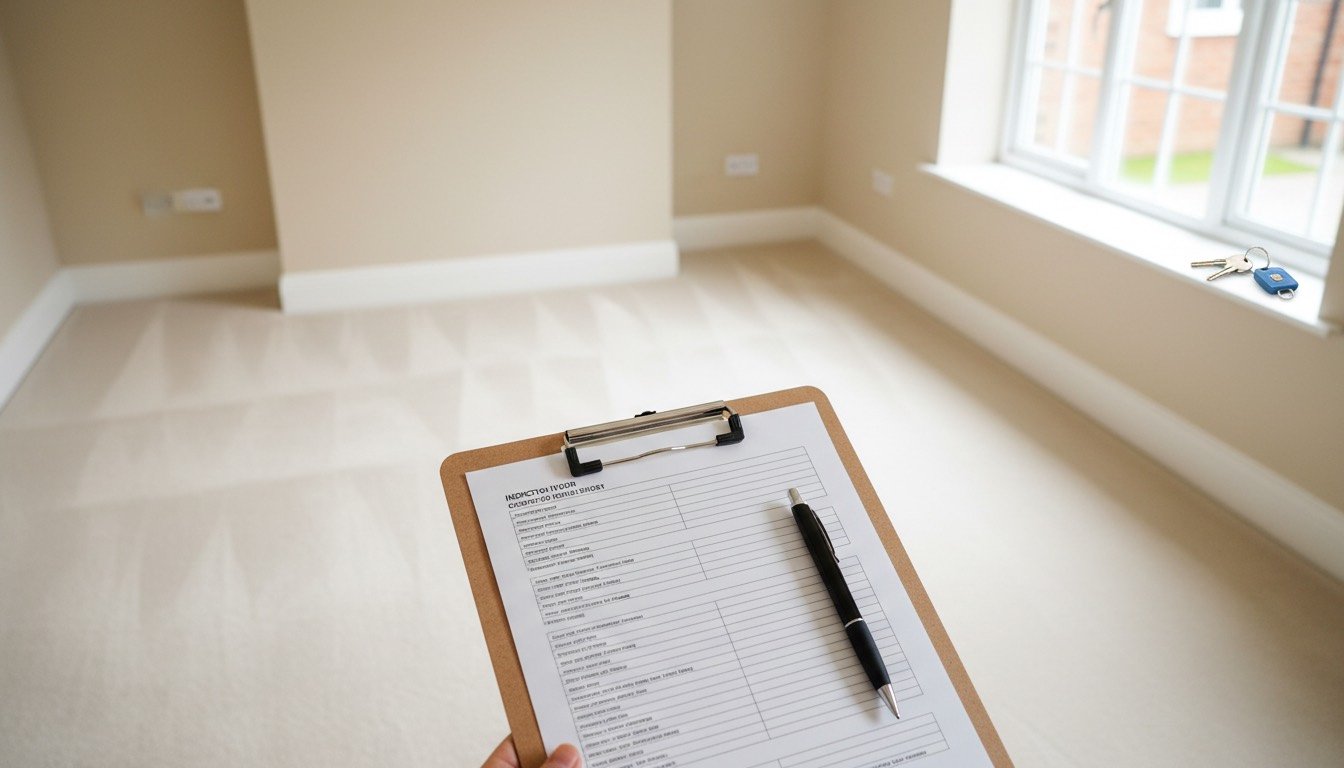
None of it is complicated, but it is thorough. Clerks compare your check-out report against the check-in inventory line by line, and the flats that pass first time are cleaned to the standard below — not just the standard that looks clean from the doorway.
Kitchen deep clean: the room that fails most inventories
The kitchen gets checked harder than anywhere else in the property, because it's where grease, food residue and limescale build up fastest — and where clerks know tenants are most likely to cut corners. Work through it in this order:
- •Oven: the cavity, both racks, the inner glass door and the grill pan — follow a proper degreasing method rather than scrubbing blind, since this is the single most failed item on UK inventories
- •Extractor hood: remove and degrease the filters, then wipe the canopy and any grease above the hob
- •Fridge-freezer: defrost fully, wipe every shelf and drawer with warm soapy water, clean the door seals where mould collects, and leave both doors propped open on your final visit
- •Washing machine: pull out the detergent drawer and soak it, wipe the rubber door seal where mould hides, and run an empty hot cycle to clear smells from the drum
- •Cupboards and drawers: empty completely, wipe the insides free of crumbs, and clean the exterior doors and handles where fingerprints show under inspection lighting
- •Sink and taps: descale the taps and drain surround, clear the plughole, and polish stainless steel streak-free
- •Bins: wash both the outer bin and any inner caddy, and disinfect to remove odour before check-out
Bathroom checklist: limescale, grout and mould
Hard water leaves obvious limescale on taps and shower screens within days, and it's usually the first thing a clerk's finger finds. Mould in grout lines takes longer to shift, so start the bathroom early rather than leaving it to the final day.
- •Shower head, screen, taps and tiles: remove limescale with a proper descaler rather than an all-purpose spray, which won't touch mineral deposits
- •Grout and silicone sealant: treat mould as soon as you spot it — black mould in grout gets harder to shift the longer it's left, and bleach alone often just masks the staining
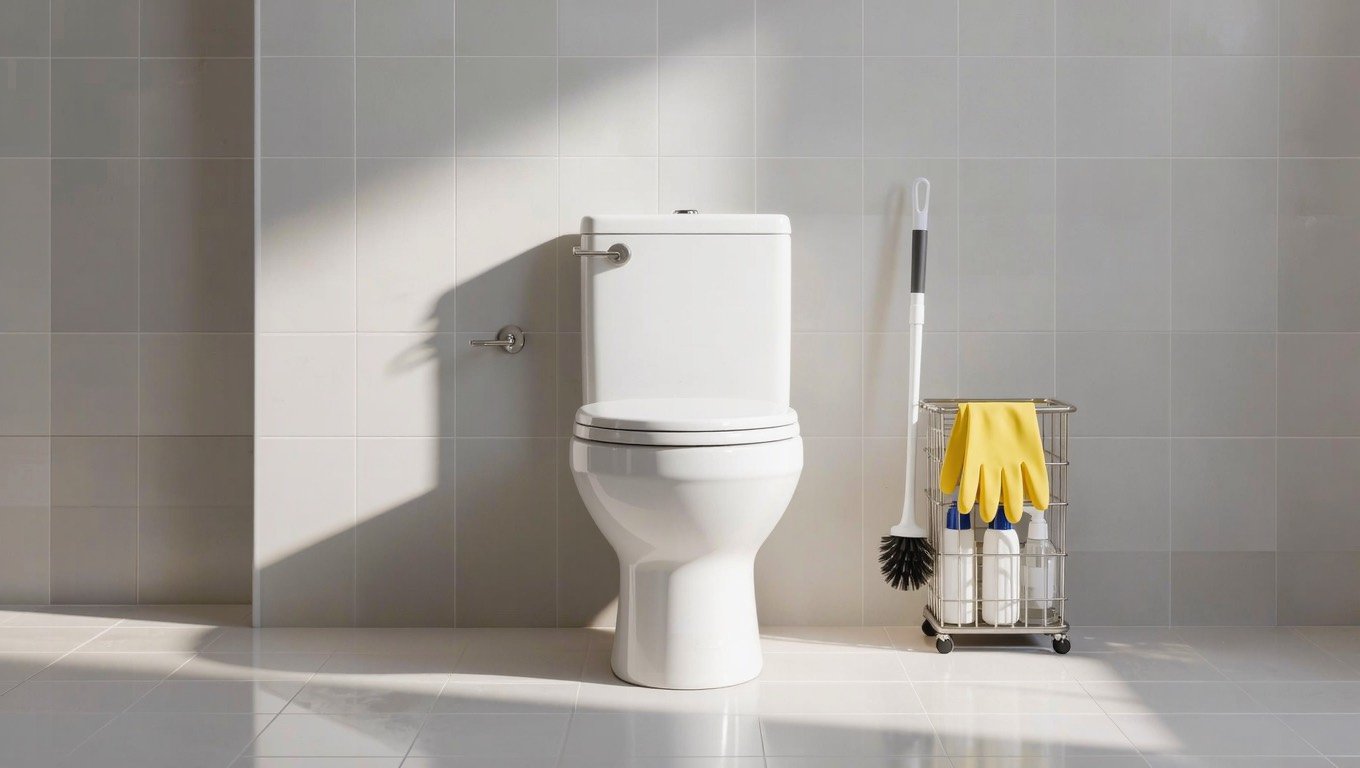
- •Toilet: descale under the rim, and clean the base, hinges and behind the pan, all of which clerks specifically check
- •Extractor fan cover: dust off the built-up grime, and polish mirrors and any glass streak-free
Every room: the details inventory clerks actually check
These details separate a pass from a re-clean, and they apply to every room, not just the kitchen and bathroom.
- •Skirting boards, door frames and the tops of doors: dust collects here for months and it's checked with a torch
- •Light switches, sockets and fittings: wiped free of finger marks and dust
- •Windows: cleaned inside, including sills and tracks — a streak-free finish matters more than you'd think under natural light
- •Walls: marks removed where possible without damaging the paintwork
- •Wardrobes and cupboards: emptied and wiped inside, including shelves and rails
- •Floors: vacuumed edge to edge, including under any furniture that's been moved, and hard floors mopped rather than just swept
The professional carpet cleaning clause most tenants miss
Check your tenancy agreement for wording along the lines of 'carpets to be professionally cleaned at the end of the tenancy'. It's a standard clause in most UK assured shorthold tenancies, and if it's there, a hired vacuum won't satisfy it — only a receipt from a professional service will.
The logic cuts both ways: if the property was professionally cleaned before you moved in, noted on the check-in inventory, the check-out standard has to match it. Agents can otherwise commission the clean themselves and take it from your deposit at whatever rate their contractor charges, almost always higher than booking it yourself.
Time it deliberately: book the carpet clean after everything else is out and as close to check-out as you can manage, so nothing gets tracked back in. Photograph every room on completion day with the date visible — that's what settles a dispute in your favour if one reaches the deposit scheme.
Tools, products and typical costs for a DIY end of tenancy clean
A thorough DIY clean needs more than a spray bottle and a cloth. Budget for the following if you're starting from scratch:
- •Oven cleaner and a scraper: £4–£8
- •Limescale remover: £3–£6
- •Mould and mildew spray: £3–£5
- •Multi-surface cleaner and glass cleaner: £2–£4 each
- •Microfibre cloths, pack of 10: £5–£8
- •Rubber gloves, a scrubbing brush and a grout brush: £6–£10 combined
- •Vacuum cleaner hire, if you don't own one: £15–£25 a day
- •Professional carpet clean for a typical two-bedroom flat: £70–£140, depending on the number of rooms and whether stain treatment is needed
Common mistakes that cost tenants their deposit
Most disputes trace back to a handful of errors:
- •Leaving the oven until the last day, when there's no time left for a degreaser to actually work
- •Using a domestic vacuum on carpets when the tenancy agreement specifies a professional clean
- •Forgetting to check behind and underneath large appliances and furniture once they've been moved
- •Cleaning before you've finished moving out, so dust and marks reappear during the final shift
- •Not photographing the finished clean, leaving no evidence if the agent disputes the standard
- •Assuming a cleaner-than-average flat is good enough — clerks compare against the check-in inventory, not a general impression
When to book a professional end of tenancy clean instead
If you're short on time, moving out of the area before check-out, or the property wasn't cleaned to this standard at check-in and needs bringing up to scratch, a professional end-of-tenancy clean is usually worth the money. Typical UK prices run around £100–£150 for a one-bedroom flat, rising to £180–£280 for a three-bedroom house. Most companies work to a checklist matched to letting-agent standards, with a guarantee to return free of charge if anything is flagged at inspection — see our guide to house cleaning costs for a fuller regional breakdown.
Frequently asked questions
Do I have to professionally clean the carpets even if I didn't spill anything? Yes — if your tenancy agreement includes a professional cleaning clause, it applies regardless of visible staining. It's about a professional standard of clean, not damage, so ordinary wear still needs treating if the clause is there.
Can my landlord charge me for cleaning if I did it myself? Only if the property genuinely falls short of the standard set at check-in. A landlord can't charge simply because they'd prefer a professional company, and any deduction should be backed by evidence such as photos or a clerk's report — see our guide on deposit deductions for cleaning for what's fair and what isn't.
How long does an end of tenancy clean take? A thorough DIY clean of a two-bedroom flat typically takes 6–10 hours across a day or two. Professional teams usually complete the same job in 3–5 hours with two or three cleaners working together.
What if the flat wasn't clean when I moved in? Check the check-in inventory. If it already noted marks, limescale or a less-than-spotless oven, you're only required to return the property to that same standard, not a higher one.
Does a regular cleaning routine make the final clean easier? Yes. A property kept to a routine throughout the tenancy needs far less last-minute work at check-out, because limescale, grease and mould never get the chance to build up to a point that's hard to shift in one session.
Found this useful?
There's plenty more — hundreds of guides and honestly-tested product reviews for every corner of your home.
Browse All Guides