Electrical · 6 min read · 11 May 2026
EV Charger Installation at Home: UK Costs and Requirements (Including Older Houses)
The wallbox costs roughly the same wherever you live. What swings the bill by a factor of three is everything between your incoming supply and the parking space - and older houses hide most of it.
By the Nims Casa editorial team — written from professional cleaning experience and checked against our editorial standards.
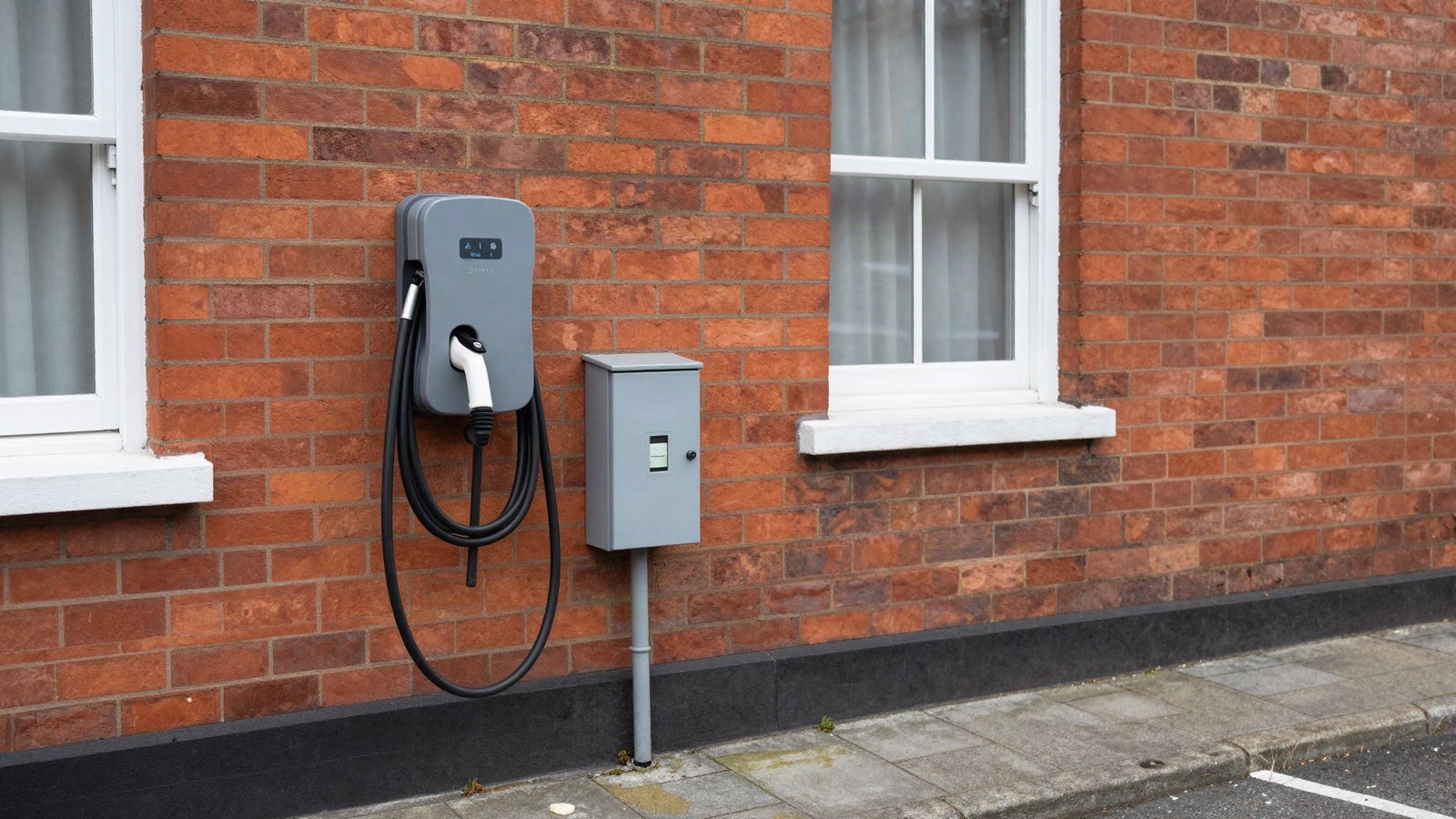
Two neighbours, same street, same 7.4kW charger. One paid £899, fitted in an afternoon. The other paid £2,300 across two visits, because his 1898 terrace had a 60A main fuse, a rewireable fuse board in the under-stairs cupboard, and 19 metres of solid wall between it and the car.
Nothing about that job was unusual. It is what happens when you bolt a 32A continuous load onto a supply designed for gas lighting and a wireless. Here is what the work involves, what it costs in 2026, and where older housing stock changes the answer.
Start With the Survey, Not the Wallbox
Any installer worth booking asks for photographs of your cut-out, meter and consumer unit before quoting. Five things set what you pay, and in a pre-1970s property at least two are usually against you.
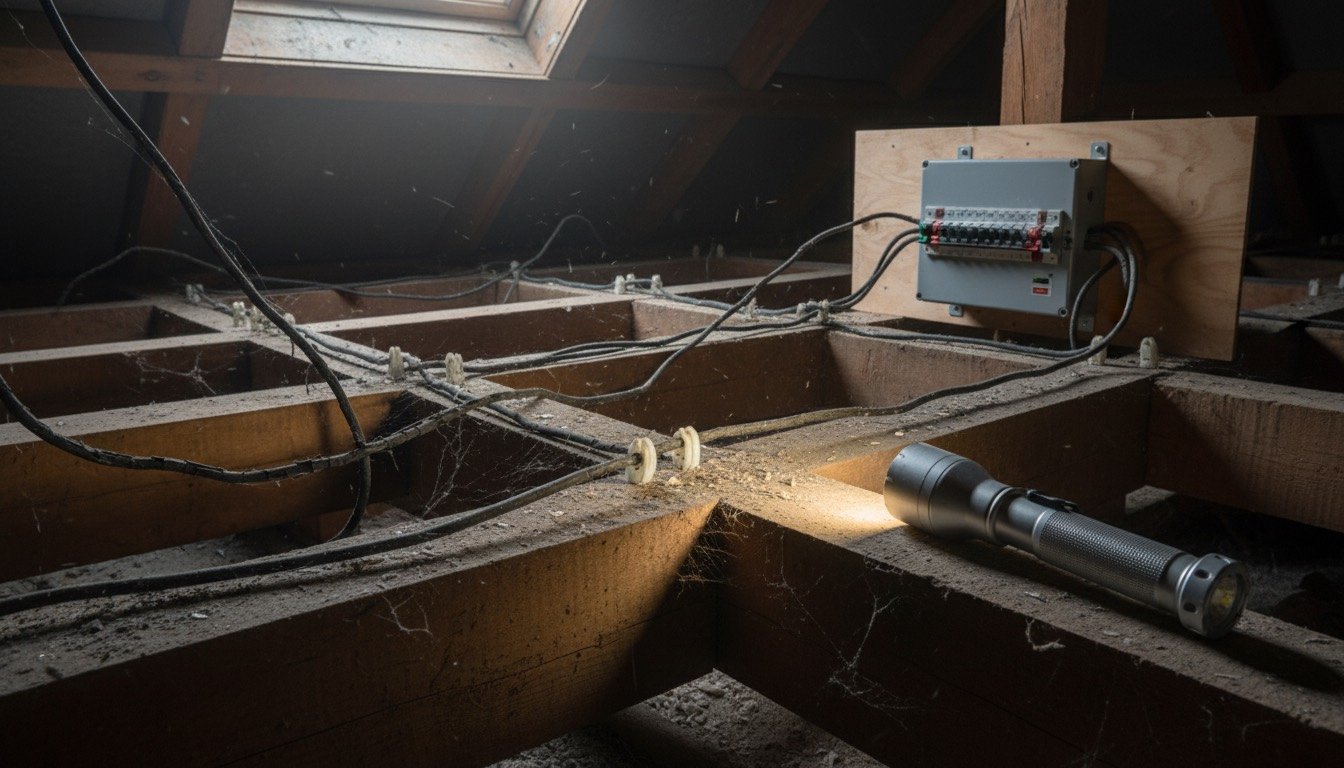
- •Earthing arrangement. Modern estates are TN-C-S (PME); older semis often have TN-S on a lead-sheathed service cable, and rural cottages on overhead supplies are frequently TT. Built-in open-PEN protection removed the old earth-rod requirement, but a deteriorated lead joint still needs the network operator.
- •Main fuse rating. A 100A BS 88-3 fuse copes easily. The 60A or 80A BS 1361 fuse standard before the mid-1970s does not, once you add a 9.5kW shower and an induction hob.
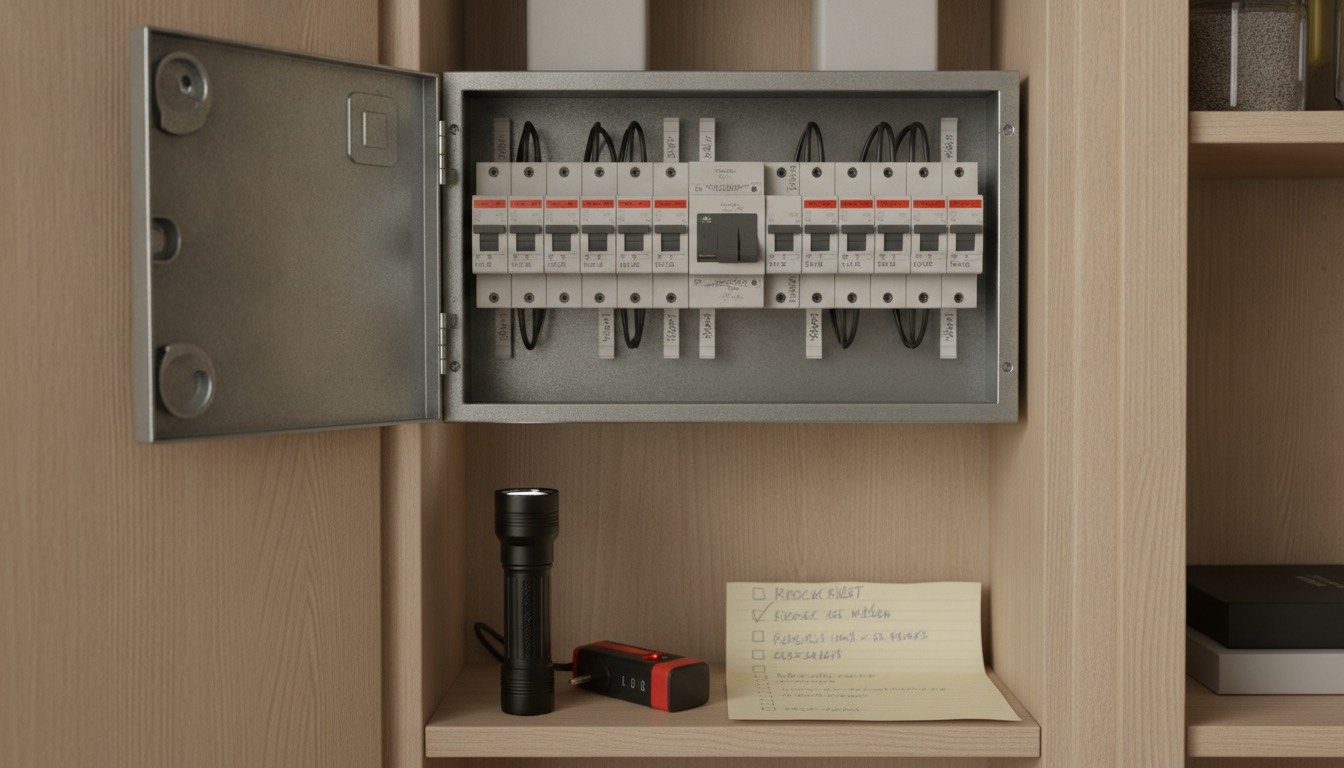
- •Consumer unit. Rewireable fuse carriers, no RCD protection or no spare way all mean a replacement first.
- •Cable route. Terraces put the meter mid-house and the parking at the back: 20 metres of armoured cable and three core holes through 225mm brick is not a 4m garage wall.
- •Where the car sits: no driveway changes everything.
Safety, Regulations and the Genuine DIY Limit
A chargepoint is a new final circuit, notifiable under Part P in England and Wales and through building standards in Scotland. An installer registered with NICEIC, NAPIT or ELECSA self-certifies and issues the paperwork. Do it yourself and you pay building control £250-£400 to inspect work they may refuse to sign off.
BS 7671 Section 722 requires a dedicated 30mA Type A RCD or RCBO, 6mA DC fault detection and open-PEN protection, and every unit sold must be smart-enabled with a default off-peak window. It is firmly among the electrical jobs you should never DIY.
What you can legitimately do: dig the trench to a detached garage, clear the route and redecorate afterwards. Digging it yourself can take £300 off a long run.
Kit and Materials for a Period Property
The consumables barely change between houses. The fixings and drilling kit do: soft Victorian brick and perished lime mortar behave nothing like blockwork.
- •6mm² twin-and-earth for short internal runs; 10mm² SWA outdoors, buried, or beyond roughly 15-20m to hold volt drop inside 5%
- •Type A 30mA RCBO and an IP65 rotary isolator
- •CT clamp or load-management module - effectively mandatory on a 60A or 80A supply, and far cheaper than a fuse upgrade
- •M8 resin anchors, never plastic plugs. Plugs in 130-year-old lime mortar pull out within a winter
- •A 400mm SDS bit: 225mm of solid brick, plus render outside and lime plaster on lath inside
Realistic Time and Cost in 2026
A straightforward install - modern board, 100A fuse, unit within 10m - runs three to five hours. Older properties take a full day, and two visits if the network operator must attend. Typical UK prices, labour and materials together:
- •Standard 7.4kW install, up to 10m of cable: £800-£1,150
- •Extra cable: £10-£16 per metre internally, £22-£38 per metre in buried SWA
- •Consumer unit replacement: £480-£950, adding half a day
- •Main bonding upgraded to 10mm² at gas and water: £120-£320
- •DNO fuse upgrade, 60A/80A to 100A: free to £280, but allow 4-10 weeks
- •Hand-dug trench across a garden: £55-£95 per metre
- •Cross-pavement cable channel: £1,100-£1,600 plus a council licence
- •Worked example - 1990s semi, garage wall, 8m run: about £930
- •Worked example - Victorian mid-terrace, 60A fuse, rewireable board, 19m rear run: £2,150-£2,600
The Installation, Step by Step
This is what happens on the day. Skip steps 1, 2 or 7 and you hired the wrong person.
- •1. Test the existing installation: loop impedance at the origin, polarity, earthing conductor size and bonding continuity. On a lead-sheathed TN-S service, this is where problems surface.
- •2. Confirm maximum demand and choose between load management and a fuse upgrade - our guide to calculating your home's electrical load covers the arithmetic. Replace the board now if it failed step 1.
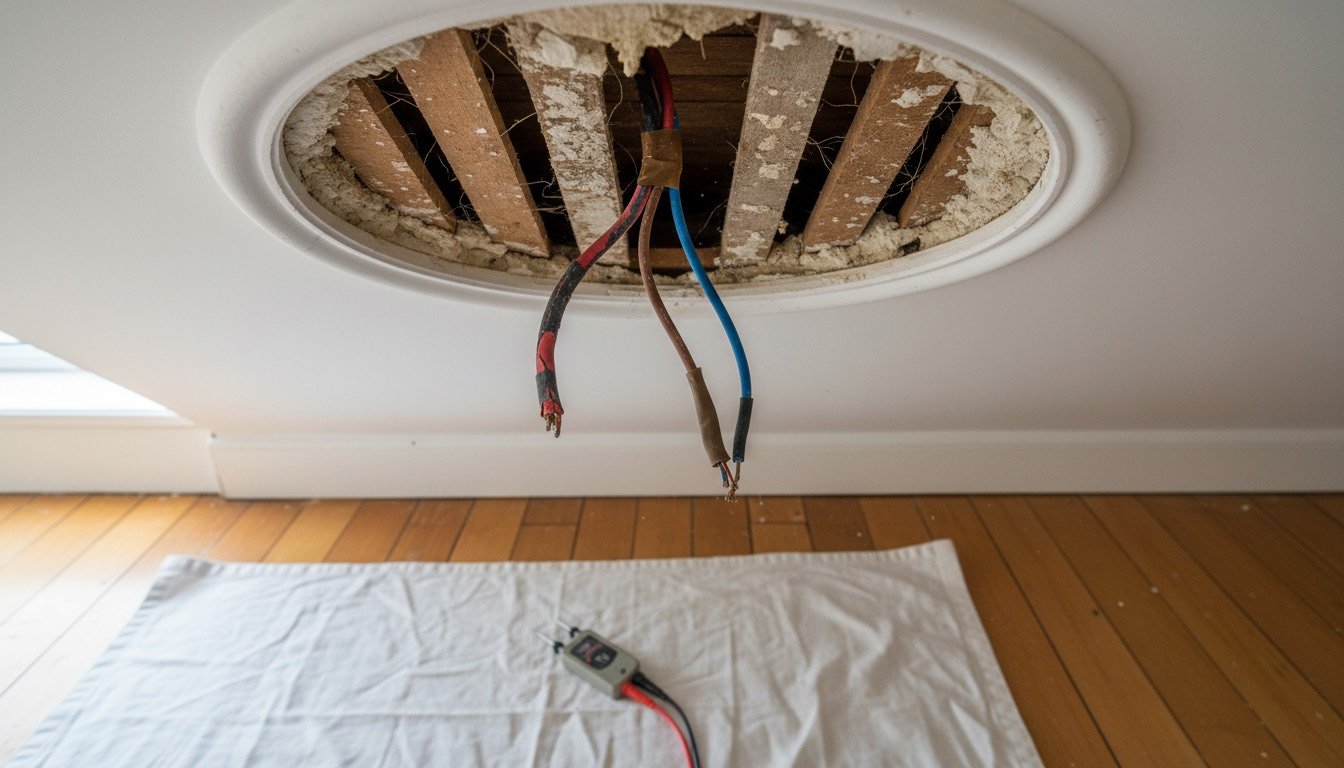
- •3. Drill core holes with a fall to the outside, never level or sloping inwards. Lath and lime plaster crumbles, so cut back cleanly and make good with lime filler, not gypsum.
- •4. Run and clip the cable. Cellars and floor voids beat surface conduit; never notch a joist deeper than an eighth of its depth.
- •5. Mount the isolator and unit with the socket at 750-1200mm on resin anchors, sited so the lead reaches the car's port without crossing a path.
- •6. Isolate, fit the RCBO, terminate, energise, then test: continuity, insulation resistance, polarity, Zs, RCD trip times and open-PEN verification.
- •7. Set the charging window to your tariff, then hand over the Electrical Installation Certificate and Building Regulations notice. Most single 32A units are notified to the DNO within 28 days.
Troubleshooting What Old Houses Throw Up
In period properties, nearly every complaint is one of these.
- •Charging drops to 6A each evening: the load-management clamp doing its job on a 60A supply. Shift charging to 00:30-04:30, or apply for the fuse upgrade.
- •The RCD trips the moment charging starts: the charger shares an RCD with older circuits carrying accumulated earth leakage. Give it a dedicated RCBO. If the board is tripping regularly anyway, fix that first.
- •An earth fault light and no power: open-PEN protection reading a voltage imbalance, often a borrowed neutral in pre-1970s wiring or a failing TN-S joint. The DNO must inspect the cut-out - never let anyone bypass the protection.
- •A damp patch indoors under the cable entry: the core hole falls inwards and a solid wall has no cavity to catch it. Redrill with a 10mm fall outwards and sleeve it.
When to Stop and Call Someone Else
Stop if the property is listed - a chargepoint on any elevation needs listed building consent, and in a conservation area a unit fronting a highway usually needs planning permission too. Stop if the survey finds lighting circuits with no circuit protective conductor, or rubber-insulated cable that crumbles when flexed. Adding a 32A load to that is roofing over a rotten frame: get an EICR, then price the cost of rewiring the house. It is one of the problems that comes with a century-old house.
Stop, too, if your only parking is on-street. Trailing a cable across a footway is not permitted anywhere in the UK, and a hinged cover is no defence. A cross-pavement channel needs a highways licence: some councils grant them routinely, plenty still refuse.
Otherwise, take three quotes from OZEV-authorised installers who have seen the property, and check what each includes for cable, making good and the board. The wallbox varies by perhaps £120; the work around it varies by a thousand. Our breakdown of what electricians charge is a useful check.
Found this useful?
There's plenty more — hundreds of guides and honestly-tested product reviews for every corner of your home.
Browse All Guides