Pest Control · 6 min read · 21 June 2026
How Much Does Pest Control Cost in the UK? 2026 Price Guide
A wasp nest costs £75 and a bed bug job costs £950 — both are called pest control. Here are the real 2026 UK numbers, and the point where DIY stops being legal.
By the Nims Casa editorial team — written from professional cleaning experience and checked against our editorial standards.
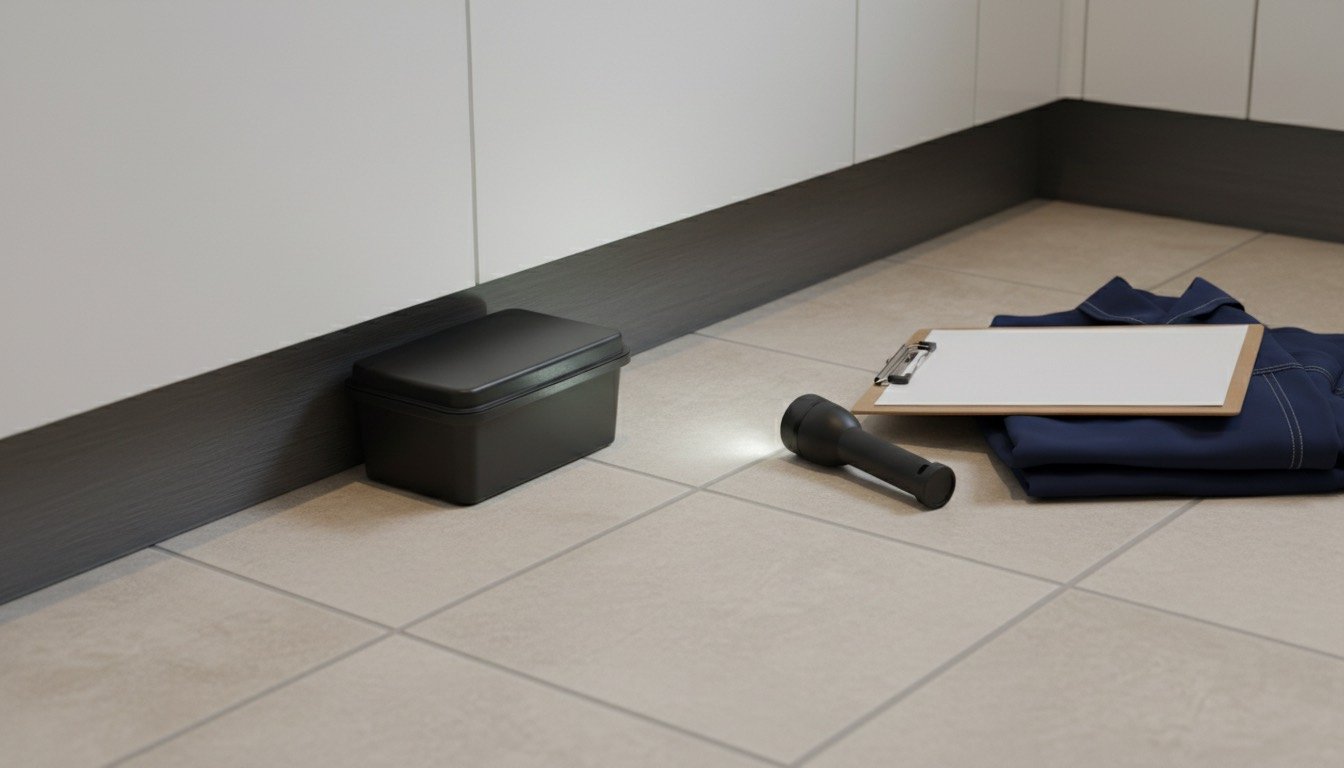
A wasp nest in a soffit and a bed bug outbreak in a first-floor flat are both filed under the same trade. One is a £75, twenty-minute visit. The other runs to £950 before anyone will call it finished. Averages hide that spread, which is why quotes feel arbitrary until you grasp what a technician is really selling — almost never the chemical.
Ignore any guide that quotes you for termites, incidentally. Britain has had one confirmed subterranean termite colony, in Devon, and it was eradicated. UK homes get woodworm, priced on a different basis entirely, as is every species in our per-pest exterminator breakdown.
What Pest Control Costs in the UK Right Now
Most domestic jobs land between £100 and £350: single-visit insect work at the bottom, multi-visit rodent programmes with proofing at the top, bed bugs and bird proofing in a bracket above.
- •One-off call-out and treatment, single pest: £100–£180, or £150–£250 inside the M25
- •Two- or three-visit programme: £180–£350
- •Annual domestic contract, three preventative visits plus call-outs: £150–£350 a year
- •Council pest team, where one still exists: £60–£130 for rodents, often free on certain benefits
- •Survey only: £75–£150, usually waived if you book the treatment
Unit Costs: What Each Pest Costs to Clear
These are whole-programme prices for a three-bed house, VAT included — not first-visit teasers. Councils are the wildcard: many withdrew domestic services after 2020, but plenty still treat rats at £70 because rats are a public health matter. Ring yours before you ring a contractor.
- •Wasp or hornet nest: £60–£120 first nest, £30–£50 per extra nest
- •Mice: £150–£300 for two or three visits, plus £100–£300 proofing
- •Rats, internal: £180–£400, climbing steeply once a defective drain and CCTV survey appear
- •Ants, garden and pharaoh's: £80–£160
- •Fleas: £120–£220 whole-house spray, plus the vet's bill for the animal
- •Cockroaches: £250–£500 across three or four gel-bait visits
- •Bed bugs: £300–£600 chemical, £700–£1,400 heat treatment of a flat
- •Carpet moths: £180–£400 depending on rooms carpeted
- •Squirrels in a loft: £250–£600, mostly trapping visits and roofline proofing
- •Woodworm: £500–£1,500 for the treated area, after a £150–£300 timber survey
- •Pigeon proofing, netting and spikes: £350–£1,500
Labour vs Materials: You Are Buying Time, Not Chemicals
On a £200 mouse job the consumables — bait blocks, tamper-resistant boxes, wire wool, mortar, three metres of stainless mesh — come to £20–£35. The rest is the technician's time, the van, public liability insurance, waste disposal and the qualification that lets them hold professional-use products at all. Domestic pest control runs 80–85% labour and overheads, 15–20% materials.
Two things break that ratio. Bed bug heat treatment brings £8,000–£15,000 of kit to your door, so equipment recovery inflates the price whatever the hours. Proofing tips the balance towards materials and joinery time, which is why a decent rodent quote lists treatment and proofing separately. The cheap end of the market is single-species insect work you could handle yourself — ants rarely justify a professional — and the dear end is anything that hides, breeds fast and reinfests, chiefly bed bugs and cockroaches.
What Moves the Price
- •Geography: London and the South East run 25–40% above the national rate, the North East and Scotland 10–20% below
- •Property age: an 1890s terrace with suspended floors and shared party walls takes twice as long to proof as a 2015 new-build
- •Access: unboarded lofts, nests above two storeys, or anything needing a tower adds £100–£400
- •Neighbours: in terraces and flats, mice and cockroaches walk back through the party wall untreated
- •Guarantee: three months is standard on rodents, six to twelve costs more
- •Timing: evenings, weekends and bank holidays add around 50%, and wasp season hardens prices from July to September
- •VAT: firms above the threshold charge it, many sole traders do not — a 20% gap
Three Real Jobs, Priced Line by Line
Mice, Victorian terrace, Leeds. Three visits over four weeks at £165, then £140 to proof airbricks, the gap behind the boiler pipework and the void under the kitchen units. Total £305, three-month guarantee. The proofing is what ended it; baiting alone in a terrace just recycles the problem, as our mice guide explains.
Wasp nest, Bristol semi. Soffit above a bedroom window, reachable from a three-metre ladder. Twenty minutes on site, £75 including VAT. The council quoted £68 with a nine-day wait in August; the private firm came next morning.
Bed bugs, two-bed London flat. Chemical treatment, two visits fourteen days apart, £520, then a third at £120 when eggs hatched. Total £640, against a £980 heat-treatment quote that would have finished it in a day. Not an obvious call either way.
The DIY-or-Pro Line, and Where UK Law Draws It
This boundary is not purely about competence. In the UK it is drawn by product law and wildlife law, and both have teeth.
- •Do it yourself, confidently: ants, fruit flies and drain flies, silverfish, garden aphids and slugs, and a first go at mice with snap traps and amateur-use bait indoors only
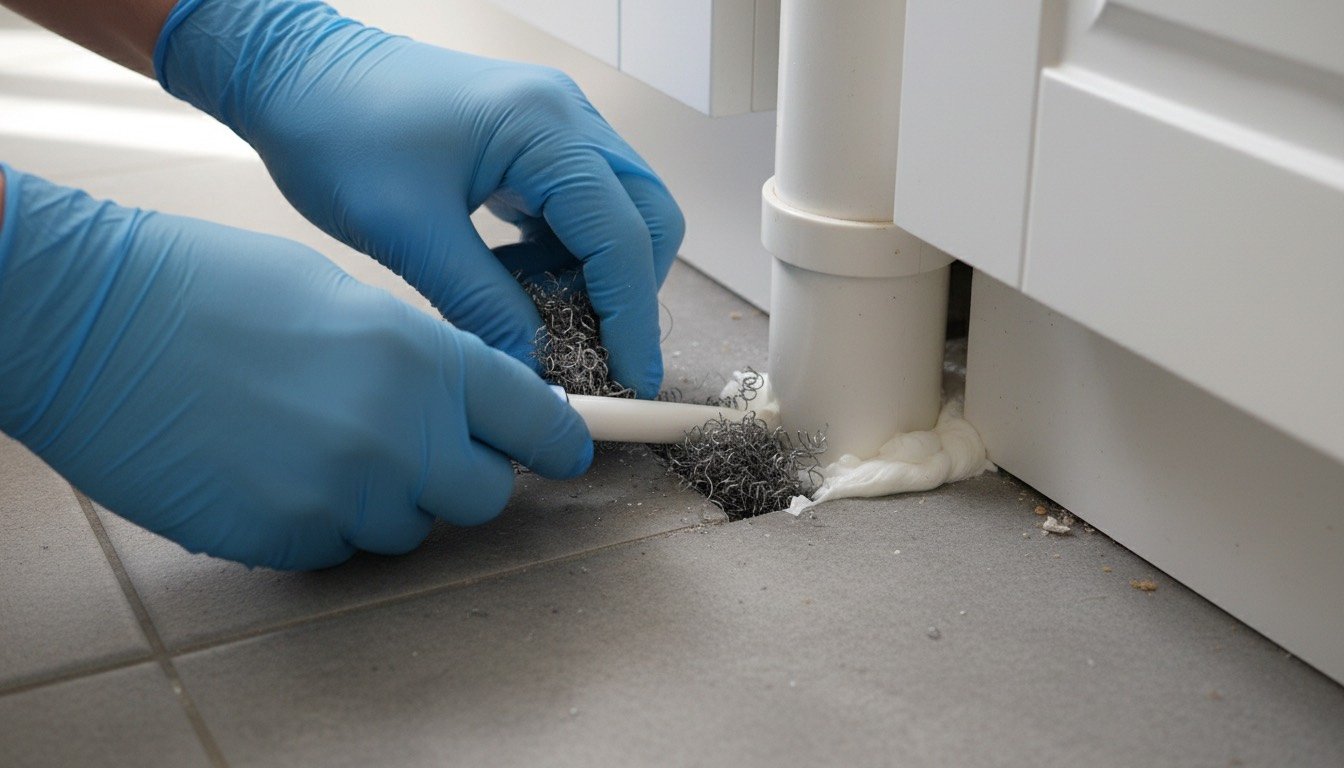
- •Do it yourself, carefully: fleas (whole-house spray plus a vet product for the pet), carpet moths in one room, and all physical proofing — wire wool and mortar, brush strips, 6mm stainless mesh over airbricks
- •Call a professional: bed bugs, German cockroaches, any rodent problem outliving two weeks of your own effort, and wasp nests above ladder height or where someone has a sting allergy
- •Never yours to touch: bats. Every UK species and its roost is protected under the Wildlife and Countryside Act 1981 — do not block, disturb or treat a roost; ring the Bat Conservation Trust helpline
- •Also protected: nesting birds in season and badgers year-round, so proofing waits or needs a licence
- •Grey squirrels are legal to trap, illegal to release. If you cannot dispatch one humanely and immediately, it is a professional job
- •Second-generation rodenticides are barred from amateur outdoor use under the CRRU stewardship scheme, so outdoor rat baiting is professional-only
Sanity-Checking a Quote, and How We Priced This
Insects in one room are usually yours. Anything that travels between properties, lives in the roof, or needs a product you cannot legally buy is not. If you rent, none of it is your bill — an infestation generally makes a property unfit under the Homes (Fitness for Human Habitation) Act 2018 unless you caused it. Check for damp and mould too, since silverfish, booklice and squirrels all follow moisture and soft timber.
The figures here come from domestic quotes and invoices across England, Wales and Scotland in the twelve months to spring 2026, weighted towards independent firms rather than franchises, which price 15–25% higher. Ranges are the middle 80% of what we saw; assume 3–5% drift a year and budget it with your annual home maintenance.
- •Is VAT included? The commonest reason two quotes look 20% apart
- •How many visits does the price cover, and what happens on visit four?
- •Is proofing quoted separately with a materials list? 'We'll seal the gaps' is not a specification
- •What is the guarantee in writing, and what voids it?
- •Is the technician RSPH/BPCA Level 2 qualified and the firm a BPCA or NPTA member? Ask for the number, not the van logo
- •Anything over 40% above these ranges without a stated reason earns a second quote
Found this useful?
There's plenty more — hundreds of guides and honestly-tested product reviews for every corner of your home.
Browse All Guides