Roofing & Exterior · 6 min read · 8 July 2026
How to Waterproof a Basement or Cellar: The UK Step-by-Step Guide (With Real Costs)
Water in a cellar is a drainage problem that has been ignored long enough to reach the brickwork. Here is the order to fix it in, what each stage really costs, and the point where DIY stops.
By the Nims Casa editorial team — written from professional cleaning experience and checked against our editorial standards.
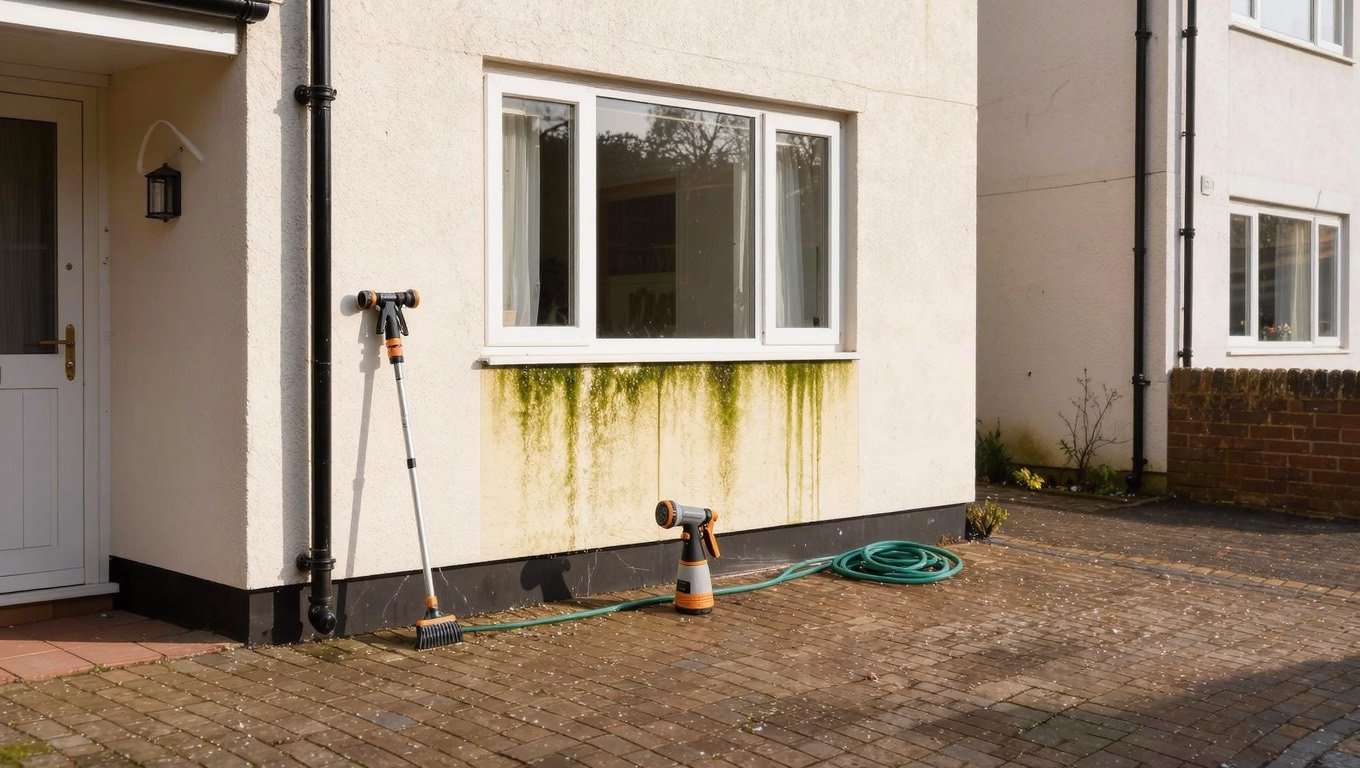
The most expensive mistake in this job is treating the inside first. Most British cellars get wet because of something outside: a cracked gully, a downpipe soaking into soil, or ground raised by decades of added patio slabs. Seal the inside while that continues and the water simply finds the next weak point.
Most UK cellars are solid brick below ground with no membrane under the floor — built to breathe and store coal, not to be lived in. Converting one falls under BS 8102:2022, and a proper system in a 15 m² cellar lands between £5,000 and £9,000, around 60% of it labour. Our basement waterproofing cost breakdown gives ranges by room size.
Safety and the legal lines you cannot cross
A cellar is badly ventilated, full of ageing services, and concentrates anything heavier than air. Two points below are legal requirements, not advice.
- •Radon: basements concentrate it, and much of Devon, Cornwall and Derbyshire is affected. A UKHSA-approved kit costs £50; test before sealing a cellar you will use.
- •Asbestos: pre-2000 flue pipes, artex and bitumen tiles are all plausible. Sample anything suspect at £40–£70 rather than breaking it.
- •Dust: grinding render releases respirable silica. FFP3 mask, M-class vacuum on the tool, door open throughout.
- •Electrics: new basement circuits are notifiable under Part P. A sump pump needs its own certified RCD-protected supply — £180–£350.
- •Structure: lowering a floor means underpinning, Building Regulations approval and, in a terrace, a Party Wall etc. Act 1996 notice two months ahead.
- •Discharge: a sump cannot legally enter a combined foul sewer without your water company's consent. Use surface water or a soakaway 5 m from the building.
Work out which water you have before you spend anything
The system you need depends on whether water arrives under pressure or merely seeps. Get it wrong and a £3,000 tanking job blows off the wall in the first wet winter. Chalk and date the wet patches, then photograph after heavy rain and after a dry fortnight.
- •White fluffy efflorescence on dry brick: slow seepage, usually manageable once the outside is sorted.
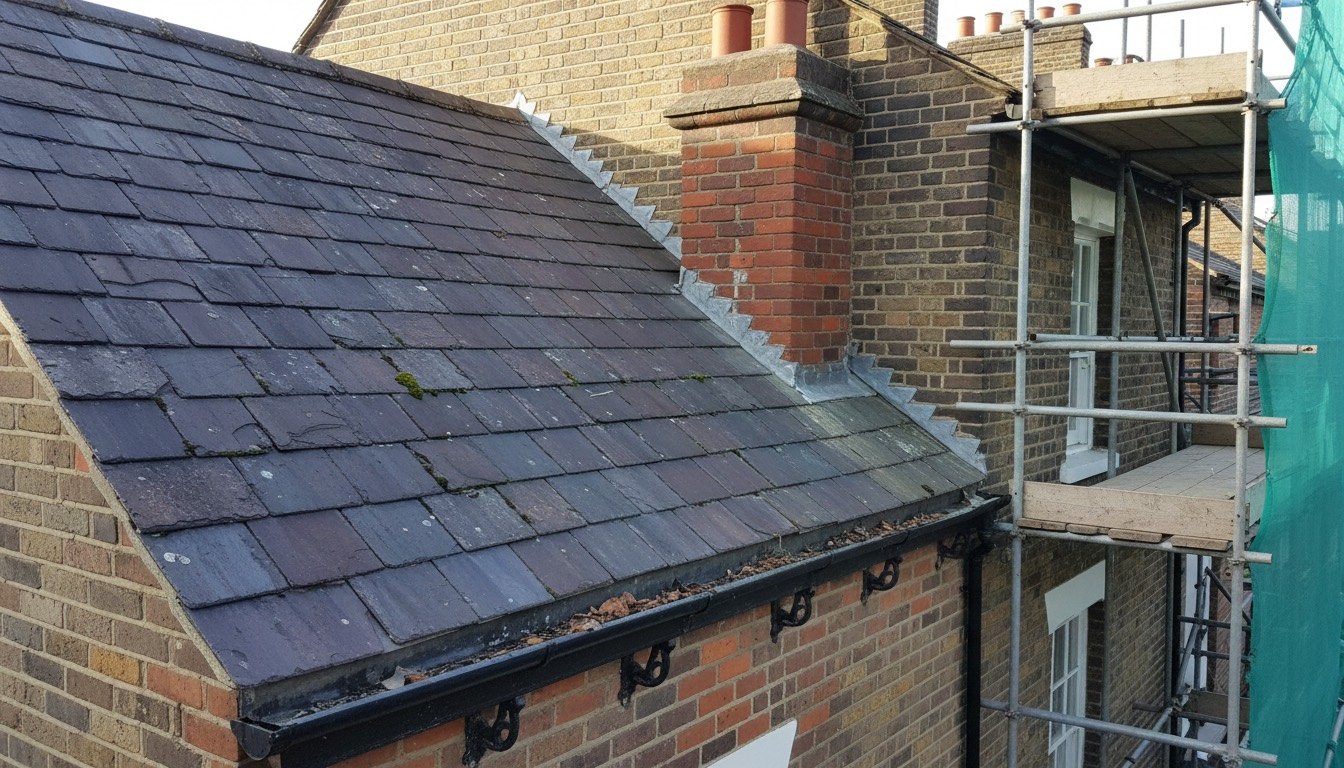
- •Water within an hour of heavy rain, always the same spot: a failed gully, downpipe or drain run. Gutter cleaning and maintenance is the cheapest damp prevention there is.
- •Water rising through the slab or spurting at the floor-to-wall joint: hydrostatic pressure. Barrier tanking fails here — you need a drained system.
- •Beads on cold walls and a musty smell with no seasonal pattern: condensation, not ingress. Compare with identifying mould in a basement.
- •Staining following a stepped crack: possible movement. Read how to tell if a foundation crack is serious first.
Tools, materials and what each item costs
For a Type C drained system in a 15 m² cellar, at 2026 merchant prices including VAT.
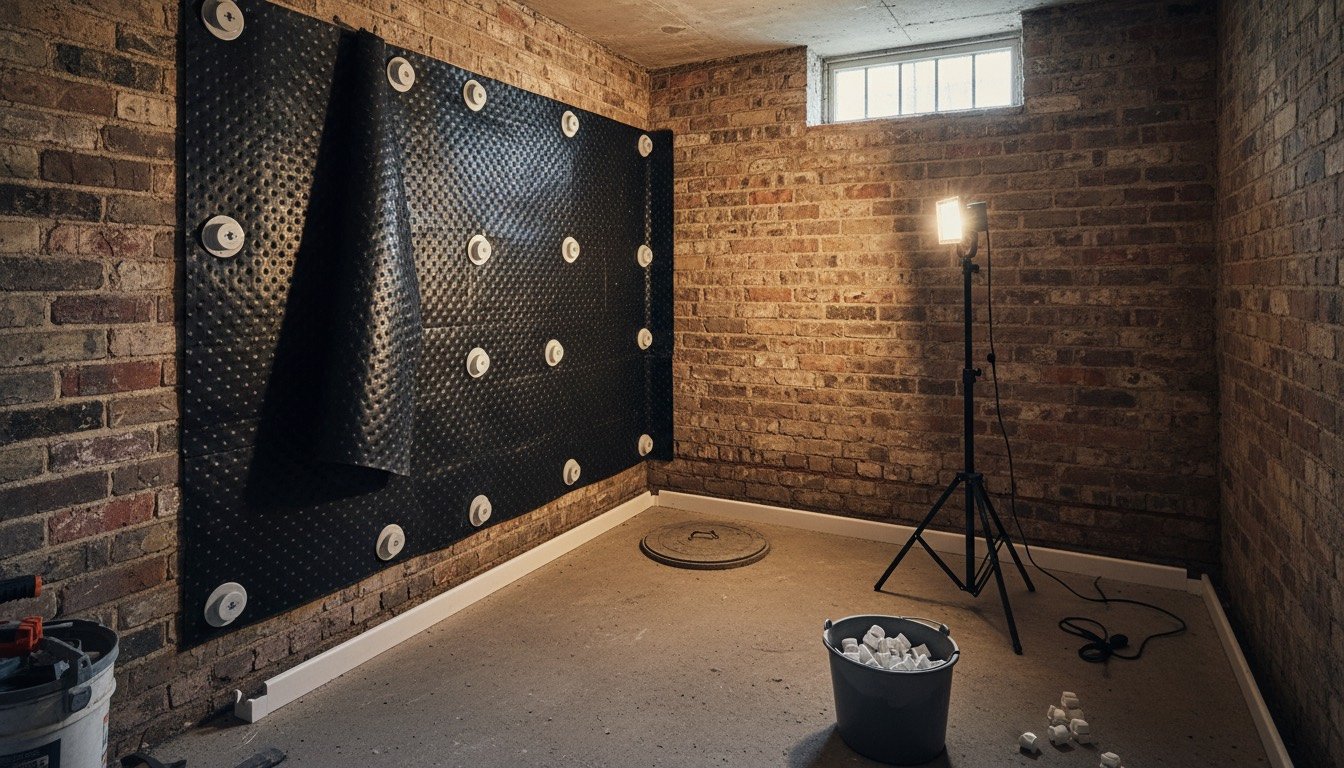
- •8 mm studded cavity drain membrane, 2 m × 20 m roll: £190–£270 and that cellar takes two, plus £120–£200 in plugs, butyl rope and jointing tape.
- •Perimeter drainage channel with jetting eyes: £9–£15 per linear metre.
- •Sump chamber, pump and float switch: £450–£900; a twin pump with battery backup adds £700–£1,400. Sump pump installation costs covers fitted prices.
- •SDS drill, dust extraction, M-class vacuum, FFP3 masks and laser level: £150–£250 a week to hire, plus £220–£340 for an 8-yard skip.
- •Type A alternative: cementitious tanking slurry, £32–£48 per 25 kg bag covering about 3.5 m² in two coats.
Realistic time, cost and how to read a quote
Two worked examples. A 15 m² Victorian cellar, Type C membrane to walls and floor with one sump and battery backup: materials £1,900–£2,600, labour four to five days for two people at £420–£620 a day. Total £5,500–£7,800 before a guarantee. A 40 m² basement finished to habitable Grade 3 with twin pumps and electrics: £14,000–£22,000, of which £8,500–£13,000 is labour.
That split is the number to hold onto. Type C runs at roughly 55–65% labour and 35–45% materials; Type A tanking with a render coat is nearer 70% labour. If a quote arrives as one lump sum, ask for the breakdown — a legitimate firm gives it without complaint.
A sound quote names the BS 8102 grade, the system type, the pump model, the guarantee term and whether it is insurance-backed. That backing costs £250–£600 and is the only part that survives the company folding. Treat as suspect: a free same-day survey that becomes a signature request, a discount expiring that evening, a chemical damp-proof course injected into a wall under lateral pressure, or any price under £120 per m².
The method, step by step
Four to six working days for a 15 m² cellar, spread over a fortnight to allow drying. Competent DIY for the membrane; specialists for the sump and electrics.
- •1. Fix the exterior first: re-bed gullies, repair downpipes, lower raised ground, re-point failed joints at £45–£75 per m².
- •2. Empty the cellar and run a dehumidifier for seven to ten days to set a dry baseline.
- •3. Hack loose plaster and render back to sound brick, then repair open joints with a 3:1 sand-cement mix. Gypsum below ground holds salts and re-wets forever.
- •4. Chase the perimeter channel at the floor-to-wall junction, 100 mm wide by 75 mm deep, falling 1:100 to the sump.
- •5. Bed the sump chamber on 20 mm pea shingle so groundwater enters freely, then run the discharge to its legal outfall.
- •6. Fix wall membrane top-down, studs to the wall, plugs at 400 mm centres, 100 mm laps sealed with tape and butyl rope.
- •7. Lay floor membrane, tape every joint and dress it into the channel — sloppy work here returns as a wet edge two winters later.
- •8. Fit pump, float switch and high-water alarm, and have the electrician certify the dedicated circuit.
- •9. Test with 50 litres poured into the channel: the pump should cut in, clear it and cut out cleanly.
- •10. Board over the membrane on independent metal studs, never screwing through it, and diarise a service at twelve months.
Troubleshooting the failures we see most
- •Damp at the base of a finished wall: floor membrane not dressed into the channel, or a plug through a lap.
- •Pump cycling every few minutes in dry weather: a leaking non-return valve or a float set too low — see why a sump pump keeps running.
- •Musty smell despite a dry system: no ventilation. Fit an extract fan or hold a dehumidifier at 55% relative humidity.
- •Tanking render bulging or sounding hollow: hydrostatic pressure behind a Type A system, which patching will not save.
- •White salting through new finishes: gypsum below ground, or a wall boarded wet.
When to stop and call someone
Hand it over the moment you see standing water returning within hours of pumping, a crack over 5 mm or one that has moved since you marked it, any proposal to lower the floor, or a cellar you intend to sell as habitable space. In that last case solicitors ask for the guarantee, and a self-installed system has none.
Use a surveyor with CSSW accreditation through the Property Care Association and pay £250–£500 for an independent survey, not a free one from the firm hoping to win the work. It tells you which system type you need before anybody quotes.
Found this useful?
There's plenty more — hundreds of guides and honestly-tested product reviews for every corner of your home.
Browse All Guides