Heating & Cooling · 6 min read · 14 August 2026
Is Air Conditioning Bad for You? What the Evidence Actually Says
Colds, Legionella, ruined skin — air conditioning gets blamed for a lot. Here's what the evidence supports, and a quick diagnostic to work out which problem you actually have before you fix anything.
By the Nims Casa editorial team — written from professional cleaning experience and checked against our editorial standards.
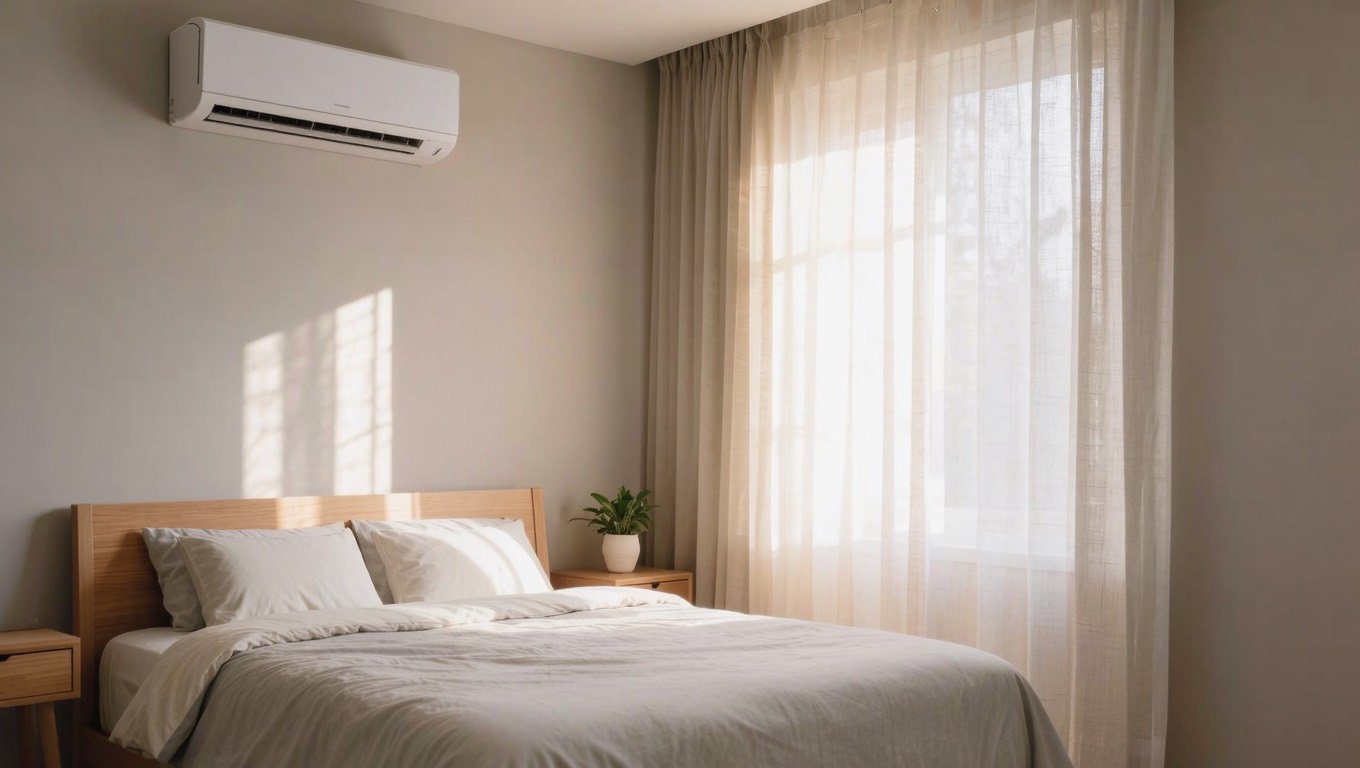
Every heatwave brings the same scare stories: air conditioning gives you colds, harbours Legionnaires' disease, wrecks your skin and stiffens your neck. After years of servicing split systems in UK homes, our view is that the machine is rarely the problem — a clean, sensibly set unit is one of the safest appliances in the house, while a neglected one run at 18°C with the louvres aimed at your pillow genuinely can make you feel rough.
This guide sets out what the evidence supports, with a diagnostic path to work out which of the four real issues — dry air, a dirty unit, a direct draught or temperature shock — is behind your symptoms before you fix the wrong one.
The short answer
Air conditioning is not inherently bad for you. Cooling air does not create viruses, and the refrigerant never mixes with the air you breathe — it stays sealed in the copper circuit. Research into sick building syndrome shows symptoms track maintenance and settings, not the technology. At home you control the cleaning schedule and the thermostat — and therefore almost all of the risk. If the unit runs but the room never cools, that is a performance fault, not a health question — work through our air con not cooling troubleshooter instead.
Work out which problem you actually have
Before you change anything, match your symptoms to the likely cause. Run the unit for an hour in a closed room and note what you feel:
- •Dry, gritty eyes, a scratchy throat, static shocks, chapped lips — dry air. The unit is doing its job; the humidity has simply dropped too far.
- •A musty smell on start-up, sneezing that eases when you leave the room — a dirty filter or mould on the coil and drain tray. A cleaning job, not a fault.
- •Stiff neck, one cold shoulder, a headache on one side — the louvres are aimed at you. Redirect the airflow; don't blame the temperature.
- •Shivering indoors, then sluggish and headachy when you step outside — temperature shock. Your set point is too low for the conditions.
- •Symptoms at the office but never at home — the building's plant, not yours. Raise it with facilities; nothing in your home needs fixing.
Dry air: the one justified complaint
Cooling air condenses moisture out of it — that is why every unit has a condensate drain. A long run can pull indoor relative humidity from 60 per cent to below 40, where most people notice dry eyes, irritated sinuses and static — contact lens wearers feel it first. The fix costs nothing: keep the set point at 23–24°C so the compressor cycles off, run shorter sessions and leave the door ajar. A £10 hygrometer from Screwfix will tell you — if you are regularly below 40 per cent, our guide to the ideal indoor humidity level covers the remedies.
Dirty filters and mouldy coils: the real 'air con cold'
Colds come from viruses, not cold air. But the congestion and sneezing people blame on air conditioning is often real — an allergic response to what a neglected unit blows around. The filter mesh loads up with dust and pollen, and the cold, wet evaporator coil and drain tray grow mould wherever condensate sits. Every service engineer has opened a unit untouched for three years and found the coil black.
The remedy is twenty minutes of DIY. Wash the filter screens in warm soapy water monthly through summer, and clean the coil and tray each spring with an antibacterial coil cleaner at £8–£12 a can — our guide on how to clean an air conditioner walks through the full routine, and the same thinking applies to how often you change air filters elsewhere. A professional service — typically £60–£90 per split, every one to two years — covers the deep clean and a refrigerant check.
Legionella: myth versus reality
Legionnaires' disease is the frightener most often attached to air conditioning, and for domestic units it is essentially a myth. Legionella bacteria need warm stored water, roughly 20–45°C, aerosolised into breathable droplets; the outbreaks you read about trace back to large evaporative cooling towers, spa pools and neglected hot water systems — never to a bedroom split. A domestic split or portable stores no warm water at all: the coil runs cold, and condensate drains away rather than being sprayed into the air. If the tank in a portable sits full for months, empty and rinse it — good hygiene, but a housekeeping point rather than a disease risk.
Temperature shock and sensible settings
Walking from a 34°C street into an 18°C room forces rapid vasoconstriction, and some people respond with headaches; repeated cycling between extremes leaves you drained. A direct cold draught also stiffens muscles — the classic 'air con neck'. None of this is dangerous for a healthy adult, but all of it is avoidable:
- •Set 23–24°C in a heatwave — no more than 6–8°C below the outdoor temperature.
- •Angle the louvres upward or use swing mode; never let the stream hit a bed, sofa or desk chair directly.
- •Use sleep or eco mode overnight — it lifts the set point 1–2°C after you drop off.
- •Leave fan speed on auto for gentler circulation, less noise and less draught.
The other side: when air conditioning protects you
The evidence in air conditioning's favour is stronger than the evidence against it. The UK Health Security Agency recorded around 3,000 excess deaths in England in the 2022 heatwaves, when 40°C was passed for the first time; cooling one bedroom is among the best protections for elderly or vulnerable people. Sleep research is consistent — people fall asleep faster and wake less at 17–20°C than at 26°C-plus. A running unit also filters recirculated air, cutting indoor pollen — hay fever sufferers often sleep better with the window shut and the unit on. Running costs are modest: a 2.5kW bedroom split draws 0.7–0.9kW while cooling — roughly 18–25p an hour at 2026 prices — and far less once the room is at temperature. Pair it with our guide to improving indoor air quality and a well-kept unit is a clear net gain in a UK summer.
Quick FAQs
- •Can air conditioning make you ill? Indirectly — a dirty unit can trigger allergy-like symptoms, and over-dried air irritates eyes and throat. A clean unit at a sensible set point does neither.
- •Is sleeping with air conditioning on bad for you? No — provided the draught is not aimed at you and the set point stays at 22°C or above; sleep mode handles this.
- •How often should a home unit be serviced? Wash the filters monthly in summer; book a professional service every 12–24 months at £60–£90 per split.
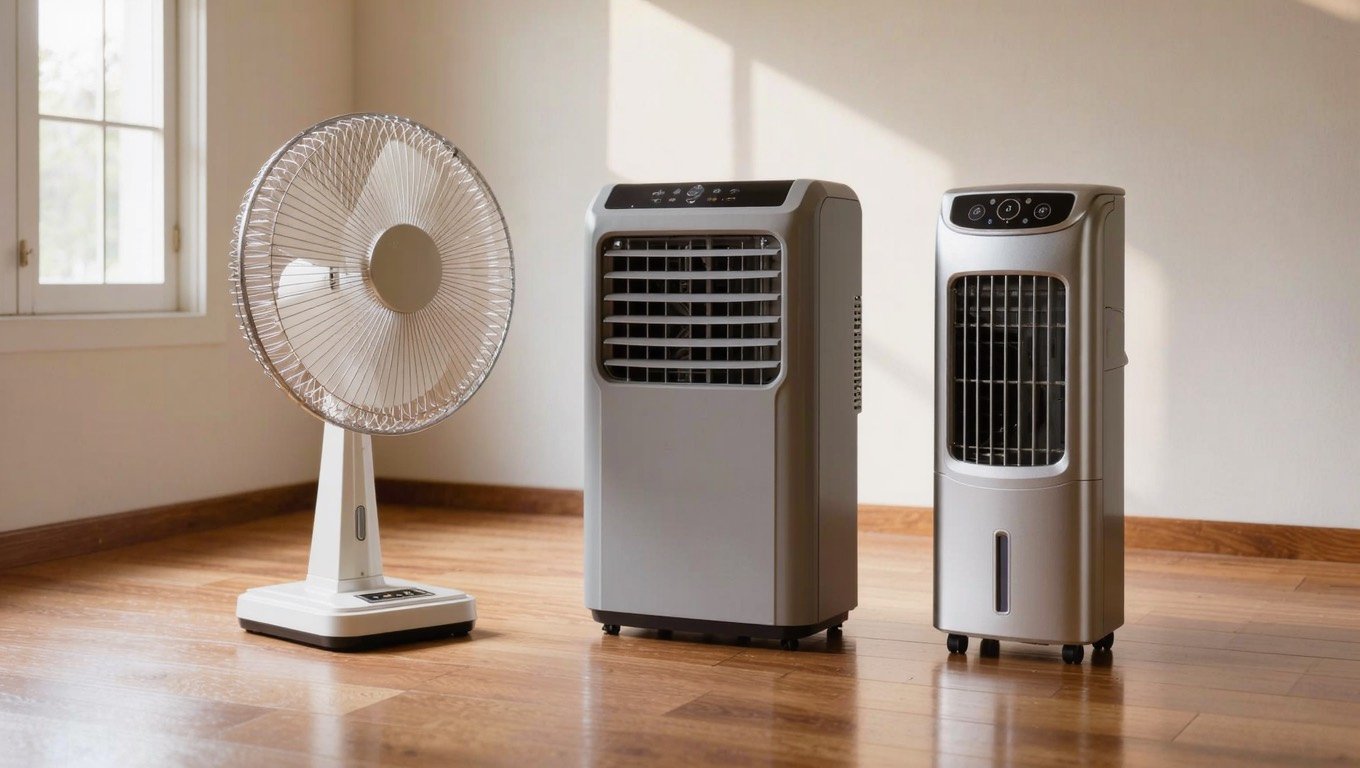
- •Do portable units carry the same risks? Broadly yes, plus a condensate tank to empty. Their bigger drawback is noise — 55–65dB disturbs sleep more than any health factor.
- •Why do I only feel unwell in air-conditioned offices? Large buildings run central plant you cannot inspect, often colder and drier than you would choose. Your symptoms are real but the building's problem — not proof home air conditioning harms you.
Found this useful?
There's plenty more — hundreds of guides and honestly-tested product reviews for every corner of your home.
Browse All Guides