Home Decor · 6 min read · 28 April 2026
Lighting Layers: The Designer's Guide to Making Every Room Feel Right
Rooms rarely have a furniture problem — they have a lighting problem. The three-layer system, the bulb numbers that matter, and the case against the Big Light.
By the Nims Casa editorial team — written from professional cleaning experience and checked against our editorial standards.
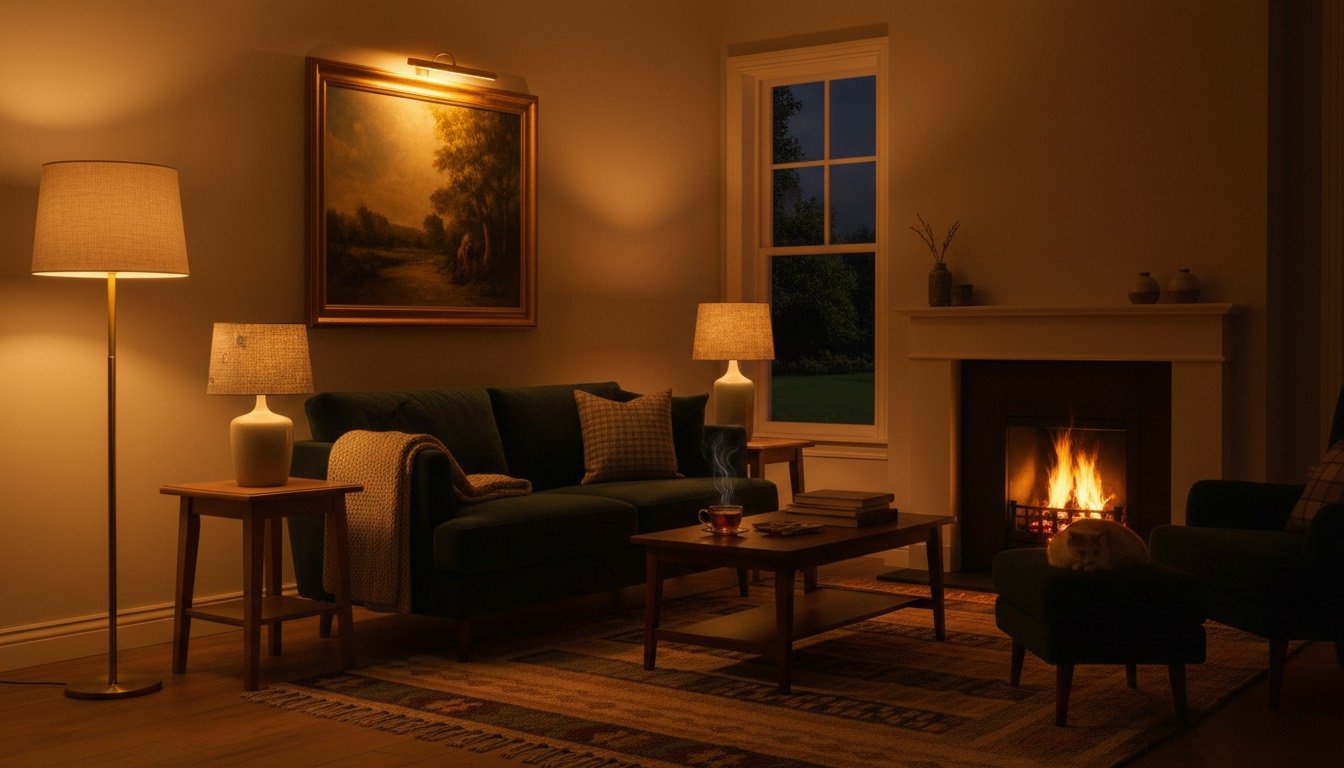
Walk into a room that instantly feels expensive and count the light sources — it's never one. Rooms that feel flat in the average UK home are rarely under-furnished; they're under-lit, doing all their work through a single ceiling pendant. Decorators build light in three layers — ambient, task and accent — and that layering is what makes a room feel warm and finished once the sun goes down.
This guide covers what each layer does, the colour temperature and lumen numbers that separate a cosy room from a clinical one, a step-by-step layering method, realistic 2026 UK prices, the mistakes that undo a good layout, and where DIY stops and an electrician should take over.
None of it needs rewiring or a large budget. Most of the change comes from swapping bulbs, plugging lamps into sockets that already exist, and being deliberate about where light falls.
The Three Layers, Decoded
A finished room needs all three layers working together, rather than one turned up to compensate for the other two.
- •Ambient — the general fill. Usually the ceiling fitting, but dimmed and warm, or better still several lamps summing together instead of one central pendant. The main ceiling light alone flattens every texture a room owns; treat it as a utility for cleaning, not for living in.
- •Task — light for doing. The reading lamp beside the chair, LED strips under kitchen units, a desk lamp, mirror-flanking bathroom light. Task light close to the activity beats brighter light from the ceiling.
- •Accent — light as decoration. A picture light over art, a lamp glowing in a dark corner, shelf lighting inside an alcove, candles on a mantelpiece. Accent layers are what photograph as 'cosy'.
- •The working minimum for a living room is five separate light sources — a pendant, two table lamps, a floor lamp and a picture light adds up faster than expected.
Colour Temperature and Lumens: The Numbers That Actually Matter
Two figures on the box matter more than the brand name. Colour temperature is measured in kelvins: 2700K ('warm white') is the standard for UK evenings, giving the amber, candle-like glow that skin tones and wood both suit. 4000K ('cool white') belongs in garages and dental surgeries, not living rooms — mixing temperatures within one room is the commonest lighting mistake we see. Our daylight vs soft white bulbs guide covers the differences room by room.
Brightness is measured in lumens, not watts — old incandescent figures don't translate to LEDs. As a rough guide, a mood lamp wants 400-500 lumens and a reading lamp wants 800 or more; our lumens guide has exact totals by room. Buy dimmable LEDs and fit dimmers to sockets or switches — evening light should fall as the night goes on, and smart bulbs let the whole system schedule itself.
How to Layer a Room, Step by Step
Layering a room from nothing follows the same order every time, whether it's a rental with two sockets or a full rewire.
- •Map existing sockets first. Most UK rooms have more sockets than lamps — note every point you could plug a lamp into before buying anything.
- •Fix the ambient layer. Swap the main bulb for a warm, dimmable LED and add a dimmer; if the ceiling fitting is the only source, add a table lamp too.
- •Add task light exactly where an activity happens — beside the chair, over the hob, either side of the mirror — rather than relying on ambient light to stretch across the room.
- •Build the accent layer last. Find the darkest corner and put a lamp or picture light there; it's the single move that makes a room look larger after dark.
- •Count sources: five for a living room, three or four for a bedroom, is the realistic minimum.
- •Test at night. Dim the ambient layer and check task and accent light hold up on their own. For a full wiring-level walkthrough, see how to layer lighting in a room.
Tools, Fittings and Typical 2026 UK Costs
- •Dimmable warm-white LED bulbs (2700K): roughly £4-£9 each for a decent brand.
- •Plug-in or smart dimmer switch: £12-£25 for a basic plug-in unit, £35-£60 for an app-controlled version — see our smart home setup guide.
- •Table or floor lamp: £25-£80 for a straightforward design, more for a statement piece.
- •Picture light or LED shelf strip: £15-£40 for a plug-in picture light; strip kits with a driver run £20-£45.
- •Retrofit dimmer switch fitted by an electrician: parts £10-£20, labour typically £60-£120.
- •Smart bulbs (hub-free, Wi-Fi): £8-£18 each, often the cheapest way to add scheduling without new wiring.
Room-by-Room Lighting Recipes
- •Living room: pendant or downlights on a dimmer for ambient, a reading lamp beside the favourite seat for task, and a floor lamp plus a picture light for accent — five sources minimum.
- •Bedroom: a dimmed ceiling fitting for ambient, matching bedside lamps for task and reading, and a warm strip behind a headboard for accent.
- •Kitchen: ceiling or recessed downlights for ambient, LED strips under wall units for worktop task light, and a pendant over an island for a softer evening layer.
- •Bathroom: a dimmable ceiling fitting for ambient, IP-rated lights either side of the mirror for task light, and a low-level nightlight for accent that doesn't wake the house at 2am.
- •Hallway and stairs: often the most under-lit space in a home — a dimmed ceiling point for ambient plus one wall light or console lamp lifts it from functional to welcoming.
Common Lighting Layering Mistakes
- •Relying on the Big Light alone. One bright, unshaded ceiling fitting with nothing else running is the single biggest reason a room feels cold after dark.
- •Mixing colour temperatures. A 4000K downlight beside a 2700K lamp reads as a fault, not a design choice.
- •Under-lighting corners. Light pooled only around seating leaves the edges of a room in shadow, which visually shrinks the space rather than opening it up.
- •Buying fittings before fixing bulbs. A beautiful lamp with the wrong temperature or too few lumens undoes its own styling; sort the numbers first, the shade second.
- •Skipping dimmers. Fixed-brightness LEDs stick a room at one mood all evening; a £15 dimmer does more for atmosphere than most furniture. See our common lighting mistakes guide for more.
When to Call an Electrician
Swapping a bulb, plugging in a lamp or adding a plug-in dimmer needs no qualification. Anything involving a switch plate, a new socket, a fixed ceiling light, or cable to a new position falls under Part P of the Building Regulations and should go to a registered electrician — both for safety and because unregistered work can complicate a home sale.
Bathrooms carry extra rules: lighting within the zones around a bath or shower must carry the correct IP rating, and that wiring should always be professional. Planning several new fittings? Get a quote first — see our guide to electrician costs for realistic 2026 UK rates by job.
Frequently asked questions
**Can I add lighting layers without any rewiring?** Yes — most of the transformation comes from plugging lamps into existing sockets, swapping bulbs for warm dimmable LEDs, and adding plug-in dimmers, none of which needs an electrician.
**Why does my room look worse with more lights on?** Almost always a mixed colour temperature problem — a cool white bulb clashing with warm bulbs elsewhere reads as messy rather than bright, even though every light is doing its job.
**Do smart bulbs replace the need for dimmer switches?** Largely, yes. A Wi-Fi smart bulb gives you dimming and scheduling from an app without touching the wiring, making it the easiest upgrade for rented homes.
**How many lumens does a small living room actually need?** Once every layer is totalled, a small living room typically needs 1,500-3,000 lumens combined; see our lumens guide for figures by room size.
**Is warm white always the right choice at home?** For living spaces and bedrooms, yes — 2700K is the standard. Kitchens and bathrooms can run slightly cooler without tipping into a clinical range.
Found this useful?
There's plenty more — hundreds of guides and honestly-tested product reviews for every corner of your home.
Browse All Guides