Costs & Hiring · 6 min read · 23 July 2026
New Construction vs Fixer Upper: The Honest UK Cost, Risk and 10-Year Comparison
Two buyers, one budget, two very different decades ahead. Here is what a new build and a proper fixer-upper actually cost over ten years in the UK, and which risks land on you.
By the Nims Casa editorial team — written from professional cleaning experience and checked against our editorial standards.
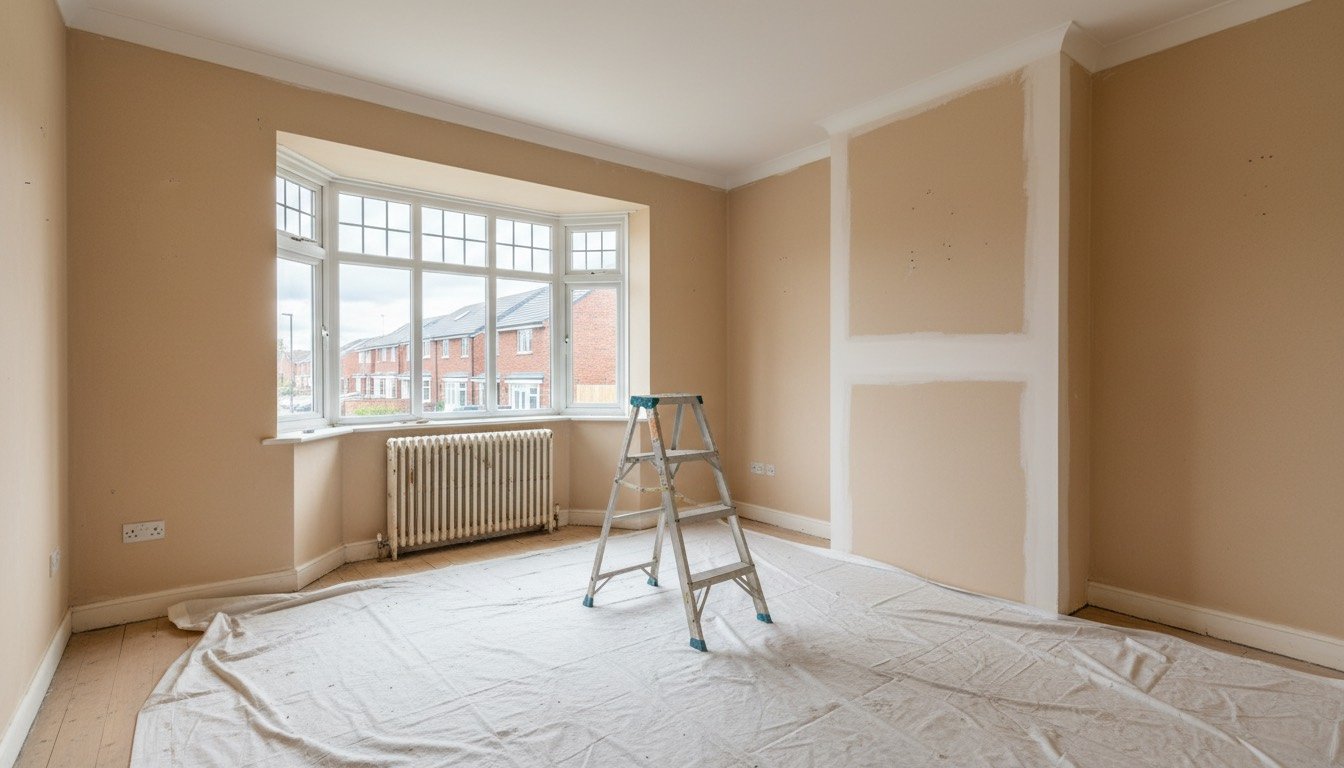
Two buyers, the same £320,000, the same commuter town. One takes a three-bed new build with a ten-year warranty and turf laid over builder's rubble. The other takes a 1930s semi with a weeping valley gutter, a consumer unit that predates the millennium and a kitchen last touched in 1998. A decade on, the financial gap between them is far narrower than either expected. The lost Saturdays are not.
The right answer depends less on the houses than on your cash reserves and how honest you are about what you can actually do yourself. Here is the comparison as a surveyor and a working builder would set it out.
New construction vs fixer upper: the side-by-side
- •Purchase price: new builds carry a 10–20% premium over comparable second-hand stock in the same postcode. A fixer-upper buys more floor area per pound; you pay the difference later, to trades.
- •Immediate spend: a new build needs £2,000–£6,000 for flooring, blinds, turf and a snagging survey. A tired three-bed semi needing rewire, boiler, roof and kitchen absorbs £25,000–£90,000.
- •VAT: renovation work attracts 20% VAT, but a home empty for two years or more qualifies for the 5% reduced rate — worth £4,500 on a £30,000 job, and routinely missed.
- •Running costs: an EPC B new build costs roughly £900–£1,300 a year to heat and light. A D or E-rated 1930s semi runs £1,700–£2,600 until you upgrade the fabric.
- •Space: a modern estate three-bed averages 85–95 m². A 1930s semi of the same bedroom count is usually 100–115 m², on a deeper plot.
- •Risk: new build risk is snags, delays and estate charges — bounded. Fixer-upper risk is whatever sits behind the plaster, and it never comes in under budget.
Performance: warmth, noise and proportions
On thermal performance the new build wins outright. Successive uplifts to Part L mean a post-2022 house hits airtightness levels an interwar property only approaches after £15,000 of retrofit. You feel it in January: a new build holds heat overnight, a solid-wall semi does not.
The trade-offs are acoustic and structural. Timber-frame builds with plasterboard on dabs carry footfall and voices between rooms, and mounting a heavy shelf means hunting for studs rather than drilling brick. Rooms are smaller, and south-facing bedrooms overheat often enough that Part O exists to address it. The older house gives you proportions, solid walls that swallow noise and real character — alongside cold bridging, draughty sashes and damp that must be diagnosed rather than injected. Our comparison of buying an old house versus a new house goes deeper on fabric.
The ten-year cost: two worked examples
Example A: a three-bed new build semi at £310,000. Example B: a 1930s semi at £275,000, sound roof structure, everything else tired.
- •New build, ten years beyond purchase: snagging survey £450; flooring, blinds, turf and fencing £6,500; estate management charge £250 a year (£2,500); heating service from year two £810; out-of-warranty repairs £4,000; redecoration once settlement stops £2,000. Total roughly £16,300.
- •Fixer-upper, ten years beyond purchase: rewire £5,500; boiler and system £5,200; re-covering the roof, felt and battens £8,500; kitchen £9,000; bathroom £6,000; ten uPVC windows £7,500; loft top-up and draught-proofing £900; floors and decoration £7,000; contingency actually spent £6,000. Total roughly £55,600.
- •All in: £326,300 against £330,600 — close to a wash. But the fixer-upper owner ends up with 15–20% more floor area, having paid an extra £600–£900 a year to heat it for three winters.
Buying and financing: where the paths diverge
A new build runs on the developer's timetable: a £500–£1,000 reservation fee, exchange within 28 days, and a long-stop completion date you barely control. You do not commission a structural survey — you commission a snagging inspection at £300–£600, ideally before legal completion. Expect 100–250 items on the first list; that is normal.
A fixer-upper needs an RICS Level 2 report (£450–£900), or a Level 3 building survey at £700–£1,500 for anything pre-1930 or visibly neglected — see our breakdown of what a home survey costs. Lending is the bigger hurdle: a house with no working kitchen or bathroom, or visible structural movement, is often declared unmortgageable, pushing you to bridging at 0.75–1.2% a month or a staged renovation mortgage. Add 15–20% contingency before you offer, and stage the spend as our guide to budgeting a home renovation sets out.
The regulation you inherit: Part P, Gas Safe and building control
A new build arrives with a building control completion certificate, an EPC and a warranty — usually NHBC Buildmark, under which the developer is liable for defects for two years, with years three to ten narrowing to structural cover only. Buy a renovation project and you inherit every undocumented alteration three previous owners made.
- •Part P (England and Wales): new circuits, consumer unit swaps and most bathroom work are notifiable. Use an electrician registered with NICEIC, NAPIT or ELECSA who self-certifies, or notify building control yourself at £200–£400. Scotland uses a building warrant. See our rewiring cost guide.
- •Gas: work on gas pipework, boilers or hobs must be done by a Gas Safe registered engineer. No DIY exemption, no grey area — doing it yourself is a criminal offence.
- •Building control: extensions, structural openings, loft conversions and replacement windows (FENSA or CERTASS) need sign-off. Missing certificates surface at your onward sale, costing £150–£400 in indemnity cover.
- •Permitted development: single-storey rear extensions of up to 3m (semi or terrace) and 4m (detached) are usually permitted, rising to 6m and 8m under prior approval. Listing, conservation area status or an Article 4 direction removes those rights — see planning permission and building regs.
- •Letting it out: landlords need an EICR every five years, an annual Gas Safety Record and an EPC at the minimum standard, currently E with C proposed for new tenancies.
Maintenance over the first decade
A new build's first two years call for vigilance, not spanners. Wet plaster needs six to twelve months to dry, so mist coat only. Settlement cracks appear over the first two heating seasons — photograph them and email the site manager rather than filling them, because a filled crack is harder to claim for.
A fixer-upper rewards sequence above everything. Roof, gutters and pointing first, then ventilation and any damp and mould traced to its source, then first-fix wiring and plumbing, then plaster, kitchen and bathroom, decoration last. Work out of order and you pay twice: fit a kitchen before the rewire and you will be chasing walls you have just tiled.
Who each suits, and the verdict
Choose a new build if your cash is tied up in the deposit, you cannot absorb a £9,000 surprise in month four, or low bills and a warranty matter more than plot size. Choose a fixer-upper if you have a real contingency, genuine skills and want more house than your budget otherwise buys.
- •Lowest running costs from day one: new build. Most floor area, garden and control over layout: fixer-upper.
- •Do fixer-uppers always make money? No. In a flat market a £55,000 renovation on a £275,000 house rarely adds £55,000 of value — it adds saleability.
- •Can you live in it during works? A rewire and a kitchen, yes, uncomfortably. A roof, re-plaster and heating replacement at once, no — budget eight to twelve weeks of rent.
Found this useful?
There's plenty more — hundreds of guides and honestly-tested product reviews for every corner of your home.
Browse All Guides