DIY & Maintenance · 6 min read · 26 July 2026
Preventive Maintenance Tasks That Save Money: Real UK Costs
Some maintenance genuinely pays for itself and some is just tidy housekeeping with an invoice attached. Here is which is which, at real UK prices, with the labour split shown.
By the Nims Casa editorial team — written from professional cleaning experience and checked against our editorial standards.
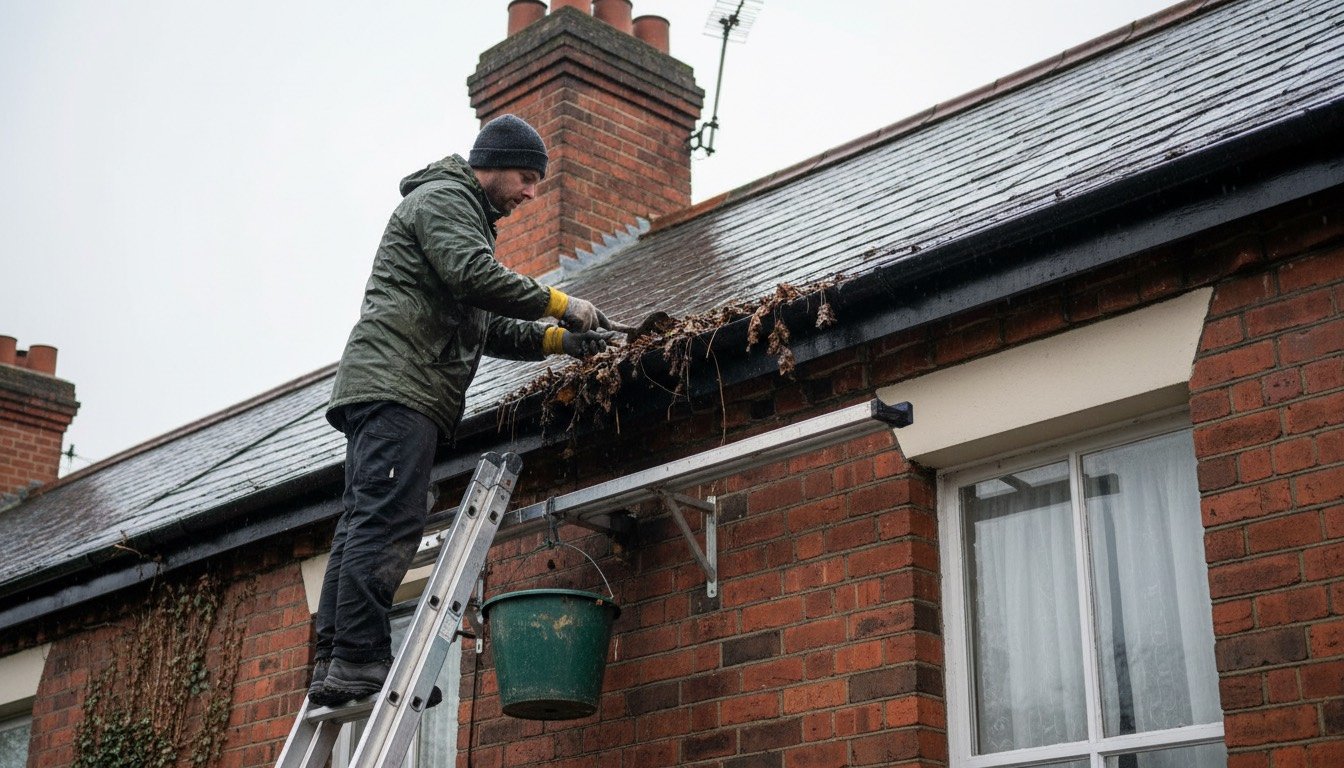
A slipped roof tile put back in September costs about £150 including the call-out. The same tile left over a British winter soaks a rafter end, stains a bedroom ceiling and becomes a £1,200 job by March. That ratio is the whole argument, and it is why trades talk about upkeep in multiples rather than percentages.
The ratio is not universal, though, and plenty of what gets sold as essential is closer to optional. What follows is which jobs earn their keep in UK housing stock, what each costs with labour and materials separated, and how to read a quote.
What preventive maintenance actually means
Preventive maintenance is scheduled work on something that still works, done to stop it failing. That separates it from reactive repair and from improvement — a new kitchen is not maintenance, however much you needed it. It splits three ways.
The third is the one people underestimate. Most UK boiler manufacturers tie their 7 to 12 year warranties to a documented annual service. Skip two years and a covered heat exchanger failure becomes a bill you pay yourself. Our guide to booking a boiler service before winter covers timing, prices and what a genuine service includes.
- •Clearing — removing what causes the wear: leaves in gutters, grease in extractor filters, silt in gullies, lint in a dryer vent.
- •Inspection — catching a failure while it is small: a perished bath seal, a wobbling fence post, a lifted ridge tile.
- •Servicing and certification — keeping a warranty or legal duty alive: the annual boiler service, a landlord gas safety check, a periodic electrical inspection.
Why the numbers escalate so fast
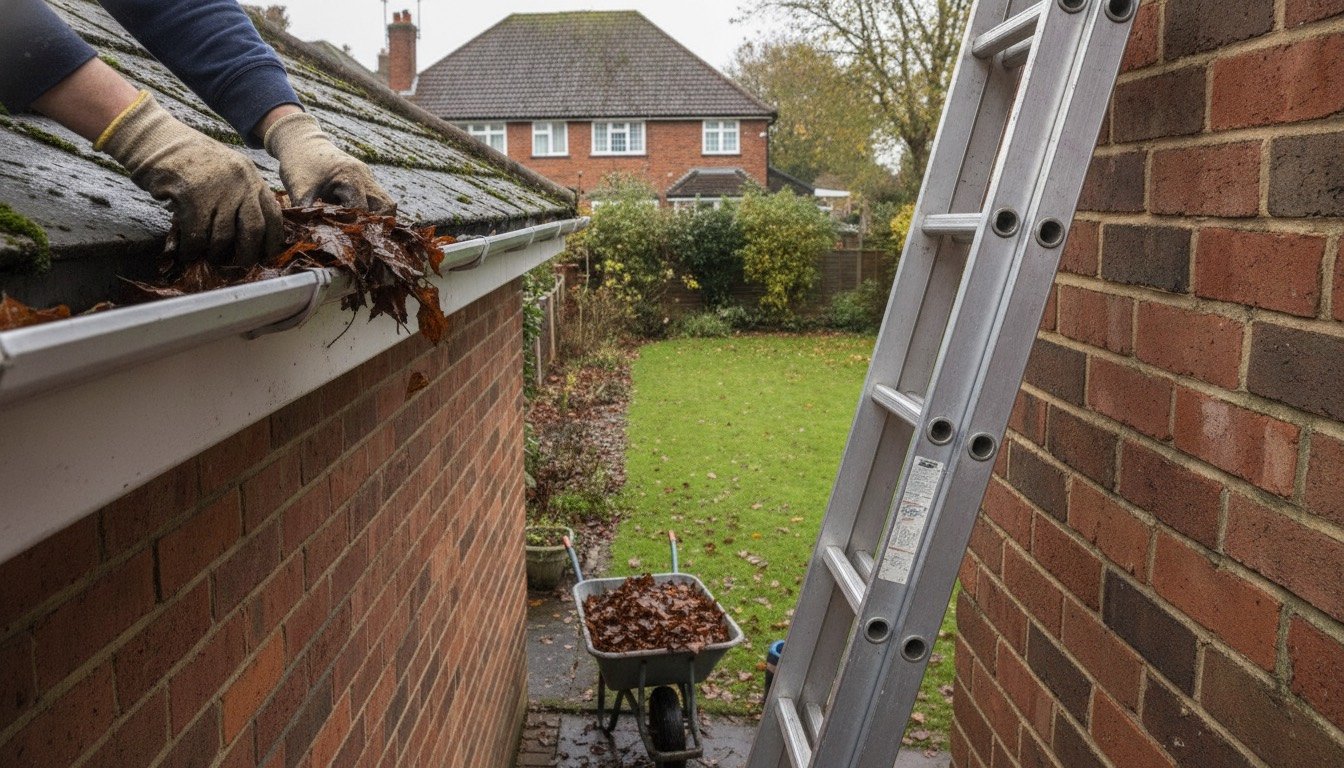
Water damage compounds in stages, and each stage roughly multiplies the last. A blocked gutter costs nothing to clear yourself and £60 to £150 to have done. Left through two wet months it saturates solid brickwork, the plaster blows internally, and you are into re-plastering at £600 to £900 per wall plus redecoration — our notes on gutter clearing and damp prevention cover how far one blockage travels.
Be honest about the other direction. An annual chimney sweep for a stove you light six times a year buys peace of mind, not savings. The test: multiply the chance of failure this year by the cost of that failure, then compare it to the cost of prevention. If prevention costs more, it is a lifestyle choice, not an investment.
The tasks that genuinely pay back
These are the jobs where the arithmetic reliably lands on the homeowner's side. Figures are 2026 typicals for a three-bedroom semi outside London; add 25 to 40 per cent inside the M25.
- •Annual boiler service — £80 to £120 by a Gas Safe engineer, protecting a warranty worth £2,000 to £3,500, the cost of a replacement combi.
- •Gutters and downpipes cleared twice a year — £0 DIY, or £60 to £150 done. Prevents damp repairs of £600 upwards.
- •Re-sealing the bath every 3 to 5 years — £12 of silicone, 90 minutes. A seal leaking into the ceiling below runs £800 to £2,500 with plasterboard, electrics and redecoration.
- •Lagging exposed pipework before the first frost — £15 to £30 in foam sleeving against a four-figure escape-of-water claim: see preventing frozen pipes.
- •Bleeding radiators and checking pressure each autumn — free, and the reason half the 'broken boiler' calls we attend in October are nothing of the sort: see bleeding radiators and re-pressurising.
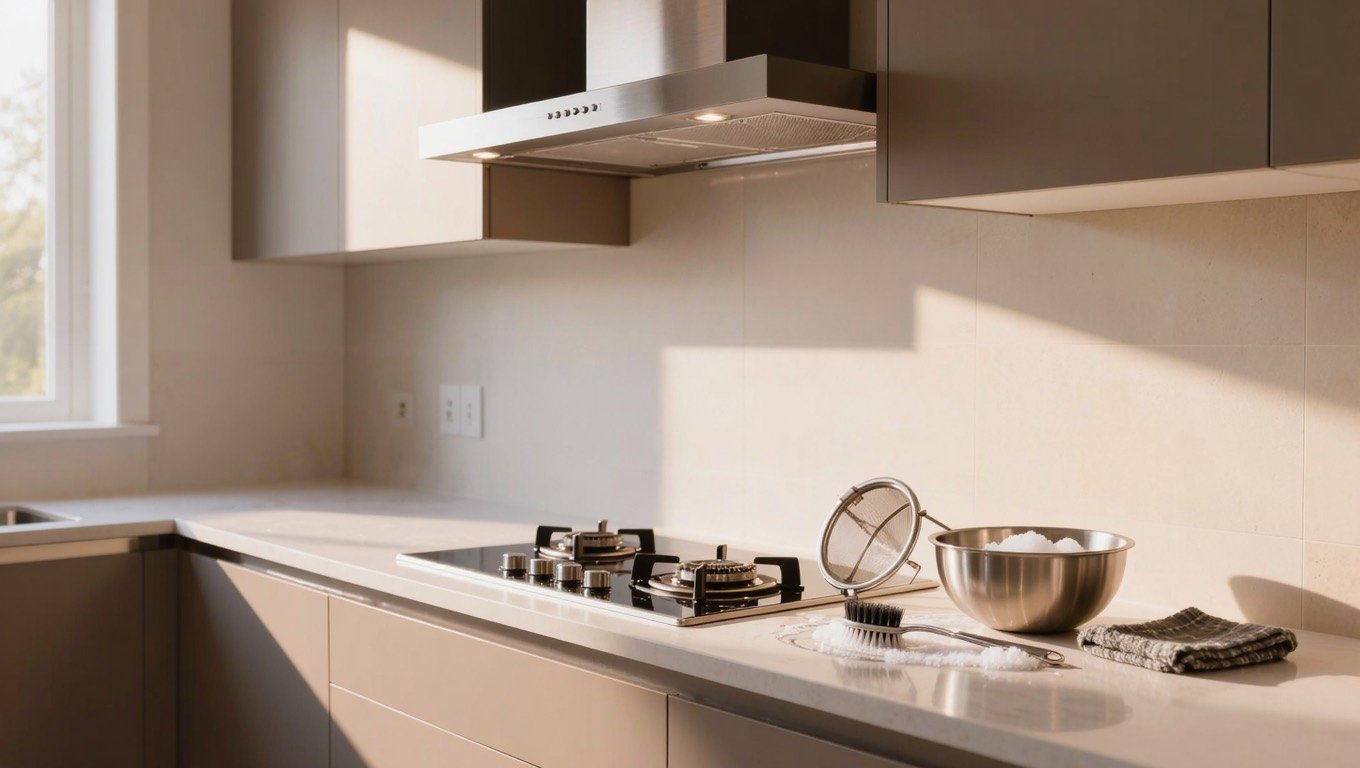
- •Descaling appliances in hard water areas — £3 for 500g of citric acid, quarterly. Adds years to a £400 washing machine across southern and eastern England.
- •Draught-proofing doors and letterboxes — £60 to £120 in materials, saving £40 to £70 a year.
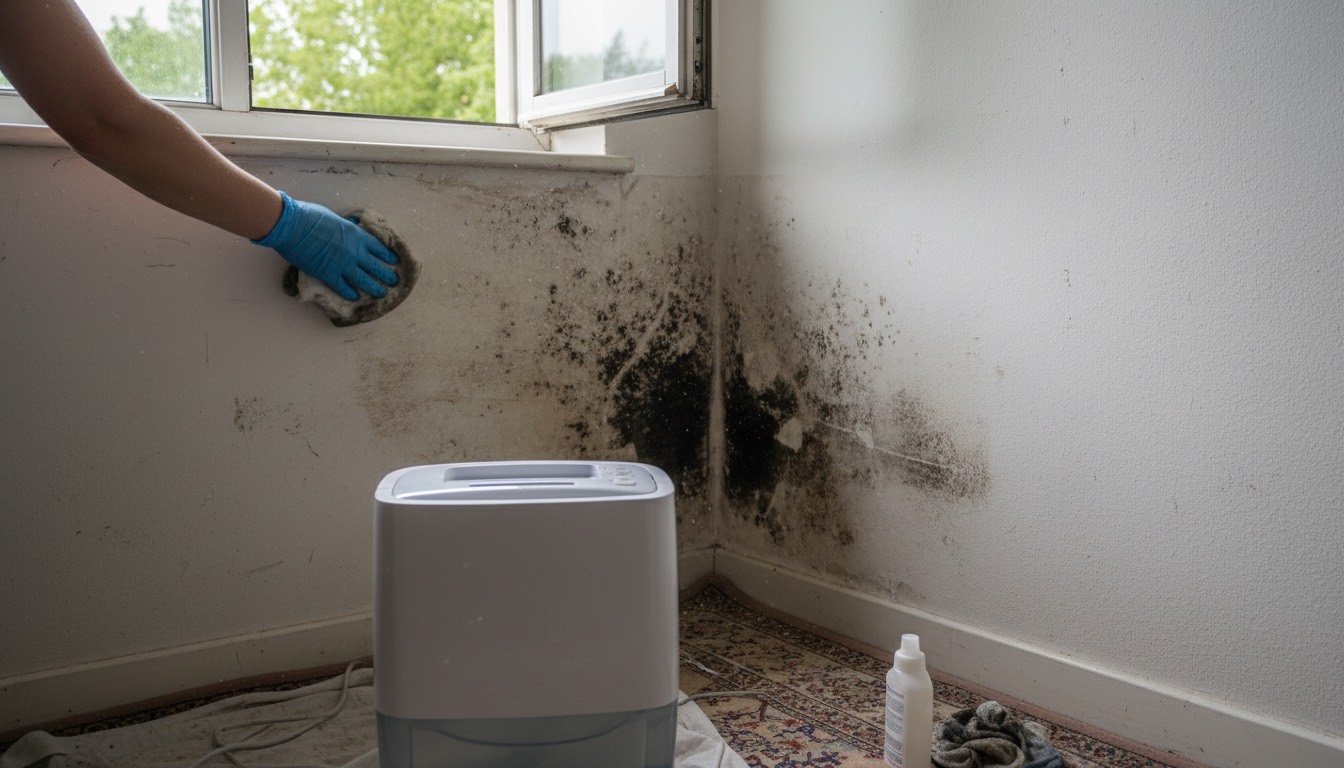
- •Running extractors properly and treating early damp and mould — £0 to £40, against £150 to £400 to strip and repaint a bathroom ceiling.
Labour versus materials: where the money goes
This is the part most cost guides skip, and it changes how you read every quote. Maintenance is a purchase of labour and access, not of stuff. On installation work materials are often 40 to 60 per cent of the bill; on maintenance they are 5 to 20 per cent. You are paying for time, a ladder, insurance and a willingness to go up there in the rain.
Typical splits: gutter clearing is close to 100 per cent labour; a boiler service around 95 per cent; repointing runs 15 per cent materials to 85 per cent labour; loft insulation flips it, at roughly 60 per cent materials. Rates to check against: handyman £35 to £55 an hour or £180 to £280 a day, plumber £50 to £90 an hour, roofer £250 to £400 a day for two. Our annual maintenance cost guide sets totals against property age.
Reading a quote: reasonable versus suspect
Because maintenance is a labour purchase, a fair quote should read as hours times rate, plus a modest materials line, plus VAT separately. If you cannot reconstruct it that way, keep asking.
- •Reasonable: a written breakdown with hours, day rate, materials and access equipment; a Gas Safe number you can check on the public register, or NICEIC/NAPIT registration for electrics.
- •Reasonable: a quote that declines part of the job. Someone saying only the rear downpipe needs attention is usually honest — it costs them money to say it.
- •Suspect: a free inspection producing a four-figure remedial quote on the doorstep the same day. That is standard in the damp-proofing trade, where the surveyor is paid to sell chemical injection. An independent survey costs £200 to £400.
- •Suspect: no hours in the price, pressure to sign today, a large cash deposit before materials are ordered, or a two-hour minimum never mentioned on the phone.
DIY or pay someone
Plenty of this is safely yours: gutters from a stabilised ladder, bleeding radiators, re-siliconing a bath, lagging pipes, descaling appliances, topping up loft insulation. A month-by-month maintenance checklist turns the lot into forty minutes a fortnight rather than a lost October weekend.
Some of it is not yours, regardless of confidence. Gas work must be done by a Gas Safe registered engineer — otherwise it is a criminal offence and voids both warranty and, quite possibly, your buildings insurance. Most consumer unit and new-circuit work in England and Wales is notifiable under Part P. Anything on a pitched roof or a three-storey elevation belongs to someone with a tower and the insurance to match.
Questions we get asked
How much should I set aside? For a property built after 1990, budget roughly 1 per cent of its value a year; pre-1940, closer to 1.5 to 2 per cent. On a £280,000 Victorian terrace that is about £4,000 — mostly banked in quiet years and spent in one bad one.
Is boiler cover worth it? At £15 to £30 a month it costs £180 to £360 a year against a £2,500 replacement every 12 to 15 years — near break-even, and mainly buying a fast winter call-out. Read the exclusions: many refuse claims on older systems.
What returns the most? Keeping water moving away from the building. Gutters, downpipes, gullies and ground levels account for most expensive UK domestic repairs. Two hours in November and two in March is the cheapest premium going. If you want those hours structured, the September home reset walks through the autumn half of that routine job by job.
Found this useful?
There's plenty more — hundreds of guides and honestly-tested product reviews for every corner of your home.
Browse All Guides