Heating & Cooling · 6 min read · 11 August 2026
How to Keep Your House Cool in a Heatwave (Without Air Conditioning)
UK homes are built to trap heat. This hour-by-hour checklist covers the morning lockdown, appliance discipline and the night purge, with honest prices for the shading upgrades that genuinely work.
By the Nims Casa editorial team — written from professional cleaning experience and checked against our editorial standards.
Most UK homes were designed for one job: holding heat in. Cavity walls, thick loft insulation and sealed double glazing are brilliant in January and a liability at 34°C in August. Once a heatwave settles in, a typical semi behaves like a storage heater — it soaks up warmth all day and releases it into your bedroom at 11pm.
The fix is a timing game, not a spending game. Nearly everything on this checklist is free or under £20, and the upgrades that cost real money are priced below with labour and materials split, so you can judge a quote. Work through it in order — the sequence matters more than any single task.
Before 9am: The Morning Lockdown
Solar gain through glass is the biggest heat source in most homes — a south-facing bay window can push a room up 2–3°C by midday. The window for stopping it closes early: once the sun is on the glass, the heat is already indoors.
- •Close curtains and blinds on east- and south-facing windows by 9am (5 minutes, free). Pale or lined fabric works best; dark unlined curtains re-radiate heat into the room.
- •Shut every window once the outside temperature passes the inside temperature — typically 10–11am in a heatwave. Opening a window at 2pm 'for a breeze' pumps 32°C air into a 25°C room.
- •Move west-facing shading into place by 1pm; those rooms take their hit from mid-afternoon onwards.
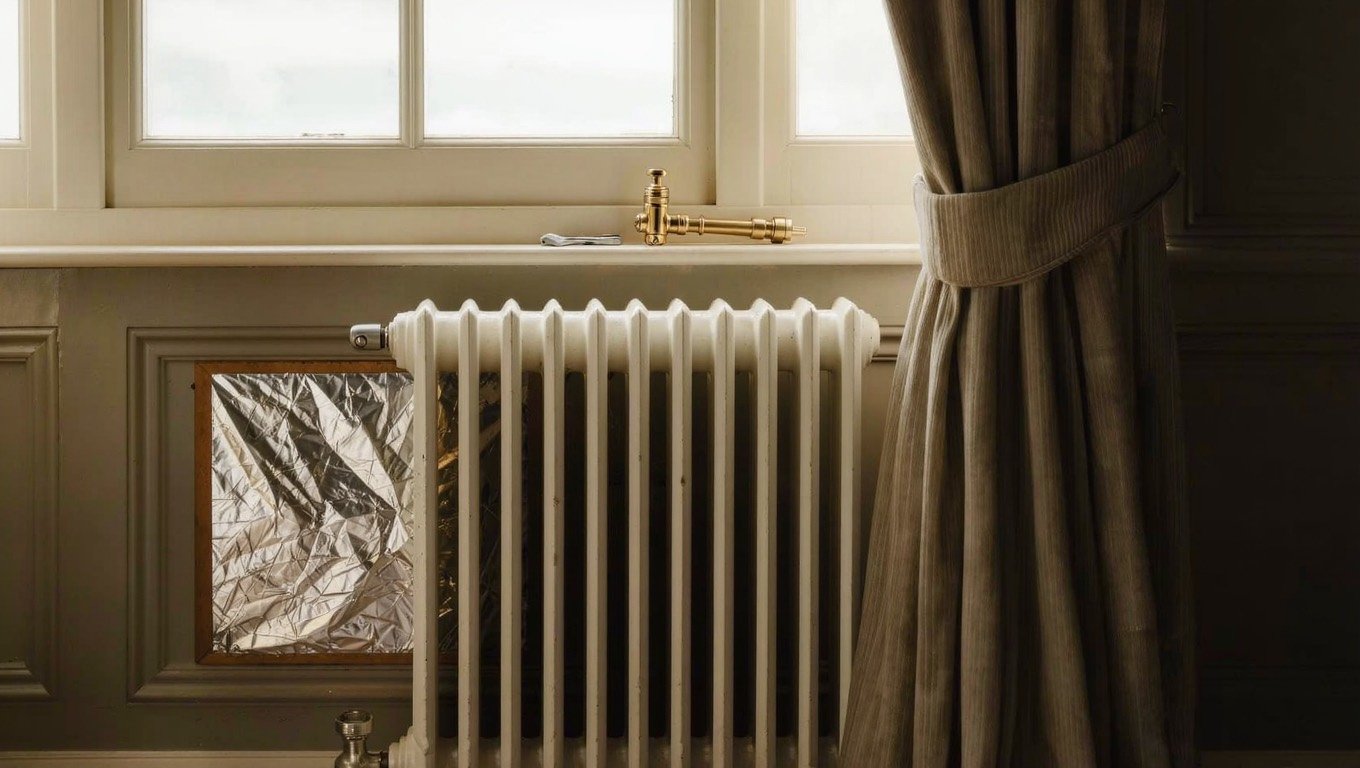
- •If your curtains are thin, clip a £3 foil emergency blanket into the window recess, shiny side out — ugly, but effective.
Daytime: Stop Making Heat Indoors
Everything with a plug is a small radiator; a busy kitchen's appliances can add 1–2°C on their own.
Humidity is half the misery: 26°C at 70% humidity feels worse than 29°C in dry air. If your home runs damp, a dehumidifier set to 50–55% makes the same temperature noticeably more bearable — £120–£220 for a decent compressor model, and 5p–8p an hour to run. It's also a sensible week to clean your curtains and blinds; dusty fabric holds heat and odour in warm weather.
- •Skip the oven. Thirty minutes at 200°C dumps roughly 1.5kWh of heat into the kitchen — cold meals, the microwave or the barbecue outside instead.
- •Run the dishwasher and washing machine after 9pm on delay start and line-dry everything; a tumble dryer cycle releases 2–4kWh of warm, humid air.
- •Swap any remaining halogen bulbs for LEDs (£2–£4 each). A 50W halogen runs at over 200°C; the LED equivalent barely warms.
- •Shut down gaming PCs and consoles when idle; under load a rig is a 300–500W fan heater.
From 9pm: The Night Purge
The purge is where you claw the temperature back. The moment outside air drops below inside — usually 8:30–9:30pm in a UK heatwave; check a thermometer rather than guessing — the house becomes coolable until roughly 7am.
If you have a ceiling fan, make sure it is spinning the right way for summer — anticlockwise, pushing air down. It won't lower the actual temperature, but the perceived 3–4°C difference costs about 1p an hour.
- •Open windows on opposite sides of the house to set up cross-flow; a single open window barely moves air.
- •On sash windows, open the top sash 15cm and the bottom sash 15cm — hot air exits at the top while cooler air feeds in below.
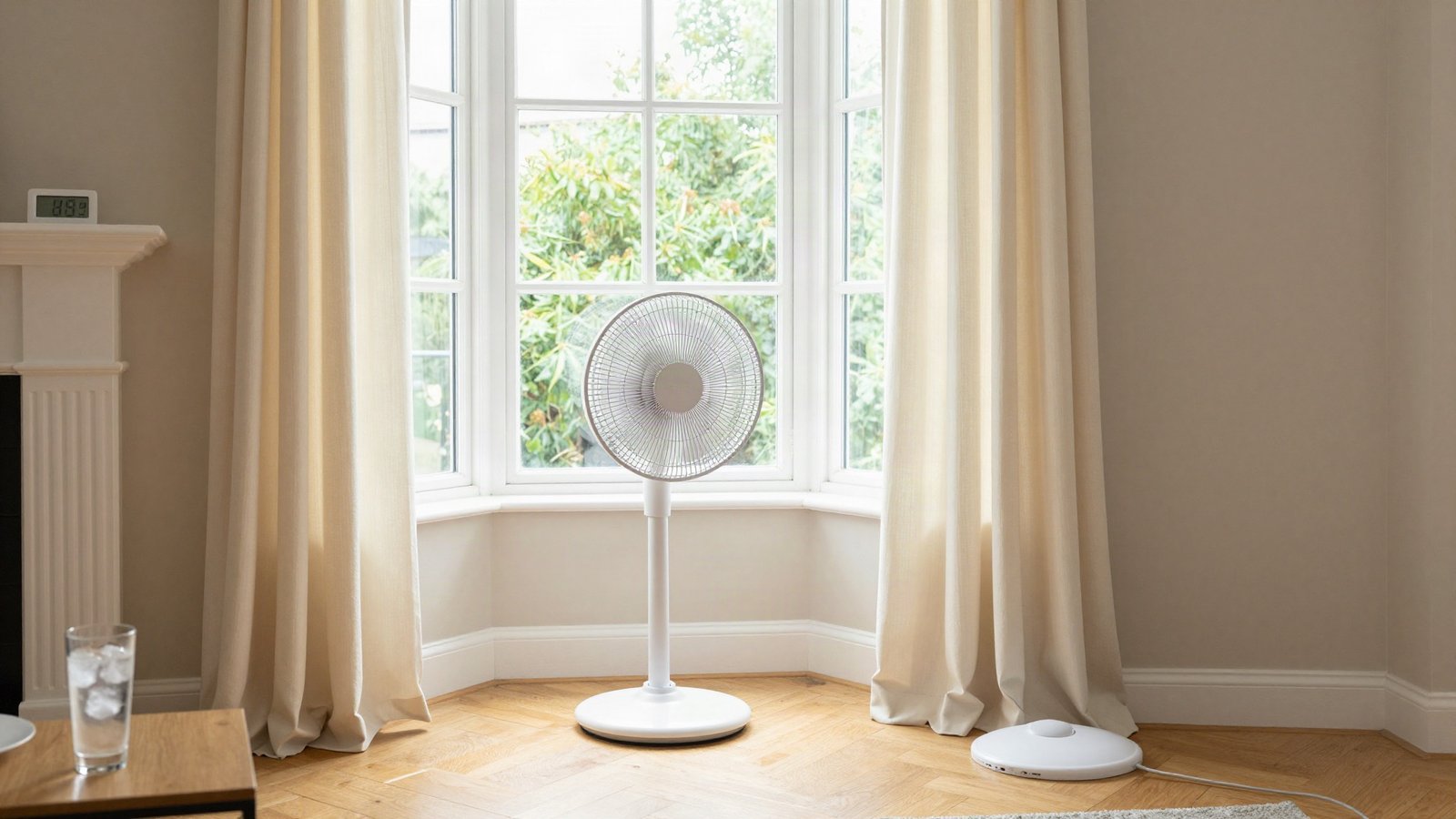
- •Point a pedestal fan out of an upstairs window to exhaust hot air. It shifts more heat than pointing it at yourself.
- •Open internal doors and the loft hatch so rising warm air has somewhere to go.
- •Only leave accessible windows open where sash stops or restrictors (£5–£10) make them secure; trickle vents can stay open everywhere.
Shading: Internal vs External, and Honest Costs
External shading stops heat before it reaches the glass and blocks 80–90% of solar gain; internal curtains and blinds manage 30–45% because the heat is already through the window. That gap is why southern Europe fits shutters, and it's the upgrade most UK homes never consider.
- •Reflective window film: £6–£12 per square metre, DIY, about 30 minutes per window. The cheapest real fix for one hot south-facing room.
- •Blackout or thermal-lined curtains: £25–£70 a pair from the usual high-street retailers; hanging them is a ten-minute DIY job.
- •Manual awning over a patio door: £150–£450 in materials plus £100–£250 fitting. Materials should be roughly two-thirds of a fair quote — if labour exceeds half the total for a two-hour bracket-and-bolt job, ask why.
- •External roller shutters: £350–£900 per window supplied and fitted, of which labour is typically £120–£180. Any installer who refuses to split materials from labour on the quote is the one to walk away from.
The Heatwave Kit (Under £60 All-In)
Five items cover almost every task above; buy before the forecast turns, because fans sell out by day two of any hot spell.
- •Digital indoor/outdoor thermometer (£8–£12) — the entire strategy depends on knowing which side of the glass is hotter.
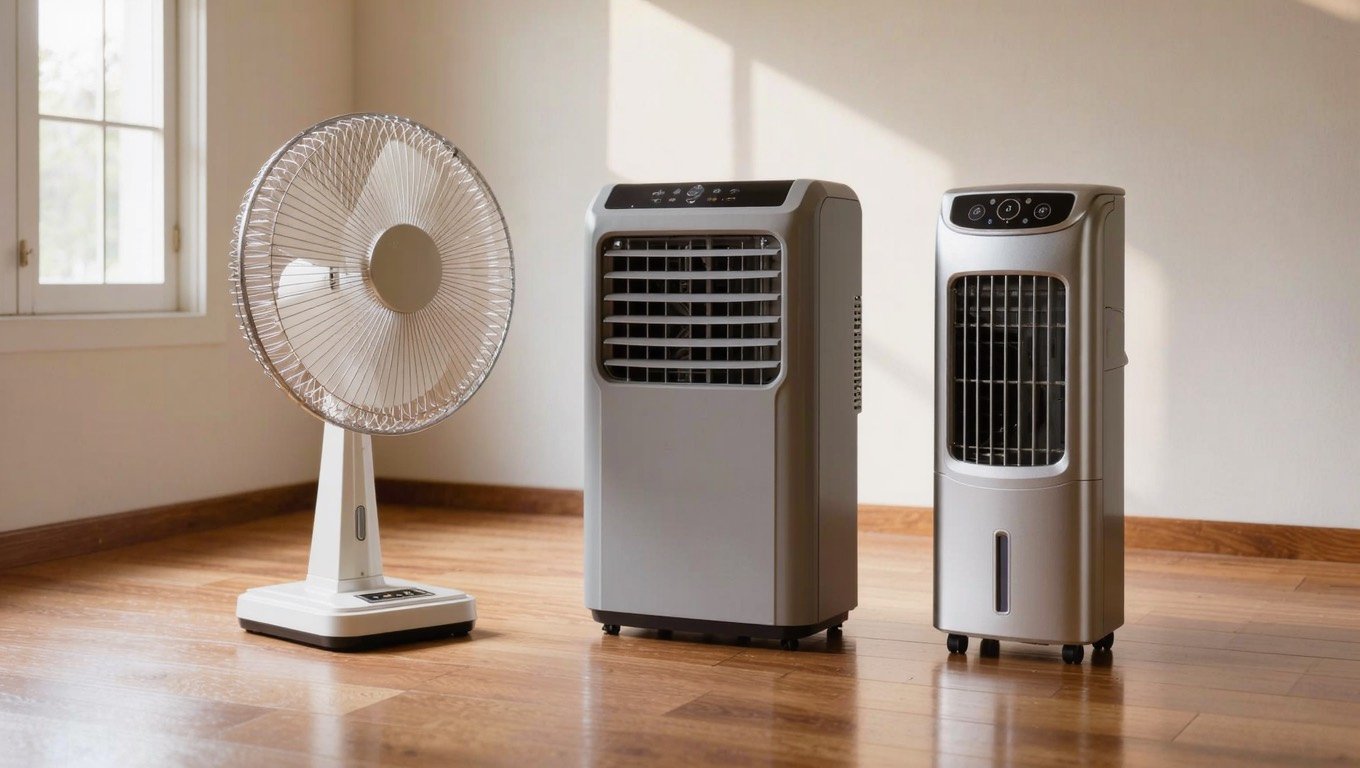
- •Two pedestal or box fans (£15–£30 each) — one to exhaust air out, one to drive cross-flow.
- •Reflective film or a foil emergency blanket (£3–£12) for the worst-offending window.
- •Window restrictors or sash stops (£5–£10) so you can ventilate securely overnight.
- •A hot water bottle — filled with cold water and fridge-chilled for the pillow end.
Longer-Term Fixes Worth Pricing Up
Loft insulation works both ways. The same 270mm of mineral wool that holds warmth in through January keeps the 45–50°C roof space out of your bedrooms in August. Topping up from 100mm costs £150–£250 in materials for a typical three-bed semi and £400–£600 professionally installed, so the labour share is £250–£350 — fair for a day in a hot loft, though it's a job you can do yourself if you can stand the itching. The same applies to draught-proofing: gaps that leak heat out in winter leak hot air in during a heatwave, and £40 of brush strip and sealant closes most of them.
Be honest about portable air conditioning. A decent unit costs £250–£400 and draws about 1kW — 25p–30p an hour — but a cheap one venting its hose through a half-open window feeds hot air straight back in. If a supplier quotes more than £150 to fit a through-wall vent kit, get a second price; it is under two hours' work. The whole-house items on a home energy efficiency checklist do double duty in both seasons.
Short on Time? Do These Three
If the heatwave has already arrived and you have ten minutes, this is the order of priority.
- •Tonight: purge from 9pm with cross-flow and a fan exhausting out of an upstairs window, then close everything at 7am.
- •Tomorrow, 9am: curtains and blinds shut on the sunny side, every window closed before the outside air overtakes the inside.
- •This weekend: film the worst window and fit the thermometer, so from Monday you're working from data rather than guesswork.
- •One boundary: if bedrooms stay above 26°C overnight for days and someone elderly or unwell lives with you, stop optimising and spend — one properly vented portable AC in that bedroom is a health measure, not a luxury.
Found this useful?
There's plenty more — hundreds of guides and honestly-tested product reviews for every corner of your home.
Browse All Guides