Pest Control · 6 min read · 13 June 2026
How to Keep Spiders Out (Without Killing the Useful Ones)
September's giant house spiders aren't moving in — they were born in your house and just hit dating age. What genuinely reduces them, minus the folklore.
By the Nims Casa editorial team — written from professional cleaning experience and checked against our editorial standards.
The big spiders sprinting across your lounge each September didn't arrive under the door — most house spiders spend their entire lives inside our homes, and autumn is when mature males abandon their webs to go looking for females. You're not being invaded; you're hosting a short, frantic dating season that typically peaks in September and tails off by mid-October once the males have found a mate or simply run out of road.
None of that makes a fist-sized spider legging it across the carpet at 11pm any less alarming. This guide covers what actually reduces the numbers reaching your rooms — sealing, decluttering, lighting, and the outdoor habitat that feeds the whole population — plus an honest audit of the folklore that gets recycled every autumn, and when heavy activity signals a different pest problem worth calling a professional for.
Why Autumn Brings the Big Spiders Indoors
The species behind most of the drama is the giant house spider, a genuinely British animal that has lived alongside us for centuries. Females build funnel-shaped webs in quiet corners — behind furniture, in cellars, under stairs — and can survive well over a year indoors without ever being spotted. Males live the same hidden life until late summer, when they mature and start wandering in search of a mate, which is why sightings cluster so tightly around September.
This matters for prevention because it changes the target. You're not trying to stop an outdoor population moving in; you're trying to reduce a population that's already resident, mostly by removing the places it can hide undisturbed and the insects it depends on for food.
Seal the Entry Points: A Room-by-Room Method
- •Check external doors first: fit brush draught strips (£8–£18 a door) along the base — they block the gap spiders and insects use most, and cut draughts as a bonus, much like the fixes in a wider draught-proofing routine.
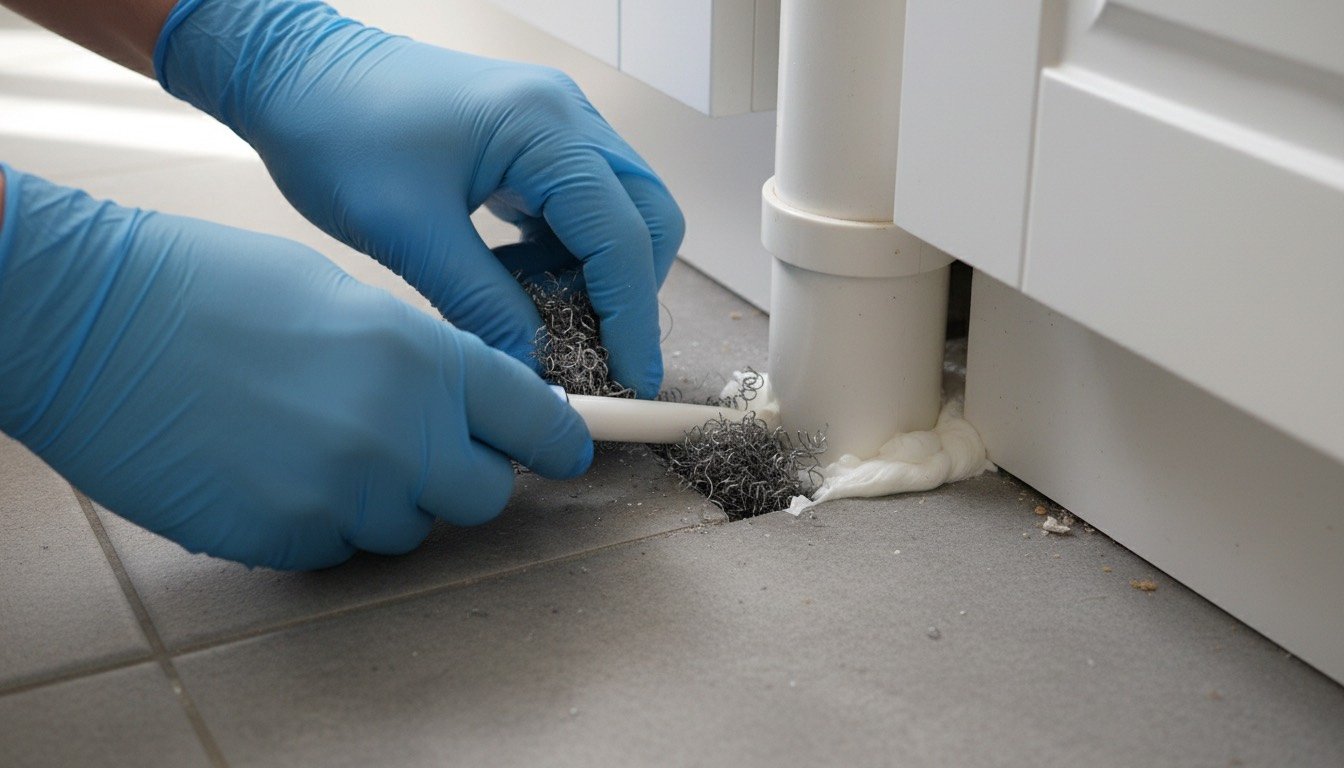
- •Fill gaps around pipework and cables where they pass through external walls with expanding foam or fire-rated sealant (£5–£9 a tube); these unnoticed service holes are a bigger entry route than most people expect.
- •Repair torn window and door mesh and add secondary brush seals to older timber-framed windows (£10–£20 per window) — Victorian and Edwardian frames are usually the worst offenders.
- •Check airbrick and vent covers for missing or bent mesh (replacement covers cost £4–£10); leave the vents open, just keep the mesh intact rather than blocking them entirely.
- •Seal any gaps around the garage door threshold and up-and-over door edges — garages are the single most common indoor breeding ground because they're rarely disturbed.
Declutter and Clean to Remove Spider Cover
- •Swap open cardboard under-bed storage for sealed plastic boxes (£4–£8 each); spiders and their prey both favour undisturbed cardboard over smooth, sealed plastic.
- •Vacuum corners, ceiling lines, behind sofas and under stairs weekly through August and September — this removes webs, egg sacs and the insect prey that supports the whole population, not just the one spider you can see.
- •Clear garage and shed corners of stacked boxes and lift anything stored directly on the floor onto shelving. It's the same discipline that helps keep mice from moving in over winter, and it removes the cover spiders rely on most.
- •Check behind and underneath large furniture every few weeks rather than only at spring clean — most sightings happen where nobody has looked in months.
Manage Outdoor Lighting and Garden Habitat
Porch and security lights don't attract spiders directly, but they attract the moths, flies and midges spiders eat, and a well-lit doorway becomes an unintentional buffet. Switching to warm-toned or motion-activated lighting, and angling fittings away from door frames and window ledges, cuts the insect draw noticeably without leaving the doorstep unlit for safety.
The same logic applies to bins, compost heaps and any standing water nearby, all breeding grounds for the flies and gnats that keep the food chain going. Keeping bin lids shut and dealing with a fruit fly problem promptly does more for spider numbers than any spray aimed at the spiders themselves. Overgrown ivy and log piles against external walls are also worth pulling back, since both give outdoor spiders a route onto brickwork and gaps in the render.
Common Mistakes That Undo Your Spider-Proofing
- •Spraying insecticide indiscriminately: broad sprays kill the flies and moths spiders eat, which can push hungry spiders further into the house, and most UK spider species aren't affected by household fly sprays anyway.
- •Blocking the airbricks along with the gaps: cutting off ventilation to keep spiders out is a common overcorrection that traps moisture and invites a costlier problem — see our guide to getting rid of damp and mould before sealing anything meant to breathe.
- •Treating it as a one-off job: a single fill of the gaps in April won't stop the September wanderers if the garage has refilled with boxes by August.
- •Ignoring the underlying pest problem: heavy, persistent activity in one room is sometimes a bigger insect population feeding the spiders, not a spider problem alone — worth a proper pest-proofing checklist rather than repeat treatments.
The Folklore Audit: What Doesn't Work
Conkers are the one everyone's grandmother swears by, and they're chemically inert — spiders walk straight over them without a second thought; the myth likely began from horse chestnuts ripening in the same weeks as the autumn spider surge. Peppermint oil is a genuine but extremely mild deterrent that fades within a day or two, mostly leaving your skirting boards smelling of toothpaste. Ultrasonic plug-in deterrents still have no robust independent evidence behind them despite years on the market.
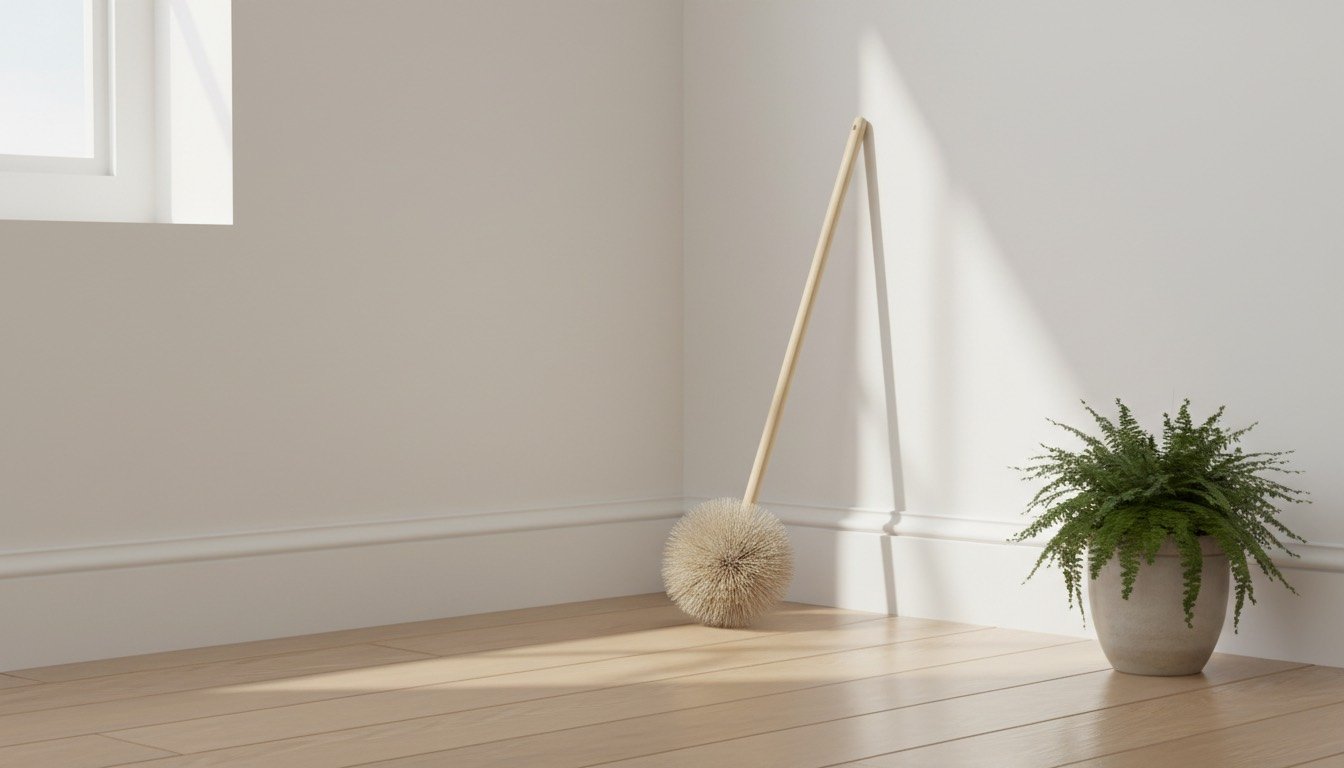
Even the newer viral fixes don't hold up much better — the trend for hanging mini disco balls in the garden as a pest deterrent has the same problem as conkers: entertaining, largely untested, no substitute for sealing and decluttering. Spend the money on a cobweb brush (£4–£7) and a tube of sealant instead — cheaper, and it actually works.
When to Call a Pest Control Professional
Most spider activity, however dramatic it looks at 11pm, doesn't need professional treatment — sealing, decluttering and a bit of patience through October solve the vast majority of cases. It's worth calling a pest professional if you're seeing consistent activity outside the autumn mating season, unusually large numbers in one room, or signs of a different pest riding along with them, since spiders often turn up wherever flies, moths or rodents already are.
A general pest inspection call-out typically runs £60–£120 depending on area and job, and most reputable firms will assess the actual insect population before recommending any treatment rather than spraying for spiders directly.
Frequently asked questions
**Are house spiders dangerous?** No UK house spider poses a genuine risk to a healthy adult; even the largest species, the giant house spider, can't break human skin with a bite and has no interest in trying. The alarm is entirely about size and speed, not danger.
**Why do spiders always run at me instead of away?** They're not aiming for you — a fast-moving spider crossing open floor is trying to reach cover as quickly as possible, and a moving human is just an obstacle in the way rather than a target.
**Will getting rid of spiders make my fly or moth problem worse?** It can. Spiders are unpaid pest control for flies, silverfish and clothes moths, so sealing entry points and cleaning is a better long-term strategy than trying to eliminate every spider in the house.
**Do spiders come back if you move them outside?** No — the glass-and-card method genuinely relocates them, and an outdoor-released house spider won't find its way back through a sealed gap. It may build a new web nearby if there's cover and food available, which is where decluttering does the real work.
**Does a clean house really have fewer spiders?** Yes, largely because cleaning removes the insects and undisturbed hiding spots spiders need, not because dust itself repels them. A regularly decluttered home has less to offer both the prey and the predator that follows it.
Found this useful?
There's plenty more — hundreds of guides and honestly-tested product reviews for every corner of your home.
Browse All Guides